- Smart devices may show ads post-purchase due to software updates.
- Companies like Samsung and Stellantis have faced backlash for inserting ads into appliances and vehicles.
- Users can often turn off ad features but must navigate complex settings.
- The trend raises concerns about consumer rights and product ownership.
The rise of smart technologies has led to a growing tech conundrum: why do ads appear on devices we've already purchased? Consumers are increasingly expressing their frustration over products that shift from personal to promotional platforms after updates. Whether it's a Samsung Family Hub refrigerator displaying ads or an infotainment system in a Stellantis vehicle, the question remains: do we still own our devices?
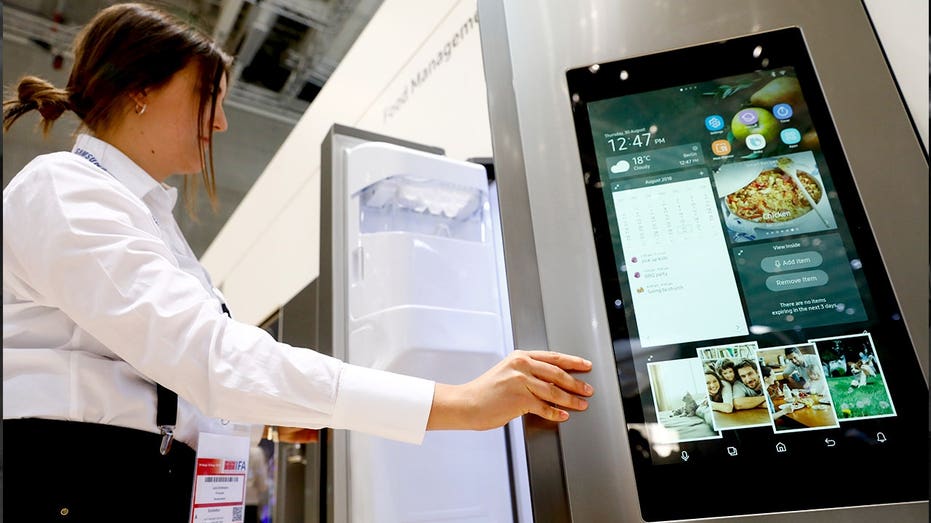
This issue has become prevalent as manufacturers implement updates that introduce features, including advertisements, often without explicit user consent. Samsung's Family Hub refrigerators are sold as convenient kitchen hubs, providing functionalities like weather updates and grocery lists. However, with recent software updates, users began to notice advertisements filling up the once-pristine touch screens. A representative from Samsung acknowledged this transition, explaining that users could disable the ad widget without sacrificing other functionalities.
Similarly, Stellantis, the automaker behind brands like Jeep and Chrysler, had integrated promotional messages into its vehicles. Although the company claims this system was primarily designed for important owner communication, the intrusion of ads transformed the driving experience for many users. Stellantis assured owners that promotional messages ceased in mid-fall 2025, but the dialogue around user agency remains important.
Promotional messaging is not confined to household appliances or vehicles. Windows 11 also introduces advertisement-like content in the form of suggestions and offers on commonly used screens. Alert notifications can often appear urgent yet redirect users back to Microsoft services, blurring the lines of genuine alertness and advertising.
These shifts reaffirm a chilling reality in modern consumer electronics—the notion that products can evolve into advertising platforms post-purchase. While security and functionality updates are critical, the insertion of bespoke ads transforms established user expectations and diminishes the initial value of the purchase.
It's essential for prospective buyers to inquire about the software policies of any smart device before purchase. Consumers must assess how often ads are integrated into their devices and how much control they have over them after the selection is made. It's paramount to explore all settings thoroughly before settling into what usually defaults as the user experience.
Why This Matters
The growing trend of integrating advertisements into products purchased can feel disconcerting for consumers. As companies continue to find new revenue streams after sales, understanding this dynamic is crucial for informing purchasing decisions and advocating for user rights.