Key Takeaways
- Iniruo Wills demands concrete Niger Delta cleanup plans from all 2027 presidential and governorship candidates.
- The warning follows Peter Obi's campaign agenda launch, which omitted any explicit regional cleanup commitment.
- Wills launches a 'No Cleanup, No Vote' civil society campaign across nine oil-producing states.
A Stark Warning for 2027 Candidates
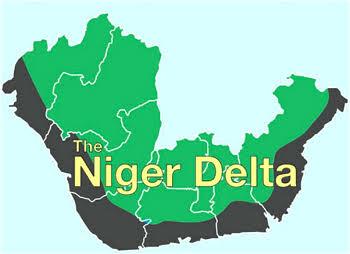
Veteran governance and environmental rights advocate Iniruo Wills has issued a direct challenge to presidential and governorship aspirants ahead of Nigeria's 2027 general elections. Wills, a former two-time Bayelsa State Commissioner for Information and Environment, insists that any candidate who fails to present clear and concrete plans for addressing decades of environmental pollution in the Niger Delta should expect to lose the region's votes.
Speaking with Vanguard in Yenagoa, Wills responded to the recent unveiling of Peter Obi's campaign agenda under the Nigeria Democratic Congress (NDC). The platform prioritises security, economic recovery, healthcare, education and national unity, but makes no explicit reference to a comprehensive Niger Delta cleanup. Wills described that omission as a major oversight capable of undermining support for the candidate in the region.
“There is obviously no Niger Deltan in PO's strategy team,” he said. “Any presidential candidate that has no explicit concrete plan for the region, including a Niger Delta-wide environmental cleanup, should be rejected by the region.”
Listening First, Manifesto Later
The environmental advocate urged Obi's close associates to draw the candidate's attention to regional demands. He cautioned against superficial promises. “He cannot tell us he has been touring the country for six to eight years now and does not know the cardinal demands of some of the regions. No more papaye in our elections,” Wills said, using the local expression to criticise shallow campaign slogans.
Wills called on all principal candidates to adopt genuine listening campaigns before finalising their manifestoes. “Principal candidates, presidential and gubernatorial, should learn to do a listening campaign, or real and felt people or community-based consultations, before they roll out their manifestoes on a roadshow,” he added.
The challenge extends beyond Obi. Wills directed the same demand at the All Progressives Congress (APC), African Democratic Congress (ADC) and Peoples Democratic Party (PDP), urging them to release specific, credible plans for cleaning up polluted communities. “Only such candidates should be voted for in 2027. No Niger Delta Cleanup, no vote for you or your party,” he declared.
Civil Society Campaign Challenge
Wills framed the demand as a “Civil Society Campaign Challenge for 2027” under the slogan “No Cleanup, No Vote.” He called on traditional rulers, civil society organisations and community leaders to mobilise voters across the nine oil-producing states behind candidates who make credible environmental commitments.
Describing the cumulative impact of oil pollution, gas flaring and ecological degradation as “ecocide,” Wills argued that the scale and duration of the damage demand stronger political accountability. He cited the Bayelsa State Oil and Environmental Commission report, which characterised the state's environmental condition as “environmental genocide.”
“It's in our hands. Let's bargain with our votes and stop complaining afterwards,” Wills said.
Why This Matters
The Niger Delta's environmental crisis is not a new issue, but this ultimatum signals a growing determination to translate decades of suffering into electoral leverage. With voters urged to make cleanup commitments a condition of support, the 2027 contest could finally force environmental restitution onto the centre stage of Nigerian politics.