Key Takeaways
- FCT Minister Nyesom Wike's 'Rainbow Coalition' initiative, aimed at securing President Bola Tinubu's 2027 re-election, has caused significant friction within the ruling All Progressives Congress (APC).
- APC governors have openly rejected Wike's cross-party proposal, with Imo State Governor Hope Uzodimma stating they would not support any arrangement that could undermine the party.
- Wike, in turn, described the governors as 'politically lazy' for their stance, escalating the public disagreement.
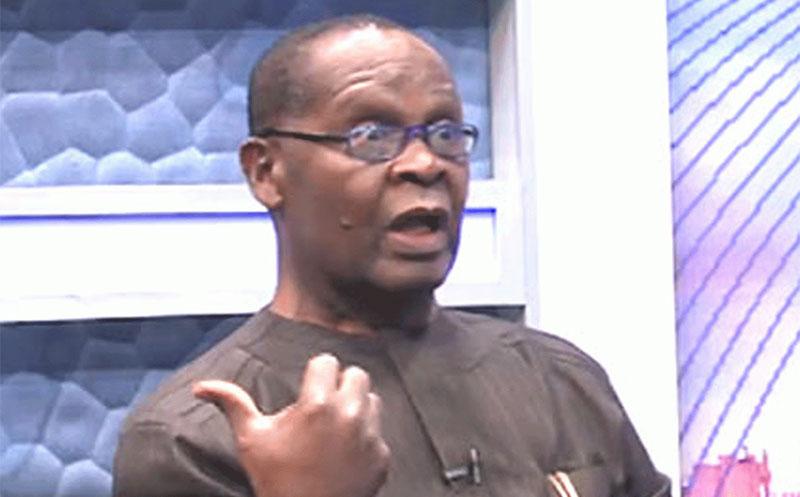
- APC chieftain Joe Igbokwe has intervened, acknowledging Wike's political influence but urging him to consult and explain his intentions to the governors to resolve the dispute amicably.
- The internal party discord highlights the complexities of managing diverse political interests and alliances ahead of a crucial re-election campaign.
Wike's 'Rainbow Coalition' Faces APC Governors' Pushback
A proposed 'Rainbow Coalition' by the Federal Capital Territory (FCT) Minister, Nyesom Wike, designed to galvanize cross-party support for President Bola Tinubu's re-election bid in 2027, has ignited a significant internal dispute within the All Progressives Congress (APC). The initiative, intended to broaden President Tinubu's political base, has instead met with strong resistance from the party's governors, leading to a public exchange of words that threatens party cohesion.
The Genesis of Disagreement
The controversy began when Minister Wike unveiled his vision for a broad-based coalition, suggesting that securing President Tinubu's second term required reaching beyond traditional party lines. However, this proposal was swiftly rejected by the APC governors. The chairman of the APC Progressive Governors’ Forum and Imo State Governor, Hope Uzodimma, articulated the governors' collective stance, firmly stating that they would not endorse any political arrangement perceived to undermine the APC or President Tinubu's re-election prospects. Uzodimma emphasized the importance of party loyalty and structure in achieving electoral success.
In response to the governors' rejection, Minister Wike reportedly lashed out, characterizing them as 'politically lazy' for their apparent unwillingness to embrace a more expansive political strategy. This public retort further exacerbated tensions, transforming what might have been an internal policy discussion into a high-profile political disagreement playing out in the public sphere.
Igbokwe's Intervention: A Call for Strategic Dialogue
Amidst the escalating friction, Joe Igbokwe, a respected chieftain of the APC, has stepped forward to mediate, urging Minister Wike to engage directly with the party's governors. Igbokwe acknowledged Wike's considerable political clout, describing him as a "critical stakeholder" whose influence and command over followers cannot be easily dismissed. "Wike is a critical stakeholder? You can ignore him to your own peril. He has a command. He has the followers," Igbokwe reportedly stated, underscoring the minister's political weight.
However, while recognizing Wike's importance, Igbokwe also questioned the timing and approach of the 'Rainbow Coalition' initiative. He stressed the imperative for Wike to consult extensively with the APC governors and transparently explain his intentions behind the cross-party mobilization. "Coming at this time, to put this (Rainbow Coalition) on the table, it's not… he has to listen to majority, sit down with the governors and explain," Igbokwe advised. He advocated for resolving the disagreement through constructive conversations rather than continued public exchanges, emphasizing that "No man is an Island. Explain to your colleagues what you are trying to do."
Navigating Cross-Party Alliances in Nigerian Politics
The current impasse highlights the delicate balance between expanding political alliances and maintaining party integrity, a recurring theme in Nigerian politics. Governors, as chief executives of their respective states and leaders of the party's grassroots structures, wield immense power in electoral mobilization. Their buy-in is often crucial for any successful national campaign. While cross-party coalitions can broaden appeal and garner diverse support, they also carry the inherent risk of diluting party identity, creating internal dissent, and potentially weakening the core party structure if not managed with extreme caution and consensus.
Historically, Nigerian political landscape has seen various alliances and defections, particularly in the lead-up to presidential elections. However, such moves are typically preceded by extensive backroom negotiations and a clear understanding of roles and benefits. Wike's public declaration, followed by a perceived lack of prior consultation with key party figures, appears to have triggered the governors' apprehension, who are keen to protect the APC's dominance and ensure a unified front for President Tinubu's re-election.
Why This Matters
The ongoing disagreement between FCT Minister Nyesom Wike and APC governors over the 'Rainbow Coalition' is more than a mere internal squabble; it represents a critical test of the ruling party's unity and strategic direction ahead of the 2027 general elections. How this conflict is resolved will significantly impact the APC's ability to present a cohesive front, mobilize its base effectively, and ultimately shape President Tinubu's path to a potential second term.