Key Takeaways
- Nigeria needs a National Renewable Energy Industrialization Roadmap to boost its clean energy sector.
- Stakeholders urge the government to support local manufacturing and expand access to affordable solar energy.
- A phased industrialization strategy is recommended to simultaneously expand renewable energy access and build domestic manufacturing capacity.
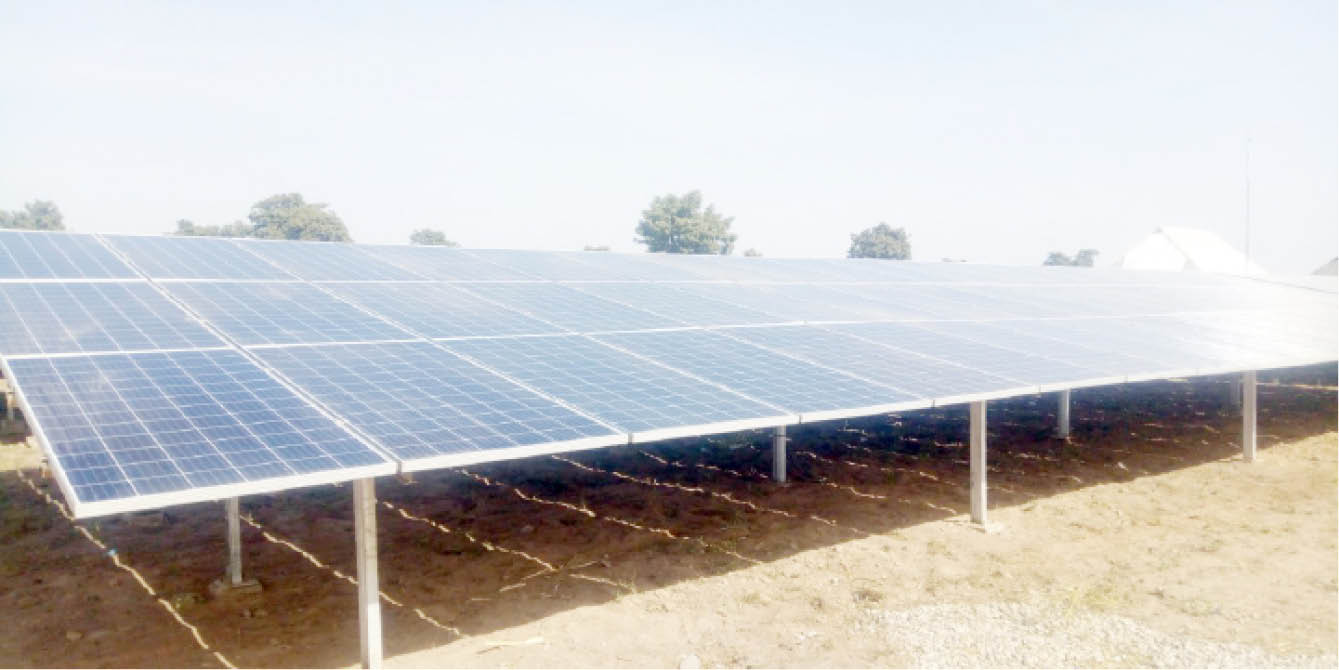
Stakeholders in the renewable energy industry have emphatically urged the Federal Government to develop a National Renewable Energy Industrialization Roadmap. This move is aimed at strengthening Nigeria’s clean energy sector while supporting local manufacturing and expanding access to affordable solar energy.
The call was made at the Kano Solar Dialogue 2026, which was jointly organized by the Centre for Renewable Energy and Sustainability Transition (CREST) and the Global Initiative for Food Security and Ecosystem Preservation (GIFSEP) under the Solar Power Nigeria Campaign. The Dialogue provided a critical platform for discussions on Nigeria’s growing solar energy sector, local manufacturing opportunities, renewable energy investment, quality standards, and the Federal Government’s proposed policy on restricting the importation of solar panels.
Addressing Energy Poverty
Delivering the keynote address, the Executive Director of GIFSEP, Dr. Michael Terungwa David, highlighted the paradox of Nigeria having abundant energy resources alongside widespread energy poverty. Despite being Africa’s largest economy, millions of Nigerians continue to experience unreliable and inadequate electricity supply, forcing households and businesses to rely heavily on expensive petrol and diesel generators.
Dr. David strongly believes that solar energy offers Nigeria a real opportunity to bridge its electricity access gap by providing clean, affordable, and reliable energy to millions of people who remain underserved by the national grid. However, he cautioned against the immediate implementation of a blanket ban on imported solar panels, arguing that such a policy could undermine the country’s renewable energy transition and worsen energy poverty.
A Phased Industrialization Strategy
Instead, Dr. David advocated for a phased industrialization strategy that would simultaneously expand renewable energy access while building domestic manufacturing capacity. He recommended that government policies should prioritize incentives for local manufacturing and assembly, affordable financing for households and businesses, investment in technical training and research, stronger quality assurance and industry standards, and gradual import substitution rather than an immediate ban.
In conclusion, the development of a National Renewable Energy Industrialization Roadmap is crucial for Nigeria's clean energy sector. By supporting local manufacturing and expanding access to affordable solar energy, the government can help address energy poverty and promote sustainable development.
Why This Matters
This move is significant because it has the potential to transform Nigeria's energy landscape, providing clean and reliable energy to millions of people while supporting local economic growth and development.