Key Takeaways
- Nigerian singer Mr P faces criticism for his children's fluency in French over indigenous Nigerian languages
- He defends his parenting choices, questioning the practical value of speaking native languages
- The debate sparks mixed reactions online, with some arguing for cultural preservation and others supporting parental freedom
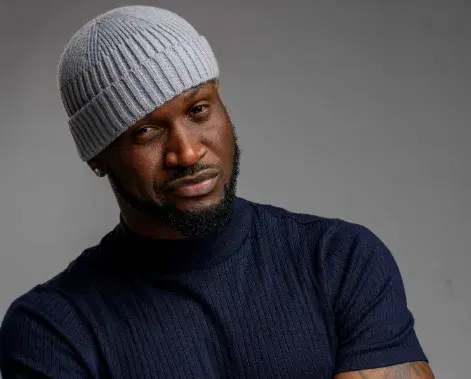
Nigerian singer Peter Okoye, popularly known as Mr P, has found himself at the center of a heated debate over language and cultural identity. The controversy began when Mr P shared a post on social media, expressing his admiration for his children's fluency in French. This prompted a user to ask whether his children could also speak Igbo, an indigenous Nigerian language.
Mr P's response, which questioned the practical value of speaking native languages, sparked a wave of criticism. Many argued that teaching children indigenous languages helps preserve culture and identity, while others maintained that parents should have the freedom to decide how to raise their children. As the criticism mounted, Mr P insisted that language choices within families are personal and should not be subject to public scrutiny.
The Debate Intensifies
Despite the backlash, Mr P remained defiant, urging critics to mind their own business. He argued that English remains Nigeria's official language and questioned the tangible benefits of speaking indigenous languages. Mr P also accused some of his critics of hypocrisy, suggesting that many would gladly relocate abroad and raise their children overseas if given the opportunity.
The debate has sparked a wider conversation about cultural identity and language preservation in Nigeria. While some argue that indigenous languages are essential to Nigerian culture, others believe that parents should have the freedom to choose the languages their children learn. As the debate continues, one thing is clear: the issue of language and cultural identity is complex and multifaceted.
Why This Matters
The debate sparked by Mr P's comments highlights the importance of cultural preservation and the role of language in shaping identity. It also raises questions about the balance between cultural heritage and personal freedom, and whether parents should be free to choose the languages their children learn.