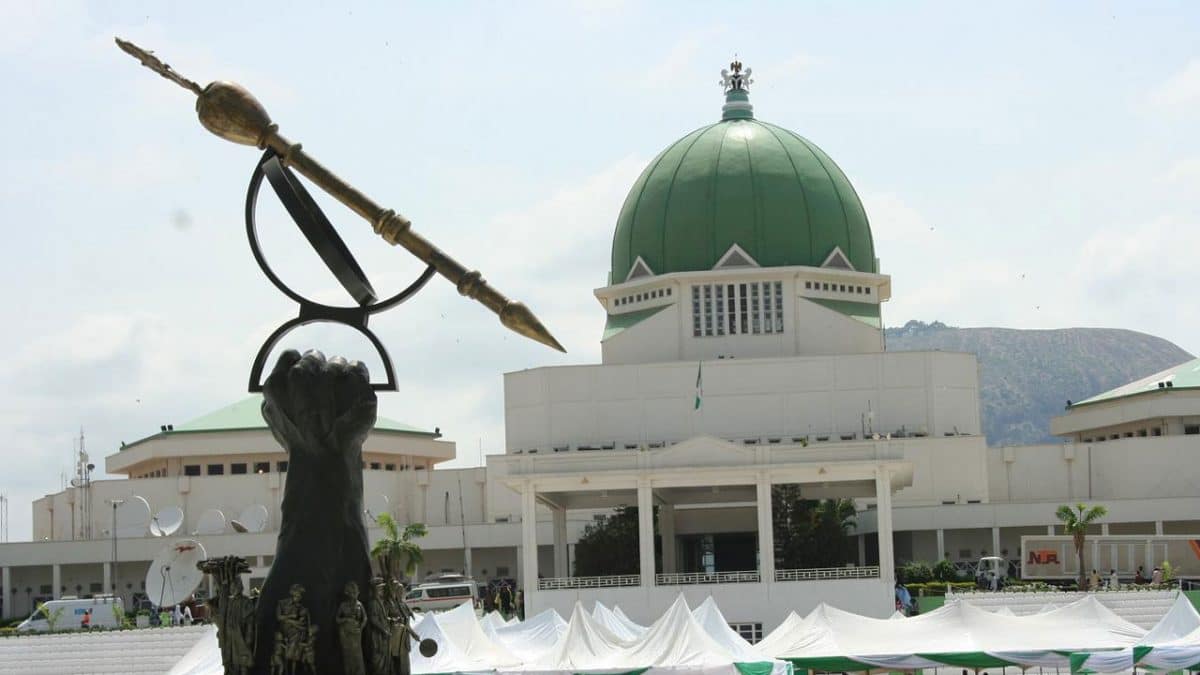
Health workers under the Joint Health Sector Unions (JOHESU) and the Assembly of Healthcare Professional Associations staged a protest yesterday over the proposed Health Sector Executive Bills 2026, a set of legislative proposals currently before the National Assembly.
The demonstration, held at the Unity Fountain in Abuja, signals deep concern within the country’s health workforce about the potential implications of the reforms.
Here is a comprehensive explainer of what the bills are, why they are controversial, and what they could mean for Nigeria’s healthcare system.
What are the Health Sector Executive Bills 2026?
The Health Sector Executive Bills 2026 are a set of proposed laws initiated by the Federal Government aimed at reforming Nigeria’s healthcare system. While the full details of the bills have not been publicly elaborated in the information provided, they have already passed first reading in the Senate, indicating that they are in the early stages of legislative consideration.
Executive bills typically originate from the executive arm of government and are designed to address systemic challenges. In this case, the reforms are expected to touch on governance structures, workforce roles, and operational frameworks within the health sector.
The timing of the bills is significant. Nigeria’s healthcare system is currently facing multiple pressures, including: Shortage of skilled health workers; persistent brain drain; poor infrastructure; funding constraints; and securing labour disputes.
The proposed legislation appears to be an attempt to respond to these challenges, although stakeholders disagree on whether the approach is appropriate.
Why are health workers protesting?
Health workers, under JOHESU, have raised alarm over what they describe as potentially far-reaching consequences of the bills.
According to JOHESU’s National Secretary, Martin Egbanubi, the protest was intended to educate the public and draw attention to how the proposed laws could affect both healthcare professionals and service delivery.
At the heart of the protest are concerns that the bills may: Alter existing professional roles within the health sector; restructure governance in a way that disadvantages certain groups; affect welfare conditions, including salaries and allowances; and reinforce longstanding inequalities among health professionals.
The unions have framed the protest as a critical moment, even describing it as an “existential struggle,” suggesting that they see the reforms as a threat to their professional standing and job security.
Who are the key stakeholders?
Several groups are central to the unfolding debate:
JOHESU represents a coalition of major health worker unions, including: Medical and Health Workers Union of Nigeria and Nigeria Union of Allied Health Professionals
These groups represent a wide range of professionals such as nurses, pharmacists, laboratory scientists, and other allied health workers.
The federal government
As the sponsor of the executive bills, the government is seeking to introduce reforms it likely believes will improve efficiency, coordination, and outcomes in the health sector.
Members of the National Assembly will debate, amend, and decide whether the bills become law.
Ultimately, the reforms will affect healthcare delivery for millions of Nigerians, making public understanding and engagement important.
What are the main concerns about the bills?
Although the exact provisions of the bills are not fully detailed in the available information, the concerns raised by unions fall into several broad categories:
Governance and control
Health workers fear that the reforms could centralise authority or shift control in ways that marginalise certain professional groups. This reflects longstanding tensions over leadership roles in hospitals and health institutions.
Professional hierarchy
Nigeria’s health sector has historically been marked by disputes over perceived dominance by specific professions. The new bills are feared to potentially reinforce or redefine these hierarchies in ways that may not be inclusive.
Welfare and remuneration
Issues such as salary structures, hazard allowances, and working conditions have been recurring sources of conflict. Health workers worry that the proposed laws could negatively impact these areas.
Job security and roles
Changes to how the sector is structured could redefine job descriptions, responsibilities, and career progression pathways, raising concerns among workers.
Why is this happening now?
The emergence of the Health Sector Executive Bills 2026 comes at a critical time for Nigeria’s healthcare system.
Workforce shortages and brain drain
Nigeria continues to lose healthcare professionals to countries offering better pay and working conditions. This has left many hospitals understaffed and overstretched.
Frequent industrial actions
Strikes by health workers have become common, often disrupting services and affecting patient care nationwide.
Need for systemic reform
There is broad agreement that the health sector requires reform. However, there is less consensus on what those reforms should look like and how they should be implemented.
What could the bills change?
If passed into law, the Health Sector Executive Bills 2026 could potentially reshape several aspects of healthcare delivery in Nigeria:
Institutional structure
The bills may redefine how health institutions are governed, including decision-making processes and administrative authority.
They could introduce new frameworks for managing healthcare workers, including recruitment, deployment, and career progression.
The reforms may aim to improve coordination between different arms of the health system, including federal and state institutions.
Ultimately, the goal of such reforms is often to improve efficiency, access, and quality of care—though whether the bills will achieve this remains a subject of debate.
The legislative process will determine the fate of the bills. After the first reading, they will proceed to: Second reading (debate on general principles); committee stage (detailed review and possible amendments); and third reading (final consideration)
Public hearings may also be held, providing an opportunity for stakeholders—including unions, professional bodies, and civil society—to present their views.
The protest suggests that health workers intend to actively influence this process.
What does this mean for Nigerians?
For the average Nigerian, the debate over the Health Sector Executive Bills 2026 is not just a labour issue, but it is about the future of healthcare delivery.
-Disruptions due to strikes or protests
-Policy changes that may not reflect frontline realities
-Continued tensions within the sector
-If well-designed, reforms could improve efficiency
-Better coordination across the health system
-Long-term strengthening of healthcare infrastructure and services