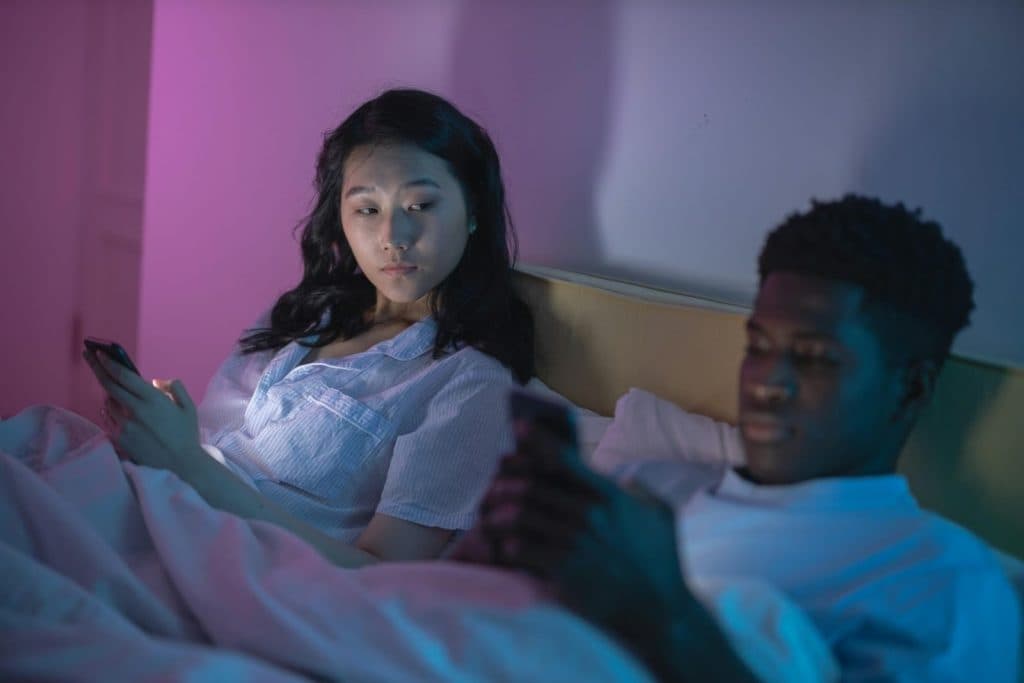
You’re lying in bed, the lights are off, and your phone is in your hand. You tell yourself you’ll just scroll for a few minutes. But somehow, an hour slips by without you noticing.
It’s easy to lose track of time like this. What starts as a small check-in quickly turns into staying up later than you planned, leaving you tired the next morning.
In this article, we’ll look at what people are actually doing on their phones late at night, why it’s so easy to get hooked, and how it affects sleep and energy. These habits are common, and almost everyone experiences them at some point.
At the end of the day, your brain just wants a break.
You’ve finished work, school, or daily responsibilities. Night feels like the only time that’s truly yours. So naturally, you reach for your phone.
Here’s why it happens so easily:
And then comes the question we all ask ourselves:
Why is it always “just five more minutes”… that turns into 45?
Late at night, people don’t usually do anything complicated. It’s all about quick, easy content.
Here’s what most people are actually doing:
Scrolling social media. Endless feeds on Instagram, TikTok, or Facebook keep you hooked. There’s always one more post.
Watching videos. Short clips, reels, or longer YouTube videos. Autoplay makes it hard to stop.
Messaging and chatting. Late-night conversations feel more relaxed. People open up more.
Reading . Catching up on daily news is common, especially when the day finally slows down.
that a large portion of adults (approximately 86%) check news on mobile devices daily.
Playing games. Quick entertainment is a big one. Some people play puzzles or go for fast distractions. Others turn to quick forms of entertainment, including casual games or even simple that are easy to play in short bursts.
These activities are simple, low-effort, and designed to keep your attention.
If you’ve ever said “I’ll just scroll for a bit” and failed, you’re not alone.
Phones are designed to keep you engaged.
Here’s what’s working against you:
There’s no natural stopping point. You never feel “done.”
A message, a like, a new video – it keeps interrupting your exit.
Every post, video, or message gives a small hit of satisfaction.
You don’t even choose the next video; it just starts.
According to , screen use before bed is one of the top reasons people delay sleep.
So it’s not just a lack of discipline. The system is built to keep you there.
At first, it doesn’t feel like a big deal. But over time, the impact adds up.
Here’s what actually happens:
Think about it: How many times have you gone to bed tired… and still stayed on your phone?
You don’t have to completely quit your phone at night. Small changes can go a long way.
Set a screen-time limit
Decide on a cutoff time (like 30 minutes before sleep).
Keep your phone out of reach
Even placing it on a desk instead of your bed helps.
Turn off notifications
Less distraction = easier to stop.
Use night mode or blue light filters
It won’t fix everything, but it helps reduce strain.
Replace scrolling with something simple
Reading a few pages of a book or listening to calm music can work better.
Tip: Start with just one habit. Don’t try to change everything at once.
Late-night phone use feels normal because… it is. Almost everyone does it. It’s part of modern life. But it often goes unnoticed how much time it takes and what it costs you in sleep and energy.
The good news? You don’t need big changes. Just awareness.
Start paying attention to your habits tonight. Even small shifts can make your mornings feel a lot better.