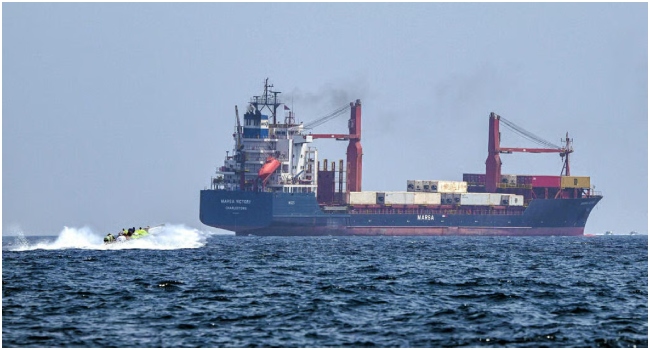
Strait of Hormuz: A Shipping Standstill
The Strait of Hormuz, a critical chokepoint for global trade, has become a near-impassable zone since the outbreak of the Middle East war. From March 1st to 19th, only 114 crossings were recorded, a stark contrast to peacetime levels.
Vessel Traffic Analysis
- Oil tankers accounted for 69 crossings, with over half carrying cargo, primarily heading east.
- Iranian-owned or flagged ships dominate the strait, followed by Greek and Chinese vessels.
- US, EU, and UK sanctions impact a significant portion of the ships transiting the area.
- Chinese authorities are reportedly planning an exit strategy for their stranded tankers.
Richard Meade from Lloyd's List highlights the unusual traffic composition, stating, 'Traffic is being led by bulk carriers, tankers, and container ships, with a recent increase in gas carriers.'
Global Shipping Impact
The blockade has disrupted the flow of goods, especially oil, with Asia, and China in particular, being the primary destination for the reduced volume of oil passing through.
Shipping companies are seeking alternative routes, with some opting for overland transportation across Gulf countries. The rebalancing of maritime traffic is evident as vessels divert to other corridors like the Bab el-Mandeb strait and the Suez Canal.
As the conflict persists, the Strait of Hormuz remains a focal point for global shipping concerns, with nations negotiating transit permissions with Iran's Revolutionary Guards.