Key Takeaways
- Vice President JD Vance emphasized the US dedication to hindering Iran's nuclear ambitions.
- The US is coordinating economic, diplomatic, and military strategies with international allies.
- Concerns about Iran's uranium enrichment and regional proxy activities are escalating.
By Vera Anyagafu with agency report
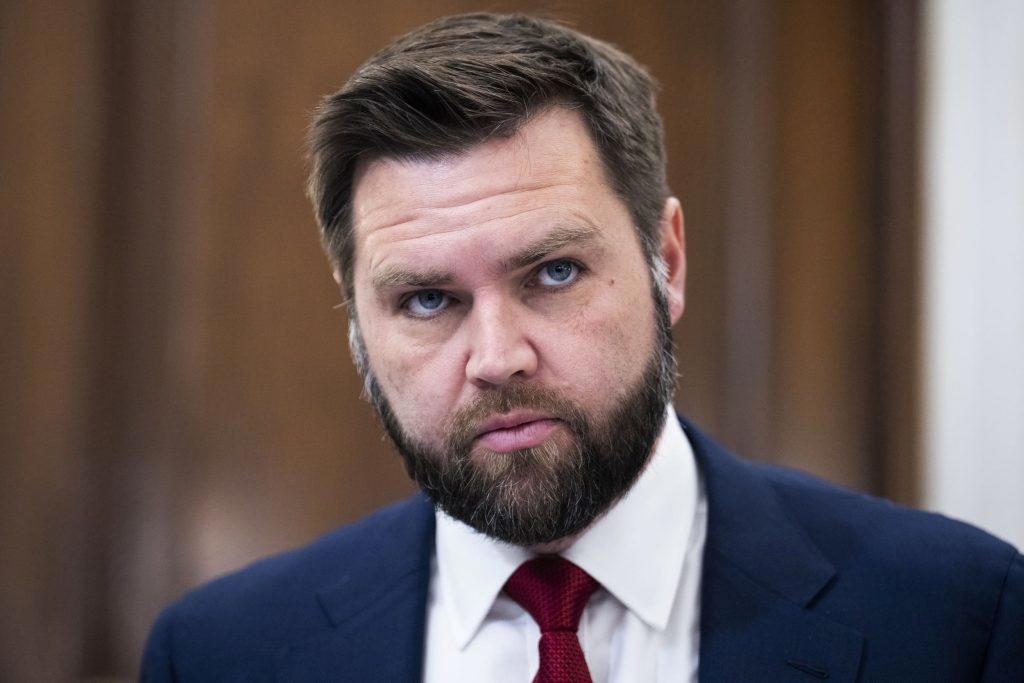
US Vice President JD Vance has firmly reiterated the United States' stance against Iran during a recent policy event in Washington. He stated, “We are not going to allow Iran to march toward a nuclear weapon, and we are not going to allow them to threaten our partners with impunity.” This declaration underscores the Biden administration's prioritization of international stability and security amid rising tensions surrounding Iran.
Vance outlined that the administration is actively coordinating diplomatic, economic, and security measures with allies to apply pressure on Iran while keeping the option for further action open. He declared that the US will utilize all tools available to confront Tehran effectively.
In his address, the Vice President emphasized collaboration with both European and Gulf partners to craft a coordinated response to Iran’s nuclear activities and the actions of its regional proxies. Strategies discussed included targeting Iran's oil exports, its drone program, and entities associated with the Revolutionary Guard using sanctions. Additionally, Vance noted the importance of maintaining a US military presence in the region to safeguard shipping routes and protect American personnel.
The Vice President's remarks arise amidst renewed concerns surrounding Iran's uranium enrichment practices and a series of recent attacks on commercial shipping in the Gulf, which have heightened worries among international observers.
US officials have pointed to Iran's backing of proxy groups in Yemen, Iraq, Syria, and Lebanon as significant contributors to regional instability. In defense of Iran, the country's Foreign Ministry dismissed Vance’s comments, labeling them as “the same failed policy of pressure and threats.”
Emphasizing the need for Congressional involvement, US Senator Chris Murphy from Connecticut stressed that any escalation must include input from lawmakers. He remarked, “We need a strategy that actually reduces risk, not just rhetoric.”
Analysts suggest that the phrase 'all tools' in Vance's statements is intentionally vague, created to communicate resolve to Tehran while preserving a range of options for the administration's future actions.
Vance concluded his remarks by announcing that Secretary of State and Defense officials would brief allies in Europe and the Middle East in the following week, adding that the administration is in the process of reviewing additional sanctions designations.
Why This Matters
The ongoing situation with Iran underscores the complexities of international relations and the challenges of ensuring regional stability. As the US seeks to navigate this precarious landscape, the effectiveness of its strategies will be crucial in determining the future of peace and security in the Middle East.