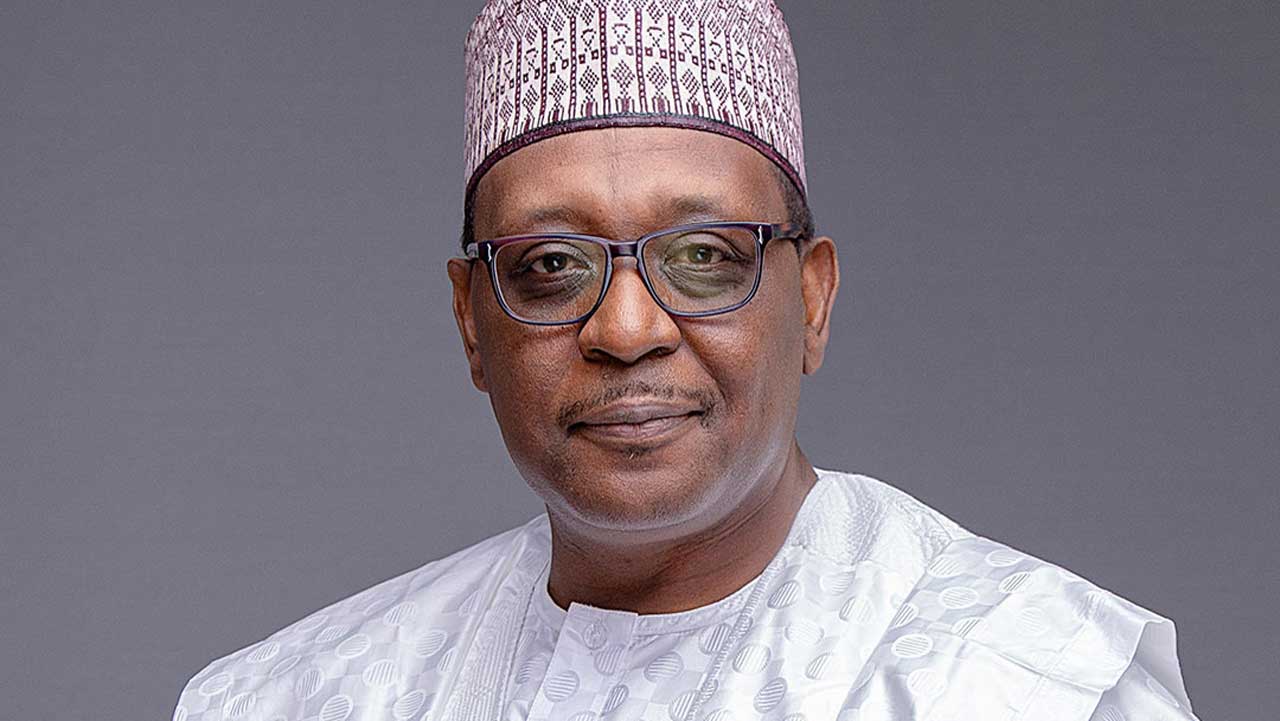
The Federal Government on Wednesday said it is working to contain the spread of Ebola, assuring Nigerians that public health authorities are coordinating response measures to prevent further transmission
The government on Tuesday confirmed a case of Ebola virus disease in the Federal Capital Territory (FCT)
The Coordinating Minister of Health and Social Welfare, Muhammad Pate, said the imported case was confirmed through laboratory testing
He said the patient was a woman with a recent travel history to East Africa, particularly Uganda, who returned to Nigeria with symptoms on October 7 Her condition worsened four days later before tests confirmed the infection.
Pate said the patient was currently in isolation and receiving medical care, while contact tracing had commenced
Briefing reporters on Wednesday after a meeting at the Office of the Chief of Staff to the President, Femi Gbajabiamila, at the State House, Abuja, the minister said Nigeria was working with Ugandan authorities while taking steps to contain the case and prevent further transmission
Uganda has denied reports of an Ebola outbreak, saying that travelling through the country alone was insufficient to establish where the infection occurred
“All I can tell you is that we are collaborating with our sister African nation, Uganda What is important is that we have found this one case. We are doing contact tracing, and we are putting containment measures to ensure that it doesn’t go into our population,” Pate said.
The minister said Nigeria had competent public health institutions capable of responding to the situation, citing the country’s experience in managing the 2014 Ebola outbreak
“We have done it in 2014, and we have good public health institutions,” he said
He urged Nigerians to remain vigilant but avoid panic, advising the public to rely on information from trusted public health authorities and refrain from circulating unverified reports
“Nigerians should be reassured We must be vigilant, but not panic, and people should respect public health information from trusted sources, and not spread misinformation and false rumours,” he said.
The Nigeria Centre for Disease Control and Prevention (NCDC) on Wednesday said the Bundibugyo strain of Ebola diagnosed in the FCT has to do with a diplomat whose condition has deteriorated
First discovered in Uganda in 2007, Ebola Bundibugyo is a rare and severe species of the genus Orthoebolavirus that causes Bundibugyo virus disease (BVD), a form of viral hemorrhagic fever in humans
“We did three levels of tests, but all were molecular The strain was Bundibugyo,” NCDC director of the public health laboratory service, Olajumoke Babatunde, said at an emergency management meeting in Abuja.
“This person is actually a diplomat,” another official said, adding that the patient’s condition had deteriorated into multi-organ failure
‘FG on top of the situation’
The Presidential Task Force on Ebola Preparedness, Virus Disease Preparedness and Emerging Public Health Threats has assured Nigerians that it has what it takes to handle the Ebola situation in the country
The Chairman of the Task Force and Chief of Staff to the President, Femi Gbajabiamila, stated this while speaking after the group’s emergency meeting at the State House on Wednesday
“The Task Force is on top of it NCDC is on top of it; every hand is on deck. We must build community trust and avoid panic, but it’s also important to state clearly that this is a collaborative effort between the government and the people.
Also, the Federal Government urged Nigerians to observe proper hand hygiene, practise preventive healthcare and cooperate with public health officials
The Minister of State for Health and Social Welfare, Dr Iziaq Adekunle Salako, made the call on Wednesday in Abuja at the inaugural National Self-Care Conference
Salako urged Nigerians to adopt healthy habits, monitor their health conditions and seek professional medical attention when necessary
He described self-care as a critical tool for preventing diseases, improving health outcomes and reducing pressure on hospitals
He explained that self-care included healthy eating, physical activity, adherence to prescribed medication and regular monitoring of health conditions
Salako, however, warned that self-care must not be used as a substitute for professional medical services or as an excuse for the government to shirk its responsibility to provide accessible and affordable healthcare
Senate seeks emergency funds, mandatory border screening
Meanwhile, the Senate has urged the Federal Government to release emergency funds to strengthen disease surveillance and introduce compulsory health screening at all international airports, seaports and designated land borders to curb Ebola and other epidemic-prone diseases
The resolution followed a motion of urgent national importance sponsored by Senator Francis Faduyile, who expressed concern over the spread of the Bundibugyo Ebola virus and its potential threat to Nigeria’s public health system on Wednesday
While acknowledging the government’s measures, including health declaration forms and increased screening, the Senate expressed concern that existing protocols covered only travellers from selected countries
Lawmakers warned that this could create gaps in disease surveillance, citing shortages of personnel and equipment at entry points and the reliance of Port Health Services on the Quarantine Act of 1926
They noted that existing health challenges, including Lassa fever, cholera and diphtheria, made stronger preparedness measures necessary
It also called for the replacement of the 1926 Quarantine Act with updated legislation aligned with the 2005 International Health Regulations
States activate emergency response
State governments have activated emergency response measures, strengthened disease surveillance and intensified public awareness following the confirmation of an imported case of Ebola in FCT
Governments in Gombe, Jigawa, Niger, Lagos, Kaduna, Oyo, Ogun, Kwara, Borno, Adamawa, Bauchi, Edo and Ekiti said they were taking steps to prevent the spread of the disease and ensure early detection and prompt response to suspected cases
In Gombe State, the Commissioner for Health, Prof Adamu Danladi Bojude, said the Ministry of Health was strengthening surveillance and coordinating with national health authorities.
Bojude told Daily Trust that no person of interest had been identified in the state as of Wednesday
In Jigawa State, the government has intensified preparedness measures, including the activation of the Infectious Disease Hospital (IDH) isolation centre for the possible admission of suspected cases
The State Epidemiologist, Ismail Ibrahim, said the Ministry of Health had provided a functional ambulance for evacuating suspected cases and prepositioned drugs and medical supplies to support the management of confirmed cases
He added that the ministry had trained the IDH and PHEOC evacuation teams, as well as contact tracers responsible for identifying and monitoring people who might have been exposed to the virus
Ibrahim said surveillance personnel across the state had also been sensitised to strengthen community and hospital surveillance, improve reporting and maintain a high level of suspicion for possible cases
In Niger State, the government said it had activated its Public Health Emergency Operations Centre and deployed Local Government Disease Surveillance and Notification Officers and response teams to strengthen contact tracing, clinical assessment and referral procedures
The Commissioner for Health, Dr Murtala Bagana, said vigilance was particularly important because of the frequent movement of people and goods between Niger State and Abuja
In Lagos, the Commissioner for Health, Prof Akin Abayomi, said the state remained prepared and was strengthening its capacity to prevent, detect and respond to infectious disease outbreaks, particularly those caused by high-priority pathogens.
In Kaduna State, the Director of Public Health in the Ministry of Health, Dr Sadique Abubakar, said the government was developing messages to educate residents about Ebola and how to prevent its spread
He said awareness campaigns would be conducted through radio, television and other media platforms
Abubakar said the state would continue to review its preparedness measures and issue public health advisories to guide residents
In Oyo State, the Commissioner for Health, Dr Oluwaserimi Ajetunmobi, said preparations began in June 2026 to strengthen the state’s readiness for Ebola and other infectious diseases, including diphtheria
Ajetunmobi said disease surveillance units had been activated across the state’s 33 local government areas, while information and educational materials on Ebola transmission, prevention and emergency contacts had been distributed to health facilities
In neighbouring Ogun State, the government said it had intensified surveillance and preparedness, assuring residents that no case had been recorded as of October 21, 2026
The Commissioner for Health, Dr Tomi Coker, said the state had been on heightened alert since the declaration of Ebola in the Democratic Republic of the Congo in March 2026
She disclosed that 111 persons of interest, comprising passengers from high-risk countries, had been identified, monitored and discharged from follow-up after completing the required surveillance period
Coker said the state’s PHEOC was coordinating preparedness and response activities, while relevant health personnel had received training on procedures for identifying and managing suspected cases
In Kwara State, the Commissioner for Health said the government was strengthening disease surveillance, alerting health facilities and preparing screening and treatment supplies
She said hospitals and other health facilities had been sensitised to identify and report suspected cases, while Disease Surveillance and Notification Officers had been reminded to watch for symptoms associated with the disease
The commissioner said the state had convened an emergency operations meeting involving relevant stakeholders, including environmental authorities, to coordinate preparedness efforts and strengthen reporting mechanisms
In Borno State, the Ministry of Health has launched a specialised rapid response team as part of efforts to prevent a possible outbreak
The Director of Public Health, Dr Goni Imam Ali, told Daily Trust that the state had also launched community sensitisation campaigns to educate residents about the signs and symptoms of the disease and encourage them to report suspected cases promptly
Ali urged community leaders to support the campaigns and help disseminate preventive information
In Adamawa State, the government directed heads of emergency operations centre pillars to convene an urgent meeting to strengthen preparedness and response mechanisms
The Head of Information Department of the Ministry of Health and Human Services, Abubakar Mohammed, said the Permanent Secretary, Pharm Amos Enoch Piribu, issued the directive during a meeting with technical directors.
Mohammed said the measures included activating the State Rapid Response Team, strengthening the Infectious Disease Centre and reinforcing surveillance across the state’s 21 local government areas
In Bauchi State, a senior director in the Ministry of Health said the state already had surveillance and response teams working on Lassa fever, diphtheria and cholera
The official, who spoke on condition of anonymity, said the state had three isolation centres at the Abubakar Tafawa Balewa University Teaching Hospital, Bauchi Specialist Hospital and Kandahar Primary Healthcare Centre
He said the state was awaiting further directives from the NCDC on preparedness against Ebola
In Edo State, the Permanent Secretary of the Ministry of Health, Dr Paul Eighemhenrio, said the government had put public health measures in place, including intensified surveillance in communities and health facilities, follow-up of passengers of interest, infection prevention and control, and public risk communication
He said the state was working with relevant authorities to ensure the timely identification and referral of suspected cases and provide accurate public health information
In Ekiti State, the government urged residents to remain calm but vigilant, practise regular hand hygiene and avoid contact with the body fluids of anyone suspected of having Ebola
It also advised people who might have been exposed to report immediately, even if they felt well Those who developed symptoms were urged to avoid close contact with others and contact public health authorities before visiting a healthcare facility.
Meanwhile, the Director-General of the National Biosafety Management Agency, Dr Fatima Suleiman-Zuntu, urged Nigerians to remain calm and rely on verified information
She said the agency was ready to make its biosafety experts available to the NCDC and other response teams to support containment and infection prevention efforts
Suleiman-Zuntu said Nigeria’s experience in containing Ebola in 2014 demonstrated the importance of preparedness, coordinated action and public cooperation
Anambra monitors 7 persons of interest
The Anambra State Government said it is monitoring seven persons of interest as part of efforts to prevent the spread of Ebola
The Commissioner for Health, Dr Afam Obidike, disclosed this during a briefing in Awka on Wednesday, adding that the state had no confirmed case
He said 40 persons had been monitored, with 33 completing the process and testing clear, while seven remained under active follow-up All seven were stable.
Obidike said surveillance had been strengthened at airports, markets, motor parks, banks and other public places to detect symptoms early and investigate alerts