The Federal Ministry of Finance has dismissed claims that a significant portion of Nigeria’s federation revenue is being diverted or concealed, describing such reports as a misinterpretation of the latest Nigeria Development Update released by the World Bank.
The World Bank recently said fuel prices in Nigeria have risen by more than 50 percent since the outbreak of the Iran conflict, a situation it said has intensified inflationary pressures and raising concerns over household welfare.
Speaking at the Nigeria Development Update (NDU) presentation in Abuja, the World Bank’s Lead Economist for Nigeria, Fiseha Haile, noted that the sharp increase in fuel prices has significantly increased transportation, food, and production costs across the economy.
Daily Trust had also reported that the International Monetary Fund (IMF) advised Nigeria to focus on debt sustainability over the choice between external and domestic borrowing, as the country grapples with mounting fiscal pressures and global economic uncertainty.
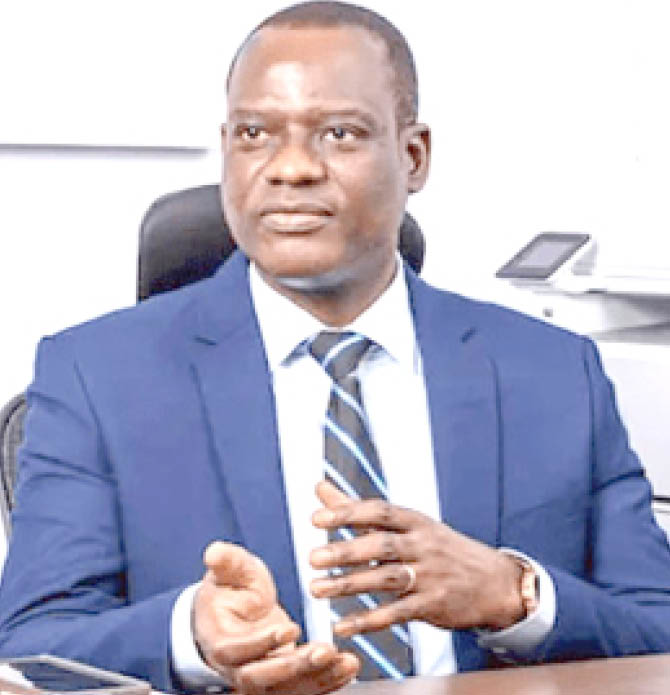
In a statement on Sunday, the Minister of State for Finance, Taiwo Oyedele, said media reports suggesting “hidden spending” and diversion of funds do not reflect the actual findings of the World Bank.
He explained that deductions by the Federation Account Allocation Committee (FAAC) have been wrongly portrayed as waste or missing funds, stressing that such deductions are legitimate and form part of established fiscal processes.
“FAAC deductions, as presented in the World Bank report, include:
“Statutory transfers, Savings and investments, Security-related expenditures, Cost-of-collection charges, Refunds to Ministries, Departments and Agencies (MDAs), Transfers and interventions benefiting subnational governments.
“It is important to emphasise that refunds and transfers to states and other tiers of government are not leakages. They represent legitimate fiscal flows, including repayments of obligations and statutorily backed allocations.” he said.
The ministry also faulted what it described as the selective use of outdated data in some commentaries, noting that recent reforms highlighted in the World Bank report were ignored.
“The World Bank explicitly notes that reforms implemented in early 2026, including the recently signed Executive Order to safeguard remittance of petroleum revenues, are already addressing concerns around deductions, and are expected to improve transparency while increasing revenues available to all tiers of government by about 0.4% of GDP annually.
“Misinterpreting one aspect of the analysis without acknowledging the progressive reforms and measures already introduced to enhance distributable federation revenues gives a distorted picture.”
The statement further said the broader message of the World Bank report presents a positive outlook for Nigeria’s economy, citing more broad-based economic growth, declining inflation, improved external reserves, and a current account surplus.
It also noted an improvement in debt indicators, including a reduction in the debt-to-GDP ratio, which, the Ministry claimed, was the first recorded in over a decade.
The ministry stressed that the World Bank did not conclude that Nigeria’s fiscal system is failing, but rather indicated that ongoing reforms are yielding results and should be sustained.
The statement added, “The Federal Government remains committed to strengthening fiscal transparency, improving revenue mobilisation, ensuring efficient public spending, and deepening reforms to support inclusive economic growth.
“An accurate understanding and responsible reporting of fiscal information are critical to maintaining confidence in Nigeria’s reform trajectory and economic outlook.”
The ministry urged media organisations and stakeholders to ensure accurate reporting of fiscal issues, warning that misrepresentation could undermine public confidence and ongoing reform efforts.