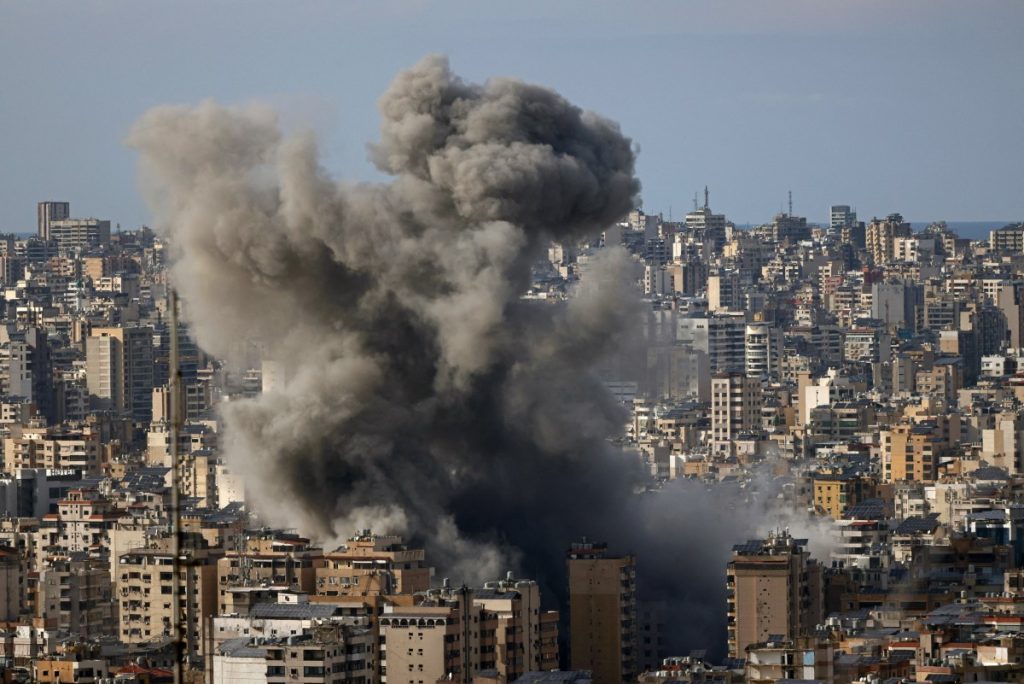
Middle East Conflict Reaches Critical Juncture: Diplomacy Fails as Strikes Escalate
\nThe protracted conflict in the Middle East has entered an alarming new phase, marked by intensified military actions, stark warnings from regional powers, and growing international repercussions. As the geopolitical landscape shifts, nations grapple with the immediate threats and long-term implications of a widening war.
\n\nSyria Seeks Neutrality Amidst Regional Turmoil
\nSyrian President Ahmed al-Sharaa has reiterated his commitment to keeping his nation out of the escalating conflict. Highlighting Syria's past struggles, President al-Sharaa emphasized a newfound regional and international harmony, asserting Damascus's full solidarity with Arab states.
\n“It is important to remember that Syria has always been an arena of conflict and strife during the past 15 years and before that, but today it is in harmony with all neighbouring countries regionally and internationally,” al-Sharaa stated, underscoring efforts to maintain stability.
\n\nIran Issues Stern Warnings and Faces Losses
\nTehran has issued strong warnings regarding the conflict's international dimension, while simultaneously reporting significant losses.
\n- \n
- UK-US Base Warning: Iran’s Foreign Minister informed his UK counterpart that Tehran would consider any US military actions from British bases as "participation in aggression." The Iranian foreign ministry stated, “These actions will certainly be regarded as participation in aggression and will be recorded in the history of relations between the two countries.” \n
- Revolutionary Guards Suffer Loss: The Revolutionary Guards announced the death of their spokesman, Ali Mohammad Naini, in what they described as US-Israeli strikes. Naini had previously defied Israeli Prime Minister Benjamin Netanyahu’s claims about Iran’s ballistic missile capabilities, asserting, “even under wartime conditions we continue missile production.” \n
Wave of Attacks Rocks Key Infrastructure Across Region
\nThe conflict's reach expanded with multiple attacks on critical infrastructure across several Middle Eastern nations, pointing to a broader destabilization.
\n- \n
- Israeli Strikes on Tehran: The Israeli military confirmed launching a wave of strikes on Tehran following Iranian missile fire overnight. Explosions were reported in Jerusalem, though Magen David Adom emergency services reported no casualties. \n
- Kuwaiti Oil Refinery Hit: Drone attacks caused several fires at Kuwait’s Mina Al-Ahmadi oil refinery, although no casualties were reported by state media. \n
- Bahraini Warehouse Fire: Bahrain's interior ministry attributed a warehouse fire, which caused no injuries, to shrapnel from an “Iranian aggression.” \n
- UAE Busts 'Terrorist Network': UAE authorities arrested at least five members of an alleged “terrorist network” with ties to Iran and Lebanese militant group Hezbollah. The network reportedly aimed to “infiltrate the national economy” as part of a strategic plan coordinated with external parties. \n
- Regional Air Defense Responses: Kuwaiti and Emirati authorities reported their air defenses actively responding to missile and drone attacks. Saudi Arabia's defense ministry confirmed intercepting and destroying over a dozen drones in its eastern and northern regions. \n
Global Economic Repercussions and Diplomatic Stances
\nThe conflict's ripple effects are being felt globally, impacting energy markets and prompting international political maneuvers.
\n- \n
- Oil Prices Slip: Crude oil prices saw a decline after US and Israeli leaders indicated that Israel would cease targeting Iran’s energy infrastructure. \n
- Qatar's LNG Exports Threatened: Qatar’s energy minister warned that attacks on its energy installations could slash its liquefied natural gas (LNG) export capacity by 17% and take up to five years to repair, potentially forcing a "force majeure" on long-term contracts. \n
- Sri Lanka Rejects US Warplanes: Sri Lankan President Anura Kumara Dissanayake informed parliament that the island nation refused permission for the United States to station two warplanes at an airport in early March. Sri Lanka maintains strategic ties with both the US and Iran. \n
- EU Concerns Over Migration: European Union leaders vowed to "fully mobilise" to prevent "uncontrolled migratory movements" towards the 27-nation bloc, fearing a repeat of the 2015 migration crisis sparked by the Syrian civil war. \n
Netanyahu Predicts Swift Victory, Denies US Influence
\nIsraeli Prime Minister Benjamin Netanyahu expressed confidence in a rapid conclusion to the conflict, while also addressing international perceptions.
\nAt a press conference, Netanyahu stated, “We are winning and Iran is being decimated,” predicting the war would end “a lot faster than people think.” He further asserted that Iran was no longer capable of enriching uranium or building ballistic missiles. Additionally, Netanyahu dismissed claims that Israel had “dragged” the US into the war, questioning, “Does anyone really think that someone can tell President Trump what to do?”