Key Takeaways
- Gbadebo Rhodes-Vivour, the ADC Lagos governorship candidate, sparked controversy by attempting to answer a question on Yoruba language preservation in English at 'The Platform'.
- The audience protested, insisting he respond in Yoruba, highlighting deep-seated concerns about the decline of indigenous languages.
- Rhodes-Vivour acknowledged Lagos as Yorubaland and the importance of language but stated his primary focus was on governance.
- He criticized the current state government's education policies, alleging punishment for speaking Yoruba in schools.
- The incident underscores the significant role of cultural identity and language in Nigerian politics, especially in the lead-up to the 2026 elections.
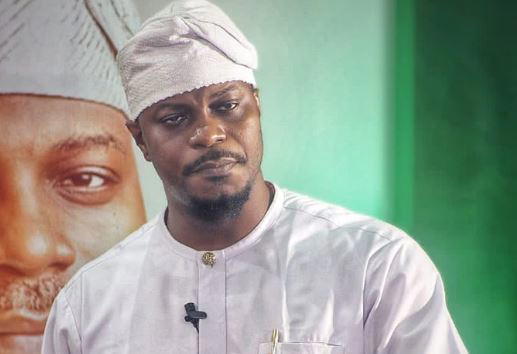
A moment of tension unfolded at the 2026 Independence Day edition of 'The Platform', a prominent Nigerian public discourse event, when Gbadebo Rhodes-Vivour, the African Democratic Congress (ADC) governorship candidate for Lagos State, attempted to address a question regarding the preservation of Yoruba language and culture in English. The unexpected turn of events during the question-and-answer session quickly ignited a spirited reaction from the audience, underscoring the profound emotional and cultural significance of indigenous languages in Nigeria.
The incident began when an attendee posed a direct question to Rhodes-Vivour, inquiring about his plans to safeguard Yoruba culture, tradition, and language if elected governor of Lagos State. The questioner referenced a recent interview the ADC candidate had with Seun Okinbaloye on Channels Television, expressing palpable concern that Yoruba children in Lagos were increasingly losing their ability to speak their native tongue. “Mr Gbadebo Rhodes-Vivour, I have two questions for you. I watched your recent interview with Seun Okinbaloye on Channels TV, where you spoke about the Yoruba culture, tradition, and language. You know Lagos is Yorubaland. Now, what would you do to preserve our culture, tradition and language?” the attendee pressed, further citing countries like China and India as examples where indigenous languages thrive among younger generations.
As Rhodes-Vivour commenced his response in English, a noticeable stir rippled through the venue. Members of the audience, clearly agitated, began to protest, vocally insisting that he switch to Yoruba. The atmosphere briefly became boisterous before the ADC candidate managed to calm the crowd, allowing him to continue his address. He affirmed the undeniable identity of Lagos as Yorubaland, emphasizing, “Let me start by saying this is Lagos; Lagos is Yorubaland. No doubt about it. Language is important, language carries the culture and heritage of our people.”
However, Rhodes-Vivour then pivoted, stating that his primary responsibility as a governorship candidate was to concentrate on the broader aspects of governance. He subsequently launched into a critique of the state’s education system, alleging that despite over two decades of governance by the All Progressives Congress (APC), pupils were still being punished for speaking Yoruba in schools. “Today, we’ve had 20-something years of the APC governance but till now, if you speak Yoruba in primary schools or secondary school, they will say it is vernacular and they beat and punish you,” he asserted, highlighting a systemic issue that many believe contributes to the decline of indigenous languages.
He concluded by urging the questioner to direct some of these pressing concerns to representatives of the Lagos State Government who were also present at the event, subtly shifting accountability. This incident at 'The Platform' not only brought Rhodes-Vivour's stance on cultural preservation into sharp focus but also served as a powerful reminder of the deep-seated anxieties within the community regarding the erosion of their linguistic heritage.
Why This Matters
The exchange at 'The Platform' transcends a mere political gaffe; it illuminates the critical intersection of governance, cultural identity, and education in Nigeria. As the nation approaches the 2026 elections, the ability of political leaders to connect with the populace on issues of cultural pride and linguistic preservation will undoubtedly play a significant role, reflecting a broader societal demand for policies that actively safeguard indigenous heritage against the pressures of globalization and colonial legacies.