Key Takeaways
- Governor Umo Eno says he made no less than ₦10 million monthly from selling akara and bread before entering politics.
- He described creating an "Akara Burger" by placing fried bean cakes inside bread for morning customers.
- The governor noted that ExxonMobil workers were among the regular buyers who also frequented his coffee shop.
- His remarks reconnect with a wider national conversation about the value of small food businesses.
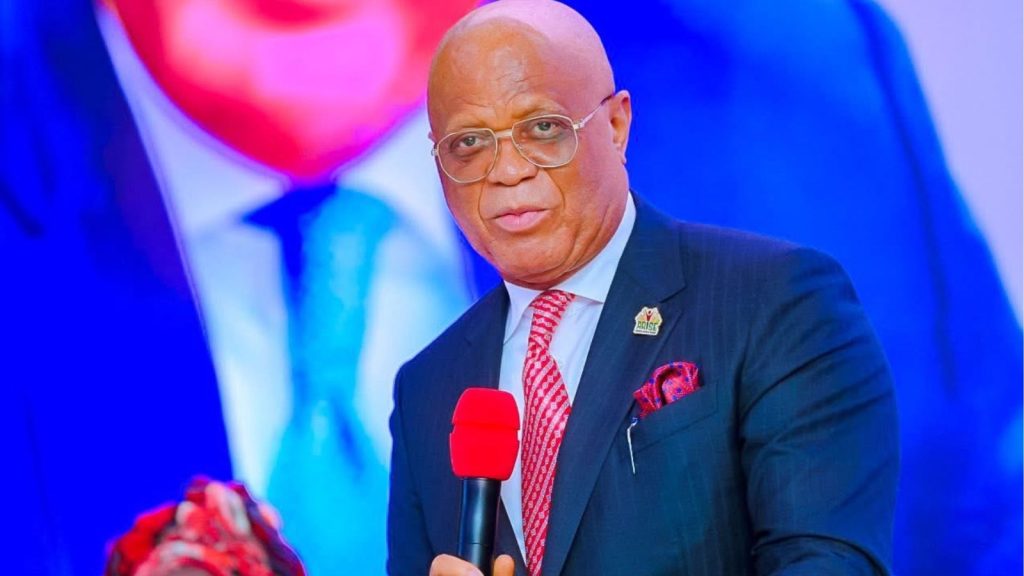
Akwa Ibom State Governor, Umo Eno, has opened up about his entrepreneurial past with a striking disclosure: he once earned at least ₦10 million every month from a simple akara and bread business.
Speaking at a public gathering, Eno recounted how he built his early income from humble food items before his political career took center stage. He explained that his journey began with akara and bread, and later expanded to include a coffee shop that served the same loyal clientele.
From Akara Burger to Coffee Shop
The governor revealed that the original shop where he launched the business still stands today. He credited his innovative approach for attracting customers, particularly his signature creation called the "Akara Burger."
"We still have that shop there I started selling Akara and bread. Back then, I was doing Akara Burger. We open the bread and put it inside for you," Eno said.
This simple but clever twist on street food proved popular among early morning workers, including employees of ExxonMobil who passed through on their way to the office.
"People going to Exxon Mobil will buy it in the morning, take coffee. We started coffee shop and then they will take it," he said.
A Profitable Routine
What began as a modest roadside operation soon grew into a major revenue generator. Eno said the combination of akara and bread consistently delivered impressive returns, month after month.
"Every month, that Akara business and Bread used to give me nothing less than ₦10 million in a month," he said. "Not less than that," the governor added.
The disclosure offers a rare glimpse into Eno's commercial dealings before politics, highlighting his early involvement in food and hospitality. His account has also triggered widespread discussion online, as many Nigerians reconsider the earning potential of small-scale food businesses.
A Wider National Conversation
Eno's revelation arrives amid renewed interest in akara enterprises following recent comments by First Lady Oluremi Tinubu, who encouraged Nigerians to explore small-scale ventures as a viable path to income. The governor's numbers add a striking example to that argument, showing how a beloved street food can form the foundation of a substantial livelihood.
Industry observers note that roadside food vendors often operate within booming informal markets, yet few publicly document such figures. Eno's story helps illustrate how accessible food businesses, when well positioned and consistently supplied, can generate significant cash flow.
Why This Matters
Umo Eno's akara and bread story demonstrates that serious wealth can spring from humble beginnings, especially when entrepreneurship meets daily consumer demand. His testimony reinforces the importance of small food enterprises in Nigeria's economy and encourages aspiring business owners to take familiar products seriously.