Key Takeaways
- The US and Iran are preparing for a second round of peace talks in Pakistan following initial diplomatic failures.
- Tehran has threatened to block global trade routes in the Red Sea and Persian Gulf if the US naval blockade of Iranian ports is not lifted.
- The US is pushing for a "grand bargain" that includes a 20-year suspension of Iran's uranium enrichment program.
- Global markets reacted positively to the prospect of peace, with Wall Street indices hitting record highs on Wednesday.
Diplomatic Breakthroughs and Rising Tensions
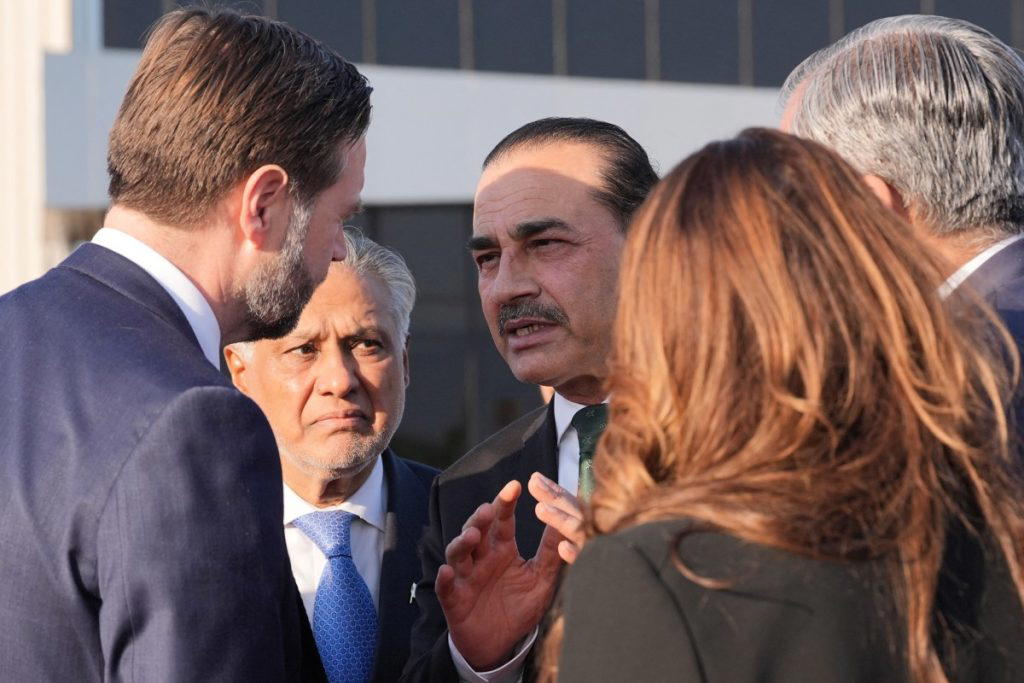
The United States is actively pursuing a second round of peace negotiations with Iran, with officials expressing cautious optimism that a deal is within reach. This diplomatic push comes as a Pakistani delegation arrived in Tehran carrying a fresh message from Washington, following President Donald Trump’s indication that discussions could resume this week. White House Press Secretary Karoline Leavitt confirmed that the administration feels positive about the prospects for a resolution, noting that discussions regarding the venue—likely the Pakistani capital—are currently underway.
The diplomatic momentum follows a four-day regional tour by Pakistan’s Prime Minister Shehbaz Sharif, who has been working to facilitate dialogue between key regional players. Vice President JD Vance, who spearheaded the initial round of talks, has framed the current US offer as a "grand bargain." This proposal aims to conclude the six-week conflict involving Israel and the United States while simultaneously addressing the long-standing dispute over Iran’s nuclear capabilities.
The Economic and Military Standoff
While diplomats talk, the situation on the ground remains volatile. The United States has implemented a strict naval blockade of Iranian ports, with Central Command (CENTCOM) claiming to have successfully halted all maritime trade in and out of the country. However, reports from the region suggest that shipping activity continues, and Iranian officials have issued stark warnings. Ali Abdollahi, a military adviser to Supreme Leader Ali Khamenei, stated that if the blockade is not lifted, Iran will effectively shut down exports and imports across the Persian Gulf, the Sea of Oman, and the Red Sea.
The rhetoric has escalated significantly, with former Revolutionary Guards commander Mohsen Rezaei threatening that Iranian missiles would sink American vessels if the US continues to police the Strait of Hormuz. This critical waterway, which handles roughly one-fifth of the world’s crude oil, remains the focal point of the current economic pressure campaign. IMF chief Kristalina Georgieva has warned that a failure to resolve the conflict could lead to severe global economic consequences, including sustained high oil prices and increased food inflation.
Nuclear Ambitions and Regional Stability
At the heart of the negotiations lies the future of Iran’s nuclear program. Washington is reportedly demanding a 20-year suspension of uranium enrichment, a term Tehran has thus far resisted, offering a five-year suspension instead. While Iran maintains that its nuclear program is strictly for civilian purposes, the US remains committed to ensuring the Islamic Republic cannot acquire atomic weapons. As these talks progress, the administration is also working to stabilize the broader region, including facilitating separate negotiations between Israel and Lebanon.
Why This Matters
The successful conclusion of these talks would not only avert a potential global energy crisis but also reshape the geopolitical landscape of the Middle East by curbing nuclear proliferation and ending a destructive regional war.