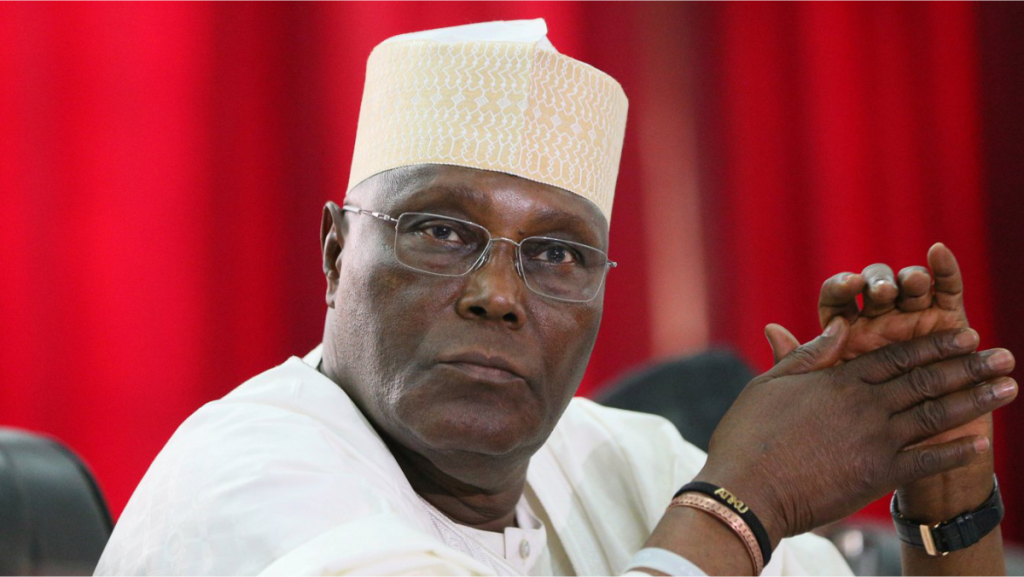
Key Takeaways
- Atiku Abubakar's concerns regarding Nigeria's fiscal transparency are validated by a US report.
- The report criticizes the Federal Government for inadequate budget disclosure and accountability.
- Atiku emphasizes the importance of transparency for attracting investment and combating corruption.
The Presidential candidate of the African Democratic Congress (ADC), Atiku Abubakar, is gaining traction as a vocal critic of Nigeria’s fiscal practices, supported by a recent report from the United States Department of State. This report raises significant concerns about the issues of fiscal transparency within the Nigerian government, effectively vindicating Atiku’s long-standing assertions regarding the administration's financial accountability.
Paul Ibe, Atiku’s media aide, shared insights from the report, highlighting its assessment of Nigeria’s budgetary and fiscal disclosure practices. The findings suggest that the Federal Government has struggled to provide comprehensive and timely information on its revenues and expenditures, a fundamental aspect of sound governance.
One of the key criticisms presented in the report is the alarming discrepancies between approved budget figures and actual revenue and spending throughout the fiscal year. Despite the Nigerian government making its enacted budget publicly accessible online, the report notes that the executive budget proposal was not published within a reasonable time frame, raising further red flags.
Moreover, the report indicates that existing budget documents failed to deliver a comprehensive overview of government revenues and expenditures. The breakdown of expenditures supporting executive offices was deemed inadequate, emphasizing a gap in transparency that may hinder public trust.
Concerns extend beyond mere budget disclosures. The report highlights that the Office of the Auditor-General does not meet international standards of independence and has been remiss in its publication of substantive reports. Such findings paint a concerning picture of Nigeria's fiscal governance.
Atiku Abubakar, a former Vice President, expressed his approval of the report's findings, reiterating his call for improved fiscal management under President Bola Tinubu's administration. He stated, 'This report confirms what we have been saying: that Nigerians deserve to know where every kobo is coming from and where it is being spent.' His continued advocacy emphasizes that public resources should benefit all Nigerians, not merely those in power.
Atiku has frequently warned that a lack of fiscal transparency could damage Nigeria's ability to attract much-needed investment and restore public confidence in governance. By pointing out that 'transparency is not a slogan; it is the foundation of good governance,' he stresses the urgency for reforms in fiscal accountability.
Looking forward, Atiku aims to promote greater fiscal transparency as essential for Nigeria’s economic resilience. He argues that timely disclosure of revenues from oil, taxation, and borrowing, combined with detailed expenditure records, will bolster investor confidence amid rising debt and inflation. Furthermore, transparency in managing public finances could enhance Nigeria's ability to attract foreign investments and access crucial support for infrastructure and social programs.
Why This Matters
The findings from the US report highlight critical issues surrounding fiscal transparency in Nigeria. Atiku's advocacy for accountability might resonate with citizens and international observers alike, reinforcing the need for governance that meets public expectations and attracts foreign investment.