Key Takeaways
- Francis Clifford Smith, the longest-serving prisoner in the U.S., passed away at 101 years old.
- Convicted for murder in 1950, Smith maintained his innocence throughout his imprisonment.
- His case highlights the issues surrounding aging in prison populations.
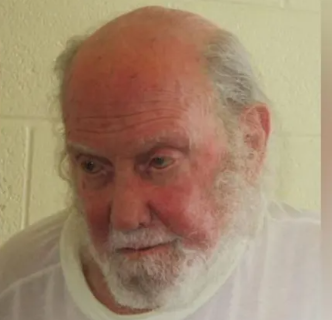
Francis Clifford Smith, who lived an extraordinary life marked by an extensive prison sentence, has died at the remarkable age of 101. Known as the longest-serving prisoner in the United States, Smith's life ended in June at a care facility in Connecticut, where he spent his final years on supervised parole.
Smith was just 25 when he was convicted in 1950 for the first-degree murder of Grover Hart, a night watchman at a Connecticut yacht club. Throughout his incarceration, he consistently maintained that he was innocent. Numerous questions have been raised regarding the validity of the evidence that led to his conviction. This skepticism was fueled by witness recantations and a confession from another inmate who claimed responsibility for the murder.
One of the police officers involved in Smith's interrogation even expressed doubt about Smith's guilt. Major Leo Carroll reportedly testified before the Connecticut Board of Pardons, stating, “I’m not even sure he was present at the murder.” Such doubts played a significant role in Smith avoiding execution on multiple occasions. He was initially sentenced to death but had this commuted to life imprisonment in 1954.
'The Birdman of Osborn'
Smith became a well-known figure at Osborn Correctional Institution, where he earned the affectionate nickname “The Birdman of Osborn” for his habit of feeding birds around the facility. Andrius Banevicius, public information officer for Connecticut’s Department of Correction, noted that Smith went to great lengths to feed the birds, stuffing his clothing with bread to ensure they were nourished. Staff tolerated these actions, knowing that his intentions were pure.
Over his 70 years in custody, Smith had brief periods outside of prison, including a notable escape in 1967 that lasted just 12 days. His only parole came in 1975 but was short-lived due to new legal troubles.
Aging Prison Population
The circumstances surrounding Smith's life have illuminated critical questions regarding the aging incarceration population in the U.S. Dr. Stephanie Prost, a researcher at the University of Louisville, pointed out that other prison systems worldwide are facing similar crises as more inmates age in place.
Statistics reveal a troubling trend: a 2025 study showed that prisoners aged 55 and older in the United States increased by nearly 400 percent from 1991 to 2021. Projections indicate that by 2030, one-third of the nation's incarcerated population could be over 50. As researchers advocate for “smart de-carceration” approaches, including compassionate releases for elderly inmates, the urgency for systemic reforms intensifies.
Smith benefited from the MissionCare Health scheme, which caters to elderly and formerly incarcerated individuals, allowing him to receive specialized care during his later years. He passed peacefully in his sleep and was cremated, with staff ensuring that his final wishes were honored.
In his later years, Smith reportedly experienced dementia, though it was noted that he managed well considering his advanced age. His death marks the end of an extraordinary chapter in the history of the U.S. prison system—a life overshadowed by a wrongful conviction but ultimately characterized by resilience and reflection.
Why This Matters
The passing of Francis Clifford Smith serves as a reminder of the complexities surrounding the criminal justice system, particularly regarding aging inmates. His story underscores the necessity for compassionate considerations and reforms to address the unique challenges this demographic faces.