Key Takeaways
- NAFDAC has launched an intensified nationwide operation against alcoholic drinks sold in sachets and bottles below 200ml.
- The enforcement targets markets, motor parks, bars, retail outlets and distribution centers where banned products remain accessible to minors.
- The agency says nearly half of underage drinkers obtain alcohol through these prohibited small-pack formats.
- Manufacturers that fail to comply face heavy fines, facility closure and possible criminal prosecution.
Why NAFDAC Is Stepping Up Enforcement
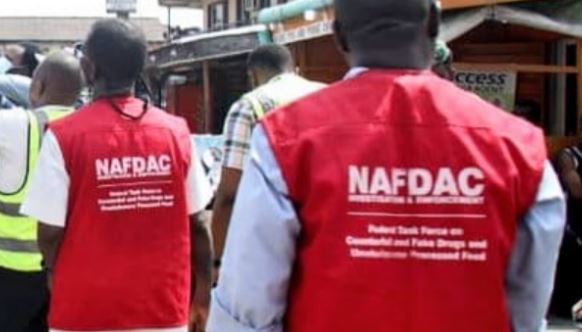
The National Agency for Food and Drug Administration and Control (NAFDAC) has begun an intensified street-level crackdown on alcoholic beverages packaged in sachets and bottles below 200ml. The agency said the operation would move beyond manufacturers to the last points of sale, where banned products remain within easy reach of children and young people.
Addressing a press briefing in Lagos, NAFDAC Director-General Prof. Mojisola Christianah Adeyeye said the agency would use seizures, intelligence gathering and sustained surveillance to remove the prohibited products from circulation. According to the research that informed the ban, nearly half of minors and underage consumers purchased alcoholic drinks in sachets or PET bottles below 200ml.
Adeyeye clarified that the Federal Government's policy is not aimed at alcohol consumption generally. 'We are not against alcohol consumption itself,' she said. 'We are against the proliferation of high-alcohol products in small, inexpensive containers that make access easier for children and young people.'
A Tiered Crackdown on the Supply Chain
NAFDAC adopted a tiered enforcement strategy to tighten control from production to retail. The first tier, which began in January 2026, focused on manufacturers, with prohibited products found at production facilities evacuated and destroyed. The second tier, launched in July, expanded the operation to markets, motor parks, retail outlets, bars and distribution centers.
The agency said the exercise would not be a one-off event. 'We are not expecting this to end next week or in two weeks' time,' Adeyeye said. 'Our enforcement continues.' She also warned manufacturers, distributors and retailers against trying to circumvent the ban. 'If you are a manufacturer of alcoholic beverages below 200ml and we find your product in the markets, you will be fined heavily, and the manufacturing facility will be closed down permanently,' she said.
Industry Commitment and Compliance
The latest enforcement follows an Irrevocable Enforcement Undertaking signed by the Distillers and Blenders Association of Nigeria (DIBAN), the Association of Food, Beverage and Tobacco Employers (AFBTE) and their member companies. Affected manufacturers must immediately recall banned packs from distributors, warehouses and other supply chain points. The recalled products will be verified and destroyed under NAFDAC supervision, with manufacturers bearing the cost.
Adeyeye disclosed that the three largest manufacturers, which control about 80 percent of the market, had complied within the preceding two weeks, and that seven companies had fully satisfied the requirements. Facilities shut for violations will not reopen until NAFDAC verifies that production lines for prohibited pack sizes have been dismantled, permanently disabled or reconfigured.
Background of the Ban
NAFDAC first raised concerns in 2018 about the widespread availability of high-alcohol drinks in small, affordable containers. A five-year moratorium agreed in December 2018 gave manufacturers until January 31, 2024, to shift to larger packaging. After the deadline passed, industry resistance and National Assembly intervention led to an extension until December 31, 2025. The full ban took effect on January 1, 2026, covering sachets and bottles below 200ml.
Adeyeye said the prolonged transition period gave manufacturers enough time to adjust their production systems, and she urged the public to report any manufacturing, distribution or sale of banned packs to NAFDAC offices or official communication channels.
Why This Matters
This enforcement marks a decisive push to protect Nigerian children from easy access to high-alcohol products. By applying pressure at every level of the supply chain, NAFDAC aims to close the remaining loopholes and create a safer, more responsible alcoholic beverage market across the country.