Key Takeaways
- The United Kingdom and Nigeria have significantly strengthened their collaboration on artificial intelligence governance and broader digital transformation initiatives.
- The British Standards Institution (BSI), in partnership with Nigeria's National Centre for Artificial Intelligence and Robotics (NCAIR), delivered a key Executive Workshop on AI Governance and Standards.
- The initiative, part of the UK Government’s Digital Access Programme, focused on leveraging international standards like ISO/IEC 42001 and ISO/IEC 23894 to ensure responsible AI adoption and risk management.
- The partnership aims to build sovereign institutional capacity within Nigeria, supporting its ambitious digital growth agenda.
- Future cooperation is set to expand into critical areas including digital trade, cybersecurity, data protection, electronic waste management, and e-health.
The United Kingdom and Nigeria are deepening their strategic partnership in the crucial domains of artificial intelligence governance and comprehensive digital transformation. This enhanced collaboration follows a series of high-level engagements spearheaded by the British Standards Institution (BSI) and various Nigerian government agencies, underscoring a shared commitment to fostering a secure, ethical, and innovative digital ecosystem.
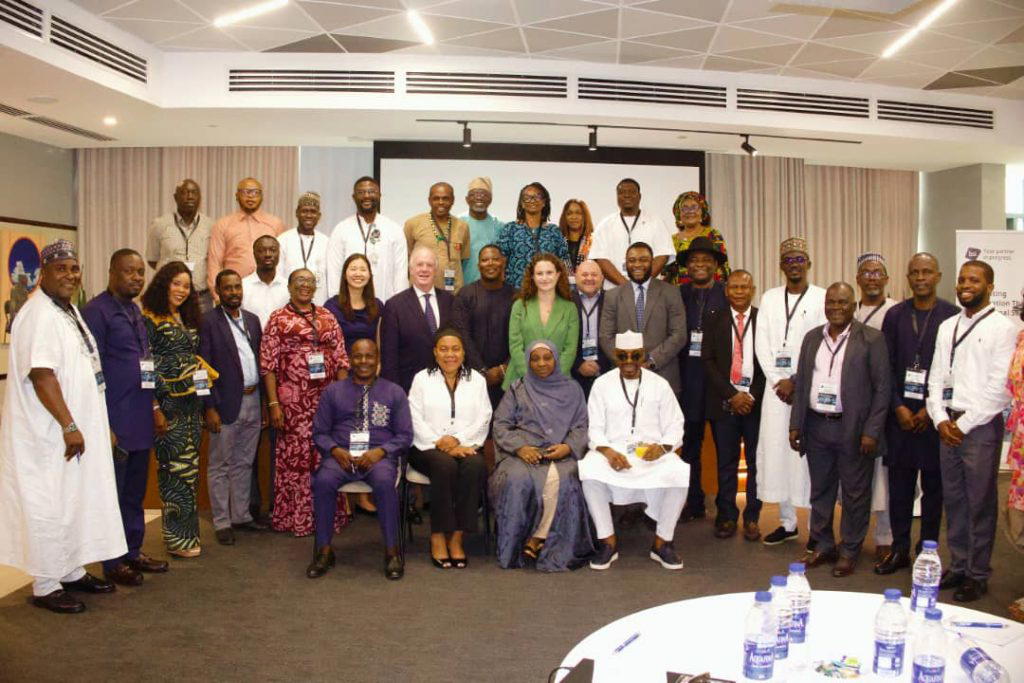
A cornerstone of this initiative was an Executive Workshop on AI Governance and Standards, meticulously delivered by BSI in conjunction with the National Centre for Artificial Intelligence and Robotics (NCAIR). This vital program, supported by the UK Government’s Digital Access Programme, brought together a diverse group of senior government officials, regulatory bodies, and technology practitioners. Their collective objective was to explore how internationally recognized standards can effectively underpin responsible AI adoption, robust risk management frameworks, and diligent oversight within Nigeria’s rapidly evolving technological landscape.
Pioneering Responsible AI Adoption
Participants at the workshop delved into critical international standards, including ISO/IEC 42001 for AI management systems and ISO/IEC 23894 for AI risk management. These standards provide a structured approach to managing AI systems responsibly, addressing potential biases, ensuring data privacy, and mitigating security vulnerabilities. The discussions also encompassed practical approaches to accountability and assurance, vital components for building public trust in AI technologies. The program culminated in a prestigious reception in Abuja, attended by key policymakers, regulators, standards experts, industry representatives, and development partners, celebrating the progress and future potential of the collaboration.
The UK's Commitment to Digital Partnerships
Speaking at the event, Grace Bell, First Secretary for Economic Partnerships and Digital at the British High Commission, emphasized the transformative potential of AI while highlighting the imperative for strong governance. "Artificial Intelligence presents enormous opportunities for economic growth, innovation and social development," Bell stated. "However, realising these benefits requires the right governance frameworks, strong institutions and trusted standards that can underpin safe, secure and responsible adoption." She affirmed the UK's pride in supporting Nigeria’s digital transformation agenda, noting that the collaborative efforts with BSI, the National Information Technology Development Agency (NITDA), the Standards Organisation of Nigeria (SON), and the Federal Ministry of Communications, Innovation and Digital Economy reflect a mutual dedication to standards-led growth.
Bell further articulated the strategic importance of standards, stating, "Standards are not simply technical tools; they are strategic enablers of innovation, investment, trade and public trust." She added, "By aligning around internationally recognised standards, we can help create the conditions for sustainable digital growth and unlock greater opportunities for businesses, governments and citizens." This perspective underscores the UK's broader strategy to support digital development through robust, globally recognized frameworks.
Nigeria's Vision for a Standards-Led Digital Future
Representing the Nigerian Government, Dr. Olubunmi Ajala, National Coordinator of NCAIR, lauded the collaboration for its tangible impact on institutional capacity building for AI governance. "Together, we have moved beyond theoretical conversations about emerging technology to build genuine, sovereign institutional capacity," Dr. Ajala remarked, advocating for the establishment of a permanent cross-government Community of Practice to sustain these advancements. Officials who successfully completed the intensive workshop received due recognition at a close-out event held at the Afreximbank Trade Centre, marking a significant milestone in Nigeria's journey towards digital maturity.
Expanding the Digital Horizon: Beyond AI
The scope of this dynamic partnership has already expanded beyond AI governance to encompass critical areas such as digital trade, digital public infrastructure, cybersecurity, and data protection. Furthermore, there is considerable potential for deeper cooperation on pressing issues like electronic waste management and e-health. The visit also included crucial engagements with the National Environmental Standards and Regulations Enforcement Agency (NESREA) and the Foreign, Commonwealth and Development Office’s Climate Finance team, aimed at assessing sustainable electronic waste management models and exploring avenues for enhanced collaboration on digital trade standards. Addressing e-waste is particularly vital for rapidly digitizing economies like Nigeria, as it mitigates environmental impact and promotes a circular economy.
The British High Commission reiterated the UK's ongoing commitment to working alongside BSI and Nigerian institutions. This sustained effort aims to promote standards that foster trust, enhance cybersecurity, strengthen data governance, and ensure interoperability across the entire digital economy. The overarching goal of this robust partnership is to translate Nigeria’s ambitious policy objectives into practical, impactful actions as the nation continues to develop its AI ecosystem and expand its digital services for the benefit of all citizens.
Why This Matters
This strengthened collaboration between the UK and Nigeria is pivotal for establishing a secure, ethical, and prosperous digital future in West Africa. By embedding international standards and building local capacity, the partnership not only accelerates Nigeria's digital transformation but also sets a precedent for responsible technological advancement across the continent, fostering innovation and economic growth while safeguarding public trust.