Key Takeaways
- Britain's GDP grew by 0.4% in Q2, a slowdown from previous growth.
- Political changes saw Andy Burnham replace Keir Starmer as Prime Minister.
- The ongoing US-Iran conflict is contributing to increased energy prices.
- Despite challenges, the services sector continues to show growth.
- New finance minister John Healey emphasizes the need for response to rising living costs.
The latest report from the Office for National Statistics (ONS) has revealed that the UK economy experienced a deceleration in growth during the second quarter of 2023. Despite these challenges, officials maintain that the overall output remains robust in the face of domestic political unrest and international conflicts.
According to the ONS, Britain's gross domestic product (GDP) increased by 0.4% during the April to June period, a notable decline from the 0.6% growth recorded in the first quarter. This indicates a slowing trajectory following a strong start to the year.
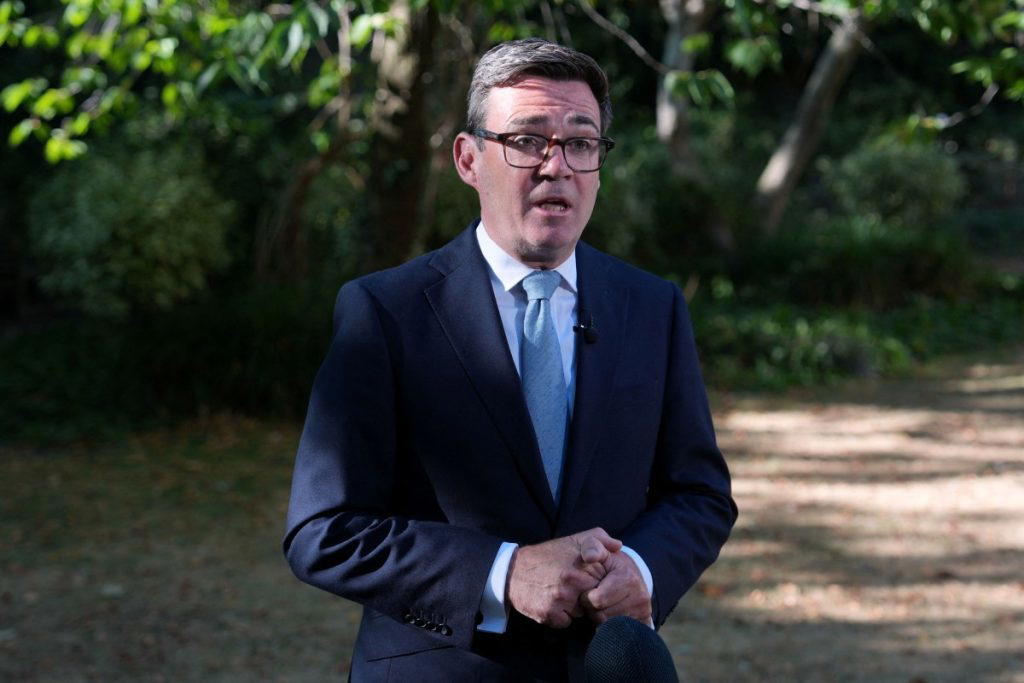
Significant political shifts have occurred within the Labour government, as Keir Starmer stepped down as Prime Minister in late June. His successor, Andy Burnham, is now facing increasing pressure as his party struggles against tough competition from the hard-right party Reform UK in public opinion polls.
In a statement following the GDP report, John Healey, the new finance minister, underscored the Labour government’s commitment to prioritizing British interests during these challenging times. He stated that the government aims to alleviate the financial strain on citizens, strengthen economic resilience, and restore hope in the nation.
The burden of elevated inflation continues to weigh heavily on millions of Britons, exacerbated by the rising energy costs driven by the ongoing US-Iran war. Healey acknowledged the mounting concerns about the conflict’s impact on living costs, calling it unjustifiably high and stressing its pressures on businesses.
The ONS data showed a 0.5% growth in the services sector as a key driver for the nation’s economic performance. The report highlighted that construction also expanded, while production output remained flat.
June’s economic performance notably improved, with a growth rate of 0.3%, rebounding after a stagnant May and slight dips earlier in the quarter. This growth was attributed to events like the recent football World Cup, which boosted turnovers in various industries including alcohol manufacturing and advertising.
However, concerns linger regarding real prospects for long-term economic growth. Stuart Morrison, a research manager at the British Chambers of Commerce, warned that headline figures could mask the significant cost pressures hindering sustainable business expansion. He called for forthcoming measures to enhance trade, investment, and productivity during Healey’s upcoming budget.
Amid these economic challenges, Burnham has prioritized easing the financial burden on households, including measures such as eliminating electricity taxes this winter. Additionally, the Bank of England has cautioned that inflation is likely to rise further as the conflict in the Middle East continues to elevate energy prices.
Why This Matters
The implications of slow economic growth coupled with rising inflation highlight critical challenges for the Labour government, as they navigate both domestic pressures and international conflicts. Strong governance and proactive measures are essential to stabilize the economy and improve the living conditions of citizens in the coming months.