Key Takeaways
- Nigerians are debating the appropriateness of hosting Tyla’s concert in Lagos.
- Many social media users cite ongoing xenophobic attacks against Nigerians in South Africa as a primary reason for the boycott.
- While some support the boycott, others argue music should transcend political issues.
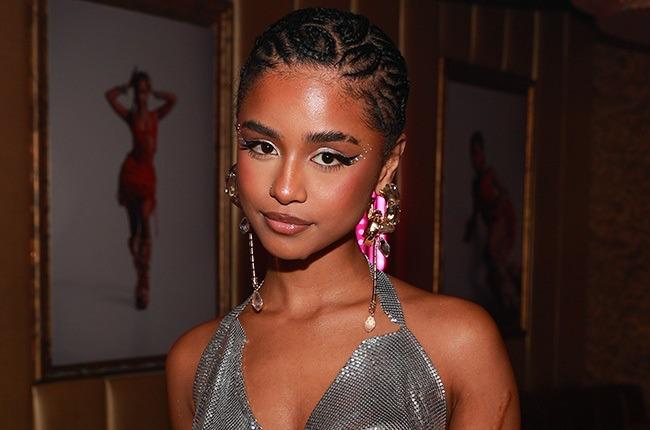
The announcement of South African singer Tyla's upcoming concert in Lagos has sparked intense debate among Nigerians on social media, highlighting a growing divide over issues of xenophobia. The concert, part of her APOP World Tour, is set for December 22, but feelings remain high following claims of violent incidents against Nigerians in South Africa.
Tyla, a Grammy-winning artist, unveiled her tour schedule recently, with performances planned in various countries including Nigeria before concluding with shows in Cape Town and Johannesburg. However, her Lagos event has incited backlash as many users question the appropriateness of hosting South African artists during a time of heightened tensions.
On X (formerly Twitter), numerous users have voiced their stance against the concert. User #Miz_Fey expressed frustration, stating, “Any Nigerian who attends Tyla’s concert in Lagos is just as useless as the government btw.” Another user, #FtoniaUc, passionately argued, “With what went down in South Africa against Nigerians, no South African artists should be hosting a concert in Nigeria. It’s the audacity for me!”
Other voices, like #BighomieRay, took a more assertive tone, saying, “If this concert holds successfully, then Nigerians are a bunch of idiots. Go and see what SA police are doing to Nigerians! They recently killed a Nigerian. None of them have spoken against it.” Similarly, #MetOrjiChukwudi called for a peaceful protest, stating, “As long as xenophobia continues to threaten the lives of Africans, including Nigerians, this is not the right time to support South African entertainment in Nigeria.”
However, the call for a boycott has received mixed reactions. Some, like #Emmanuel1135482, argue that admiration for Tyla should not be equated with supporting xenophobia, while user #cea9275 emphasized, “Political issues should never stop a musician from performing in the said country.” This sentiment raises questions about the role of music and art in bridging divides versus reflecting societal issues.
Criticism also emerged around holding the government accountable instead of solely blaming artists and event organizers. User #DoyeenOfLagos remarked, “We are quick to blame government! No be some people organise the event? No be some go attend it? Why are we not holding those accountable?”
Why This Matters
The debate surrounding Tyla’s concert reflects broader issues of identity, solidarity, and cultural intersections within Africa, especially in light of ongoing tensions. It emphasizes the need for conversations about accountability, justice, and unity among African nations.