Key Takeaways
- President Trump personally unveiled a new granite helipad on the White House South Lawn, designed to accommodate modern Marine One helicopters.
- The helipad is part of a broader series of construction projects initiated by Trump, including a controversial East Wing ballroom.
- Trump, a former real estate tycoon, emphasized his building expertise, stating, 'One thing I know how to do is build!'
- Critics have raised concerns about the cost and necessity of these projects, particularly the ballroom, which faces legal challenges and scrutiny over taxpayer funding.
- The construction efforts are seen as a concerted effort by Trump to leave a lasting physical legacy on the nation's capital during his presidency.
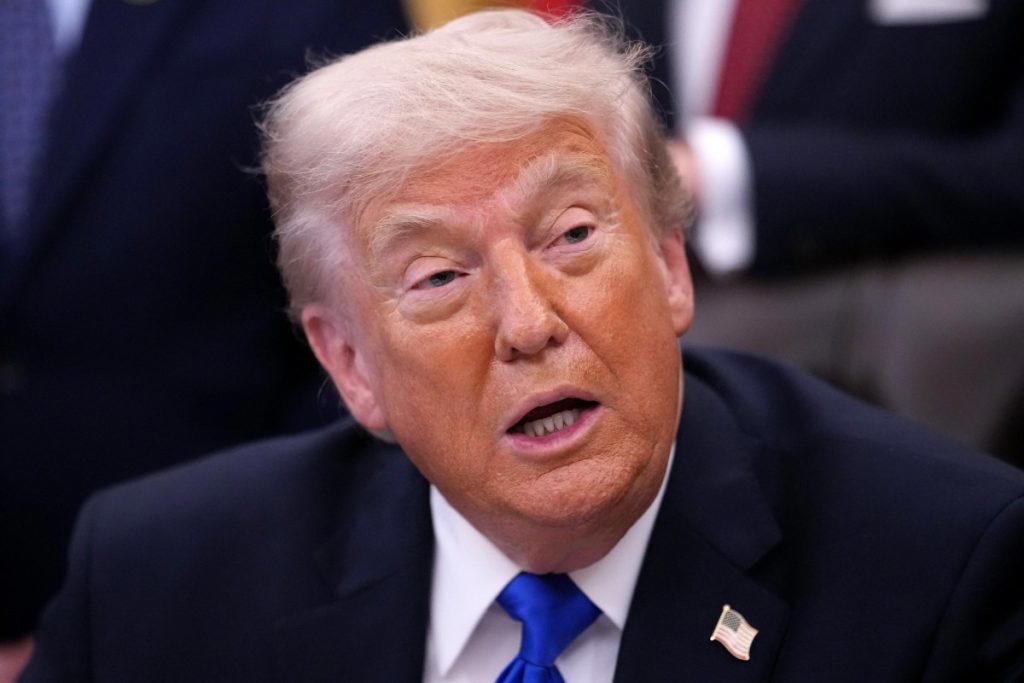
In a move that underscored his enduring identity as a builder, US President Donald Trump recently led an impromptu tour of a newly completed, giant granite helipad on the White House South Lawn. This latest addition is one of several ambitious construction projects undertaken during his administration, signaling a determined effort to reshape the physical landscape of Washington D.C. and leave an indelible mark on the nation's capital.
Amidst reports of a stalled Iran conflict abroad and a sluggish economy at home, the former property tycoon appeared invigorated as he showcased the new landing zone. “One thing I know how to do is build!” Trump proudly declared to assembled journalists, highlighting his background in real estate development.
The President explained that the robust granite helipad was a practical necessity. The next generation of Marine One helicopters, which are heavier and more powerful, would otherwise damage or scorch the historic grass of the iconic South Lawn. “So now with the helipad, we won’t have any problem with the grass,” Trump assured reporters, emphasizing the functional aspect of the upgrade.
Trump, whose fortune was forged in the competitive New York real estate market, also confirmed earlier reports that he had ordered the initial work on the landing spot to be redone. He cited an unacceptable slope in the original design, insisting on a perfectly level surface for the presidential aircraft. The new helipad is reportedly ready for the arrival of Chinese President Xi Jinping on September 24, underscoring its operational readiness for high-profile diplomatic events.
During the tour, Trump personally signed the back of a stone shaped like an eagle’s head, a symbolic piece that will be embedded into the pad. This stone is part of a giant replica of the Seal of the President of the United States, further personalizing the new structure.
Beyond the Helipad: A Controversial Vision
The construction of the helipad necessitated the temporary disruption of a significant portion of the historic South Lawn. This area has borne witness to countless pivotal moments in American history, from President Richard Nixon's departure after his 1974 resignation to the signing of the 1993 Oslo Accords. Such alterations to a site of profound historical significance have not been without their detractors.
Critics have voiced strong opposition to what they describe as a "building frenzy" during Trump's second term. Among the most contentious projects is the proposed demolition of parts of the East Wing to construct a massive new ballroom. Trump has openly boasted about the scale of this project, claiming it will feature a top-secret underground bunker and even a drone port on the roof. “This will be the greatest military complex-slash-ballroom anywhere in the world,” he asserted, highlighting its dual-purpose design.
Legal Battles and Financial Scrutiny
However, the ambitious ballroom project has been entangled in legal challenges. The Trump administration recently petitioned the US Supreme Court to allow construction to proceed, citing national security grounds. While Trump has consistently maintained that the ballroom would be privately financed, media investigations in June revealed that substantial taxpayer funds were being allocated to the project, which could potentially cost as much as $600 million. This discrepancy has fueled public debate and raised questions about fiscal responsibility.
The helipad and ballroom are just two examples of Trump’s broader vision to overhaul Washington D.C. by the end of his second term in January 2029. Other proposed pet projects include a renovation of the Lincoln Memorial Reflecting Pool, improvements to various city parks, and the construction of a triumphal arch, all aimed at cementing his legacy through monumental architecture.
Why This Matters
These extensive construction projects at the White House and across Washington D.C. reflect President Trump's unique approach to presidential legacy, prioritizing tangible, large-scale physical transformations. While proponents see these as necessary upgrades and symbols of national strength, critics question their cost, necessity, and impact on historical preservation, sparking a broader conversation about the appropriate balance between modernization and tradition in the nation's capital.