Key Takeaways
- US President Donald Trump has dispatched envoys Steve Witkoff and Jared Kushner to Moscow and Kyiv with a new plan to resolve the four-year conflict in Ukraine.
- The mission marks Washington's latest attempt to break a diplomatic stalemate in Europe's deadliest conflict since World War II.
- The envoys are expected to meet with Russian President Vladimir Putin and Ukrainian President Volodymyr Zelensky to gauge the possibility of peace.
- The diplomatic push occurs amid intensified long-range attacks by both Russia and Ukraine, leading to increased civilian casualties.
- Ukrainian President Zelensky proposed a reciprocal ceasefire during the envoys' visit, a proposal Russia has not yet publicly addressed.
In a significant diplomatic maneuver, US President Donald Trump announced Friday that he is sending high-profile envoys Steve Witkoff and Jared Kushner to Moscow and Kyiv. Their mission: to present a comprehensive plan aimed at bringing an end to the more than four-year-long war in Ukraine, a conflict that has ravaged the region since Russia's full-scale invasion in 2022.
This initiative represents Washington's most recent and direct effort to unblock a persistent diplomatic impasse in what has become Europe's deadliest conflict since the Second World War. A senior Ukrainian official confirmed to AFP that the American negotiators were anticipated in Kyiv on Sunday. Meanwhile, US outlet Axios reported that the envoys were slated to meet Russian President Vladimir Putin in Moscow on Saturday before proceeding to Kyiv to engage with President Volodymyr Zelensky. The Kremlin, however, has refrained from commenting on the reported meetings.
The Diplomatic Mission and Its Stakes
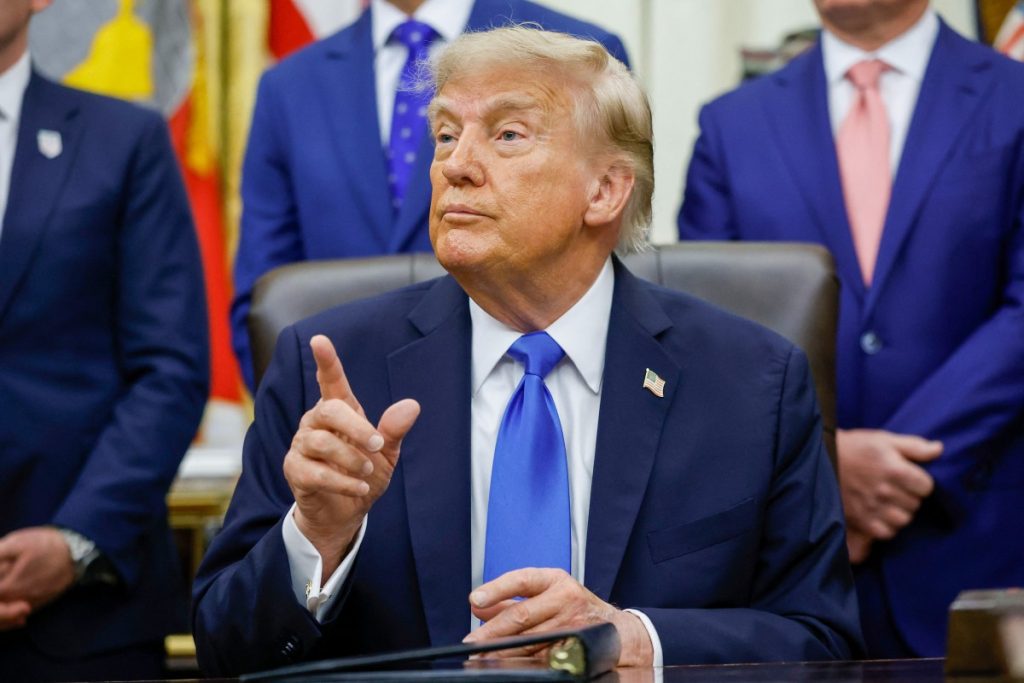
President Trump conveyed to reporters that the primary objective for Witkoff, a prominent businessman and long-time friend, and Kushner, his son-in-law, is to assess the viability of achieving a peaceful resolution. “I sent Steve Witkoff and Jared Kushner, two great negotiators. They’ve done a great job, and we sent them over to see whether or not we can get something done. And there may be a good chance that we’ll do it,” Trump stated, adding, “They’re bringing with them a proposal to end the war.”
This trip marks the first time Witkoff and Kushner have visited war-torn Kyiv since Trump's return to office last year, a return predicated on a pledge to swiftly resolve the conflict. Both individuals have prior experience in sensitive international negotiations, having been involved in efforts to secure ceasefires in Gaza and Iran, and have made repeated trips to Moscow in previous diplomatic attempts. Their involvement underscores the high priority the Trump administration is placing on this peace initiative.
Escalating Conflict Amidst Peace Efforts
The renewed diplomatic push comes at a critical juncture, as both Russia and Ukraine have intensified their long-range missile and drone attacks. These escalations have driven civilian casualties to levels not witnessed since the initial stages of the conflict, further complicating any path to peace. Just hours before Trump's announcement, a Russian drone reportedly struck the headquarters of Ukraine’s SBU security service in central Kyiv, a strike President Zelensky described as targeting the agency’s acting chief’s office—an unprecedented attack on the SBU headquarters since the invasion began.
Despite the gravity of this strike, President Zelensky proposed a reciprocal ceasefire for the duration of the US envoys’ visit. “There will be no airstrikes on our part, and Russia must reciprocally ensure a ceasefire — without its own airstrikes — for the duration needed to conduct these talks,” he declared in his evening address. Russia has yet to respond to this proposal. Hours later, a Russian strike in Kamianske, Dnipropetrovsk region, killed four people and wounded five, highlighting the ongoing violence.
The Proposed Plan and Broader Context
While President Trump remained tight-lipped about the specifics of the peace plan, he did not confirm whether it involved Ukraine ceding territory, a suggestion he has made in the past. He simply stated, “We have an idea for peace.” The challenges of negotiating a peace deal that addresses territorial integrity, security guarantees, and humanitarian concerns are immense, given the entrenched positions of both sides.
This diplomatic initiative also follows a rare visit to Moscow by CIA director John Ratcliffe just over a week prior, during which he reportedly warned Russia against any attacks on NATO member states. Earlier in the week, the United States also welcomed the Russian finance minister at a G20 gathering in North Carolina, signaling a complex and multi-faceted engagement strategy with Moscow.
Why This Matters
The dispatch of high-level envoys with a concrete peace proposal signifies a potentially pivotal moment in the Ukraine conflict, reflecting a renewed and direct US commitment to finding a resolution. The success or failure of this mission could profoundly impact the geopolitical landscape, the future of European security, and the humanitarian crisis, making it a critical test of diplomatic will amidst ongoing hostilities.