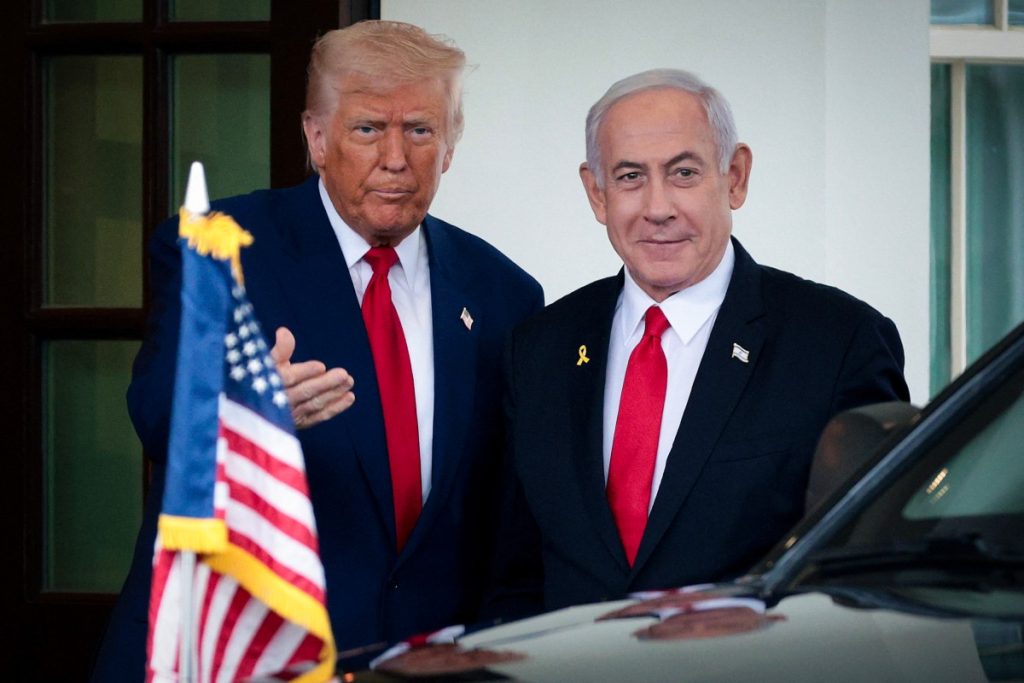
Key Takeaways
- The United States and Israel have agreed to delay new strikes on Iran, pending the rapid negotiation of a deal to end the conflict.
- President Trump stated that the deal must include the immediate and complete opening of the Hormuz Strait and an end to Iran's nuclear threat.
- The conflict, which began on February 28, has caused global oil prices to rise and poses a challenge for the US ahead of midterm elections.
The ongoing conflict between the United States, Israel, and Iran has taken a tentative step towards de-escalation, as President Donald Trump announced on Saturday that he had agreed to delay new strikes on Iran, subject to the rapid negotiation of a deal to end the conflict.
The deal, as outlined by Trump, would require the immediate and complete opening of the Hormuz Strait, a vital waterway through which much of the world's oil is transported, as well as an end to Iran's nuclear threat. Trump stated that the delay in strikes was made at the request of Tehran and other Middle Eastern countries, and that the US was 'locked and loaded' but willing to hold off in the interests of a successful and prosperous Iran.
Background and Context
The conflict, which began on February 28, has been marked by periods of intense fighting and temporary ceasefires, with the most recent lull in violence ending in recent weeks as hostilities resumed. The US and Israel have been seeking to pressure Iran into accepting a deal, but the country has maintained control over the Hormuz Strait, requiring vessels to obtain permission and pay transit fees before using the waterway.
The global oil prices have risen as a result of the conflict, and the US has been working to ensure the free flow of oil through the region. The US Secretary of State, Marco Rubio, stated earlier in the week that the US had 'wiped out' much of Iran's defenses, and that Tehran was now willing to do a deal on denuclearization and the straits.
Regional Implications
The conflict has also had implications for the wider region, with Saudi Arabia and other Gulf countries expressing concerns about the potential for further escalation. The Saudi Crown Prince, Mohammed Bin Salman, reportedly called Trump on Saturday to urge him to de-escalate and refrain from launching new strikes.
In addition, there have been reports of drone strikes and other attacks on ships in the region, including a drone strike on a US-owned gas vessel moored in an Egyptian port, and an 'unknown projectile' striking a tanker off the coast of Oman.
Why This Matters
The delay in strikes on Iran is a significant development in the ongoing conflict, and raises hopes that a deal may be reached to end the violence. However, the situation remains fragile, and any further escalation could have serious consequences for global oil prices and regional stability. The US and its allies will be closely watching the situation, as they seek to balance their interests with the need to prevent further conflict in the region.