- Nigeria is pushing for a permanent seat on the UN Security Council.
- Ambassador Jimoh Ibrahim emphasizes President Tinubu's commitment to African representation.
- The current UN Security Council structure is over 80 years old.
- Africa remains unrepresented in the permanent members of the Council.
- Negotiations are underway, with optimism for reform.
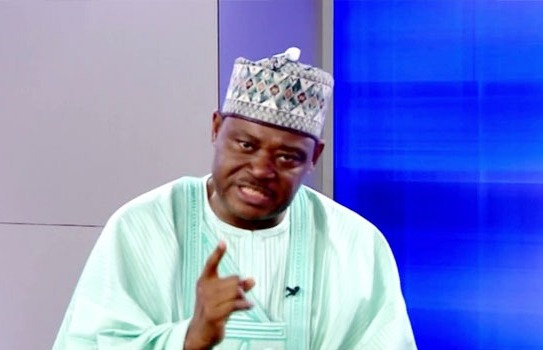
Nigeria's Permanent Representative to the United Nations, Ambassador Jimoh Ibrahim, has expressed his unwavering confidence that President Bola Tinubu will successfully secure a permanent seat for Nigeria on the United Nations Security Council (UNSC). Ambassador Ibrahim emphasized that President Tinubu is firmly committed to promoting greater African representation within the global body.
In a recent interview on Channels Television, Ibrahim outlined Tinubu's concerns regarding the lack of representation for African nations among the permanent members of the Council, noting that this issue has been a significant point of contention for the President. “His major argument is that why is it that the United Nations did not admit any African country into the permanent seat of the Security Council? This worries him a lot,” Ibrahim stated, highlighting the gravity of the situation.
According to the ambassador, President Tinubu has consistently leveraged international platforms to advocate for comprehensive reforms aimed at guaranteeing Africa, and particularly Nigeria, a permanent seat at the Council's table. Ibrahim remarked, “His speeches pointed to the fact that he was not happy with the idea of the UN not admitting Africa, particularly Nigeria, to the Security Council.”
The UNSC is currently made up of five permanent members—China, France, Russia, the United Kingdom, and the United States—collectively known as the P5, each wielding veto power over substantive resolutions. Additionally, there are 10 non-permanent members elected for two-year terms. Nigeria last held a non-permanent seat from 2014 to 2015, marking its fifth tenure on the council.
Nigeria’s advocacy for a permanent seat is grounded in its substantial population, economic clout, and significant contributions to UN peacekeeping missions. However, Ibrahim acknowledged the complexities in reforming the Security Council, given that its current structure was established around 80 years ago, long before many African nations, including Nigeria, achieved independence.
Despite these challenges, Ibrahim remains optimistic about ongoing negotiations, insisting, “The good news is I can assure you that President Tinubu will secure a Security Council seat very soon.” He further noted that the President has been in discussions with Ghanaian President John Mahama, who has recently played a pivotal role in securing the United Nations' recognition of the transatlantic slave trade as a grave crime against humanity, showcasing the rising influence of African leaders in global affairs.
Why This Matters
The potential for Nigeria to secure a permanent seat in the UNSC would not only enhance its geopolitical standing but also amplify Africa's voice in global governance.