Key Takeaways
- Presidential aide Daniel Bwala argues Cardinal John Onaiyekan’s comments on the nation’s state were partisan and not representative of the entire Christian community
- Bwala suggests the Catholic institution supported Labour Party candidate Peter Obi during the 2023 general election
- The aide defends President Tinubu’s right to disagree with the bishops’ economic assessment based on facts and statistics
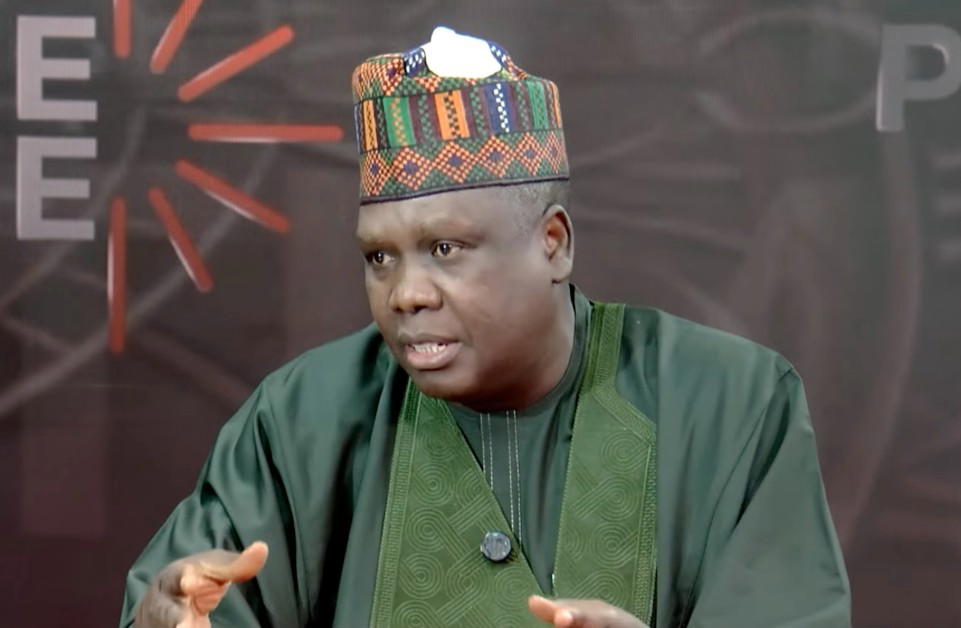
The recent comments made by Cardinal John Onaiyekan regarding the state of the nation have sparked controversy, with some arguing that his views do not accurately represent the sentiments of the entire Christian community. Special Adviser to President Bola Tinubu on Policy Communication, Daniel Bwala, has weighed in on the matter, stating that the Cardinal was speaking specifically for Catholics, rather than Christians as a whole.
Bwala’s assertion is rooted in the notion that the Catholic institution had thrown its support behind the presidential candidate of the Labour Party, Mr Peter Obi, during the 2023 general election. This, according to Bwala, colours the Cardinal’s comments and lends them a political rather than spiritual tone. The aide posits that not all Catholic faithful necessarily support Obi, and therefore, the Cardinal’s views should not be taken as representative of every member of the church.
The Economic Assessment Debate
The presidential aide has also come to the defence of President Tinubu’s response to the bishops’ assessment of the country’s economic situation. According to Bwala, the President was well within his right to disagree with the bishops’ assertions, given the availability of facts, statistics, and data that could be used to inform his position. This, Bwala argues, is a matter of interpreting the evidence at hand, rather than simply accepting the bishops’ viewpoint.
Bwala further critiques what he perceives as a contradiction in certain religious teachings, wherein some clerics encourage their followers to maintain a positive outlook despite personal challenges. The aide contends that the broader Christian body, comprising various denominations including Catholics, should remain neutral and not be transformed into a political platform.
Why This Matters
The distinction between the Catholic institution’s stance and that of the broader Christian community is crucial, as it highlights the importance of contextual understanding in evaluating the comments of prominent religious figures. By recognizing the potential for partisan bias, individuals can engage in more nuanced discussions about the role of religion in politics and the need for informed, evidence-based decision-making.