Key Takeaways
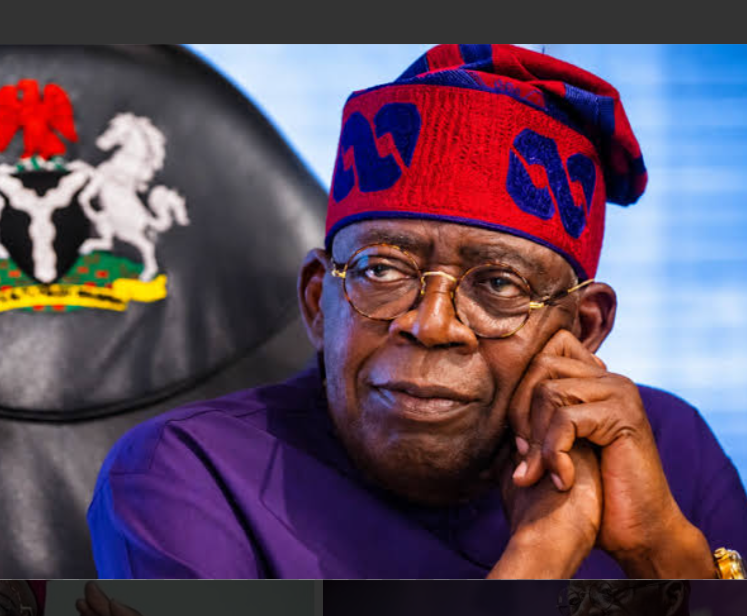
- President Bola Tinubu led a high-profile delegation at the Lagos premiere of 'MKO', a documentary on Chief MKO Abiola.
- The film, directed by Nigerian-American filmmaker Ose Oyamendan, chronicles Abiola's life, political career, and the annulled June 12, 1993 presidential election.
- 'MKO' features extensive archival materials and first-hand accounts from key figures involved in Nigeria's pro-democracy movement.
- Scheduled for nationwide cinema release, the documentary seeks to educate a wider audience on Abiola's enduring legacy and the struggle for democracy.
- The event underscored the national significance of Abiola's contributions, drawing senior government officials, political leaders, and cultural figures.
President Bola Tinubu on Thursday graced the official launch and premiere of 'MKO', a compelling documentary dedicated to the life and enduring legacy of the late Chief MKO Abiola. The prestigious event, held at the Wole Soyinka Centre for Culture and the Creative Arts in Lagos, served as a poignant prelude to the film's highly anticipated nationwide cinema release, scheduled for Friday.
The documentary, simply titled 'MKO', is a profound exploration of Abiola's remarkable journey, his impactful political career, and his indelible mark on Nigeria's democratic history. Directed by the acclaimed Nigerian-American filmmaker Ose Oyamendan, the film meticulously chronicles the events surrounding the watershed June 12, 1993 presidential election, widely regarded as Nigeria's freest and fairest, which was controversially annulled by the then-military government.
Beyond the election itself, 'MKO' delves into Abiola's subsequent detention, a period that ignited a fervent pro-democracy struggle across the nation. It examines the broader campaign for the restoration of democratic governance and highlights the immense sacrifices made by countless individuals who championed the cause of freedom and justice. Abiola, widely recognized as the presumed winner of that historic election, became a powerful symbol of resistance against military rule.
A Deep Dive into History and Legacy
The film's narrative is enriched by a wealth of archival materials and compelling first-hand accounts from key personalities intimately connected with the political events of the June 12 era. These invaluable resources provide critical historical perspectives on Abiola's political activities, the circumstances of his detention, and the powerful pro-democracy movement that emerged in the aftermath of the annulled election. The documentary had its international premiere at the Sheffield International Documentary Festival in the United Kingdom in June 2026, garnering early acclaim.
The Lagos premiere was a convergence of Nigeria's political elite and cultural luminaries. President Tinubu's presence, alongside First Lady Senator Oluremi Tinubu, underscored the profound significance attached to Abiola's place in Nigeria's democratic narrative. The presidential delegation was robust, including Senate President Godswill Akpabio, Lagos State Governor Babajide Sanwo-Olu, Ogun State Governor Dapo Abiodun, and Kwara State Governor AbdulRahman AbdulRazaq. Also in attendance were Deputy Senate President Jibrin Barau, Deputy Speaker of the House of Representatives Benjamin Kalu, Chief of Staff to the President Femi Gbajabiamila, and Minister of Art, Culture, Tourism and the Creative Economy Hannatu Musawa, among other distinguished guests like former Ogun State Governor Segun Osoba.
This gathering provided a crucial opportunity to reflect on Abiola's enduring political legacy and the pivotal historical events that ultimately paved the way for Nigeria's return to democratic rule. Abiola's emergence as the presumed winner of the 1993 election remains inextricably linked to Nigeria's pro-democracy struggle, and his detention became a defining episode in the sustained campaign against military dictatorship. The documentary masterfully intertwines Abiola's personal story with the wider political and historical circumstances that shaped Nigeria's complex transition to democracy.
Why This Matters
The nationwide cinema release of 'MKO' is poised to make this critical historical account accessible to a broader spectrum of Nigerians, transcending those directly connected with the events. This initiative not only serves as a vital educational tool for younger generations but also reinforces the continuing national interest in documenting and preserving major episodes that have profoundly shaped Nigeria's political development and democratic experience, ensuring that the sacrifices made for freedom are never forgotten.
}