Key Takeaways
- Wike attributes Adeleke's victory to free electoral conditions.
- Claims of federal government intervention in the election were firmly rejected.
- The outcome may not predict trends for the upcoming presidential election.
Election Results and Reactions
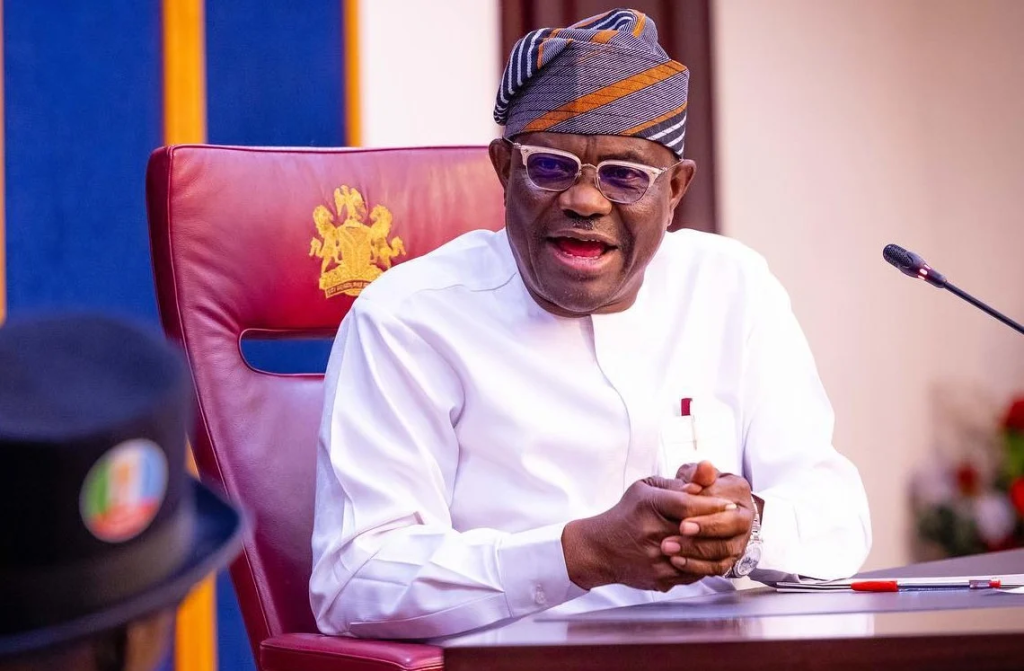
In a recent statement, Nyesom Wike, the Minister of the Federal Capital Territory (FCT), discussed the implications of the August 15 Osun State governorship election. He praised President Bola Tinubu for ensuring that the electoral process was conducted in a free and fair manner, enabling Governor Ademola Adeleke to secure a decisive victory.
Wike made these remarks during an inspection of flood-affected regions in the FCT. He dismissed accusations suggesting that the Federal Government had manipulated the election results in favor of the ruling All Progressives Congress (APC). According to Wike, the presidential administration did not wield its power to suppress opposition or tilt the election outcome.
Specifically, Wike pointed out that Adeleke’s success at the polls was contingent upon the absence of federal interference. He emphasized, “If Tinubu did not allow a free and fair election, would they have won? No!” This statement came as a rebuttal to suggestions that the government had exerted its influence to assist APC candidate Bola Oyebamiji in the election.
In the election results, Adeleke, running for the Accord Party, garnered 511,067 votes, outperforming Oyebamiji, who collected 444,815 votes—an impressive winning margin of 66,252 votes. While Adeleke triumphed in 19 out of 30 local government areas, Oyebamiji only secured 11, showcasing a strong mandate from the electorate.
Looking Ahead
Despite the enthusiasm surrounding Adeleke’s victory, Wike urged caution regarding the implications of this governorship election on future electoral contests, particularly the 2027 presidential race. He noted that the political landscape for an off-cycle governorship election can differ greatly from that of a national election.
Addressing Flooding Challenges
Additionally, Wike spoke on the ongoing flooding issues plaguing parts of the FCT. He warned against politicizing these incidents without addressing their underlying causes. Wike criticized some critics for using flooding events to unfairly target the administration, arguing that both governmental authorities and residents share the blame for obstructed waterways and drainage systems.
Furthermore, Wike clarified that it is inaccurate to place the burden of flooding solely on impoverished residents. Many of the structures restricting drainage facilities, according to him, were erected by affluent individuals and have existed for years, predating the current administration. He emphasized that effectively tackling flooding requires confronting the real causes while enforcing regulations around constructions near waterways.
Why This Matters
The dialogue surrounding the Osun State election and the minister's comments highlight crucial discussions about electoral integrity and infrastructure management. As Nigeria prepares for future elections, ensuring fair practices and addressing systemic issues like flooding will be vital for maintaining public trust in government.