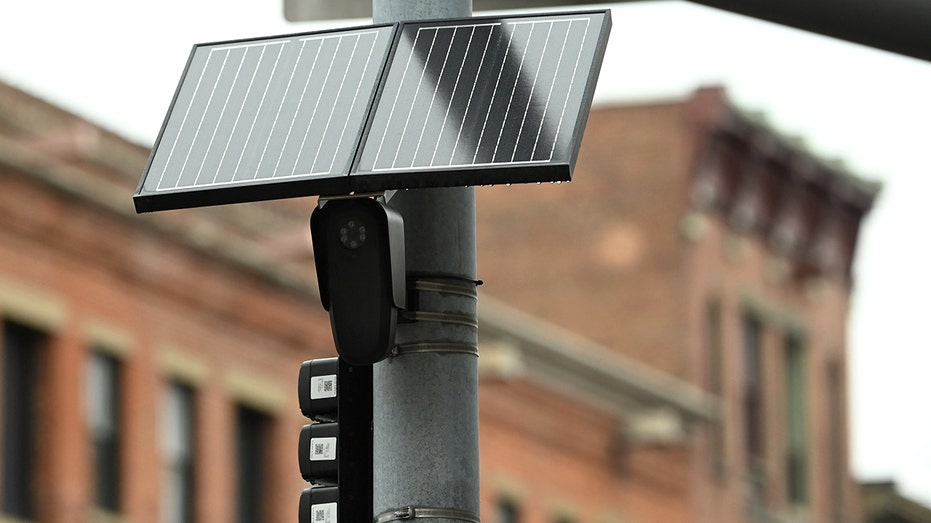
- ALPRs are increasingly used by law enforcement, municipalities, and businesses.
- There are concerns about privacy and the potential misuse of data.
- Legal interpretations of privacy rights regarding ALPRs are evolving.
- Legislative measures are being proposed to limit their use.
Automated License Plate Readers (ALPRs) have quietly turned into one of the most prevalent surveillance technologies utilized across the United States. These devices, typically small cameras mounted on poles, buildings, or vehicles, capture the details of millions of vehicles daily, including license plate numbers, makes, models, colors, and even unique features, thereby generating what Flock Safety, a leading ALPR provider, calls a “vehicle fingerprint.”
Flock’s popularity has surged in recent years, operating in over 6,000 communities and working with more than 5,000 law enforcement agencies, according to company claims. The American Civil Liberties Union (ACLU) estimates that there are between 80,000 to 100,000 ALPRs deployed nationwide, resulting in billions of vehicle scans each month. This data is then often stored in searchable databases and can be shared across jurisdictions without a warrant.
However, the use of ALPRs raises significant privacy concerns. Advocates argue that it is not simply the individual photographs taken by these cameras that are troubling, but the potential for creating detailed profiles based on aggregated data. This data can depict a person’s routines and associations over time, forming a mosaic of their life accessible by law enforcement without judicial oversight.
The Electronic Frontier Foundation has uncovered instances where ALPR search logs were linked to activities such as protests, illuminating the potential for misuse. There have been reports of officers conducting searches on personal acquaintances or improperly stopping drivers based on erroneous scans.
Supporters of ALPR technology, including law enforcement, argue that these tools enhance their ability to solve crimes efficiently. They contend that the information gleaned from license plates is readily available in public, and notify that the technology is only as intrusive as what a bystander could observe.
Legal precedents regarding ALPRs are still being established. Courts have generally upheld that individuals do not have an expectation of privacy regarding their movements in public. However, recent rulings, including the Fifth Circuit’s decision in United States v. Elijah Porter, have suggested that while periodic captures of movement do not constitute a Fourth Amendment search, an influx of cameras might cross constitutional boundaries based on density and capability.
In response to ongoing concerns, legislation has emerged, such as Rep. Tim Burchett’s proposed “Protection Against Mass Surveillance Act,” aimed at prohibiting federal funding for mass tracking technologies. Burchett has articulated that Americans deserve to feel safe without sacrificing their liberties.
Why This Matters
The expanding deployment of ALPR technology poses crucial questions about privacy rights, surveillance, and the balance between security and individual freedoms in America.