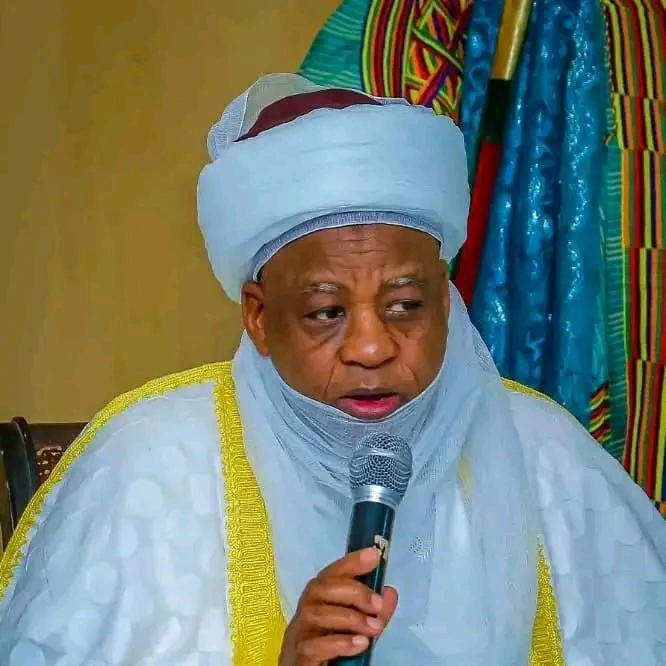
ABUJA — The Sultan of Sokoto and President-General of the Nigeria Supreme Council for Islamic Affairs (NSCIA), Muhammad Sa’ad Abubakar III, has declared that nobody should be forced to embrace Islam, urging Muslims to respect the rights and freedoms of people of other faiths
The Sultan spoke at the NSCIA General Assembly at the National Mosque, Abuja, where he stressed that conversion to Islam must be based on an individual’s free will
“We do not intend to force anybody to join Islam,” he said
“But we have seen how many people have been joining Islam on their own free will because Almighty Allah said there is no compulsion in religion”
The Sultan’s position comes against the backdrop of recurring concerns over religious intolerance and tensions between adherents of different faiths in the country
He has also, in recent weeks, called on Christians and Muslims to refrain from insulting one another, saying mutual respect was essential for peaceful coexistence
Speaking in Abuja at the International Conference on National Security for Socio-economic Development, organised by Jama’atu Izalatil Bidiah wa Iqamatis Sunnah (JIBWIS Nigeria) in collaboration with the Muslim World League of Saudi Arabia, Abubakar urged adherents of both faiths to promote tolerance
“We must be honest with ourselves that Christians can stop insulting Muslims,” he said
“Muslims can stop insulting Christians And that’s how we live in peace.”
The Sultan said neither Muslims nor Christians should regard themselves as superior to the other, stressing that all people were equal before God
Meanwhile, the NSCIA Secretary-General, Prof Ishaq Oloyede, called on Muslim parents to ensure that their children receive both Islamic and Western education.
Oloyede said the current generation must acquire both forms of education to adequately contribute to national development
“The most educationally disadvantaged states are Muslim states,” he said
“The current generation must be sound in both Islamic and Western education”
He also advocated greater representation of qualified Muslims in the media and employment, urging Muslim leaders to ensure that competent members of the community were considered for key positions
On Hajj, Oloyede questioned the continued involvement of government in organising the pilgrimage, arguing that its role should largely be limited to facilitating the exercise
He also cautioned against government sponsorship of people who could not afford the pilgrimage
The NSCIA leadership’s comments came amid broader calls for religious tolerance, educational advancement and greater participation of Muslims in national affairs