Key Takeaways
- Tertiary institutions in the South-East are demanding increased TETFund intervention in critical areas like infrastructure, ICT, and campus security.
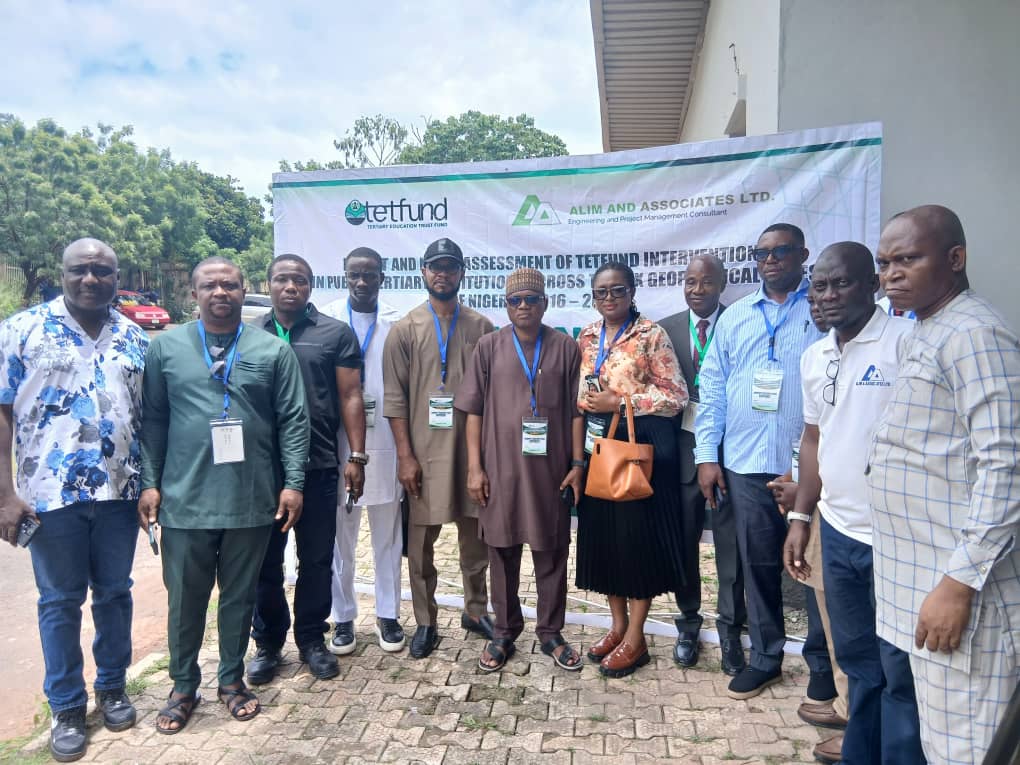
- The call was made during a community engagement forum, part of an impact and needs assessment by TETFund and its consultants, Alim & Associates.
- The assessment covered 22 institutions from Enugu and Ebonyi states, aiming to refine a preliminary report based on stakeholder feedback.
- Key needs identified include erosion control, internal roads, perimeter fencing, upgraded facilities, and enhanced security measures, including accommodation for security personnel.
- Stakeholders emphasized the importance of accurate data to ensure TETFund's interventions are precisely targeted and genuinely needed.
- The findings from this regional engagement will contribute to a national master document guiding future TETFund allocations across Nigeria.
Tertiary institutions across Nigeria's South-East region are intensifying their appeals to the Tertiary Education Trust Fund (TETFund) for substantial interventions in crucial areas, including infrastructure development, information and communication technology (ICT) enhancement, and robust campus security. This urgent call was a central theme at a recent community engagement forum, a pivotal component of an ongoing impact and needs assessment spearheaded by TETFund in collaboration with its consultants, Alim & Associates.
The forum served as a vital platform for stakeholders to review a preliminary report on TETFund's interventions, offering an opportunity to identify gaps and discuss pressing issues. Professor Tony Renish of the University of Nigeria, Nsukka (UNN), who serves as Deputy National Research Lead and South-East Coordinator for data collection, confirmed that 22 institutions from Enugu and Ebonyi states actively participated in this comprehensive assessment. “We have written a report, and the essence of this community engagement is for representatives of the institutions to review the report, identify the gaps and discuss the issues so that the final report will reflect the actual needs of the institutions,” Professor Renish stated, underscoring the collaborative nature of the exercise.
Professor FO. Anafi, the Team Lead for the Impact and Needs Assessment Project, elaborated on the rigorous methodology employed to gather data for the initial report. This included the distribution of questionnaires, conducting in-depth interviews, facilitating focus group discussions, and undertaking direct visits to various project sites. He emphasized that the engagement was specifically designed to empower participating institutions to correct any inaccuracies and provide additional, crucial information before the final report is compiled.
The Managing Partner of Alim & Associates, Engineer MA. Yusuf, highlighted the broader implications of the regional assessment. He confirmed that the outcomes of the South-East exercise would be presented at a national engagement scheduled for Abuja. These findings will then be harmonized into a comprehensive master document, which is set to serve as a definitive guide for shaping future TETFund interventions across the nation.
Among the specific needs articulated by institutional representatives, Dr. Nkiruka Akabike, a Deputy Rector at Federal Polytechnic Oko, stressed the critical importance of accurate data. “It is one thing to give you an intervention; it is another thing to give you a needed intervention,” she remarked, advocating for targeted support. Dr. Akabike pinpointed several major requirements for her institution, including effective erosion control, improvement of internal road networks, construction of perimeter fencing, enhanced security measures, and the vital upgrading of existing facilities.
Echoing the call for improved security, Dr. Okoro Nwaeze Ogbonnaya, a community leader from the area hosting David Nweze Umahi University of Medical Sciences, urged TETFund to bolster security interventions. He specifically recommended the provision of accommodation for security personnel within university premises, arguing that such a measure would enable prompt responses to threats, particularly crucial for institutions operating a 100 percent boarding system.
Professor Josaphat Chukwuemeka Onwumere, Deputy Vice-Chancellor of UNN Enugu Campus, appealed to TETFund to sustain and expand its interventions. He highlighted the unique challenges faced by first-generation universities, which grapple with serious infrastructural deficits stemming from ageing facilities and rapidly increasing student populations. Professor Onwumere called for more hostels, classrooms, faculty buildings, erosion control projects, and, significantly, advanced ICT facilities. “Today’s world is driven by technology, especially ICT. Such interventions are very necessary and critical, and we need more of it in the University of Nigeria,” he asserted, also urging TETFund to give equitable attention to the diverse needs of universities, polytechnics, and colleges of education nationwide.
Why This Matters
The concerted call from South-East tertiary institutions for enhanced TETFund interventions underscores the urgent need to modernize and secure Nigeria's higher education landscape. Addressing these critical gaps in infrastructure, ICT, and security is paramount for fostering a conducive learning environment, improving academic standards, and ensuring that Nigerian graduates are globally competitive in an increasingly technology-driven world.