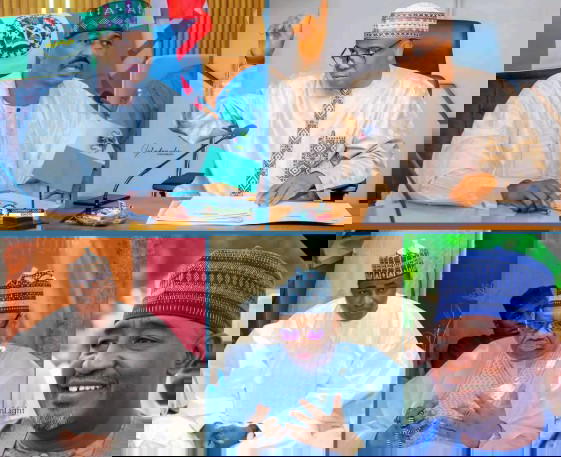
Sokoto, Nigeria – As the political landscape across Nigeria begins to buzz with early permutations for the 2027 governorship elections, Sokoto State is rapidly emerging as a pivotal arena. The North-West state is poised for a closely watched contest, characterized by intricate alliances, shifting loyalties, and fervent ambitions already driving strategic positioning among key political players.
At the forefront of this nascent race are the ruling All Progressives Congress (APC), the ascendant African Democratic Congress (ADC), and a Peoples Democratic Party (PDP) grappling with significant internal divisions. Each party is actively laying groundwork, signaling an intense electoral showdown in the coming years.
The Incumbent's Formidable Advantage: Governor Aliyu and the APC
Central to the 2027 contest is the widely anticipated bid by incumbent Governor Ahmed Aliyu for a second term under the APC banner. Having secured victory in a keenly contested election, his administration now confronts the dual challenge of solidifying its achievements while meticulously preparing for another rigorous electoral test.
Governor Aliyu enters the race wielding the significant advantages of incumbency. These include unfettered control over state apparatus, strategic access to governmental resources, and the unwavering backing of a network of political appointees. Furthermore, his campaign is expected to benefit profoundly from the enduring support of his political mentor, former governor and distinguished senator Aliyu Magatakarda Wamakko. Wamakko's expansive and deeply rooted grassroots network remains an invaluable asset for the APC, capable of mobilizing substantial support across the state. Political analysts underscore the potency of this alliance, suggesting it could form a robust base for statewide mobilization, providing the APC with a significant organizational edge.
ADC's Resurgence: An Emerging Opposition Force
Despite the APC's dominant position, opposition parties are proactively exploring avenues to dismantle its stronghold ahead of 2027. The African Democratic Congress (ADC) has notably intensified its efforts, embarking on an aggressive grassroots mobilization drive. This strategy involves robust membership recruitment campaigns, direct community engagement initiatives, and strategic outreach programs designed to cement the party's image as a credible and viable alternative to the incumbent.
The ADC platform is reportedly attracting interest from several prominent political figures who are considering vying for the governorship ticket. These potential aspirants represent a diverse cross-section of leadership and experience:
- Former Minister of Transport, Yusuf Suleiman
- Former Deputy Governor, Manir Muhammad Dan Iya
- Former Commissioner and diplomat, Faruku Malami Yabo
- Renowned Islamic scholar, Sheikh Bashir Dan Fili
Supporters of these potential candidates are keenly observing the escalating insecurity in the North-West, anticipating it will emerge as a defining issue of the campaign. Within ADC circles, there is palpable criticism regarding what is perceived as an inadequate response to the pervasive banditry, kidnapping, and violent killings plaguing various parts of the region. The party also aims to capitalize on growing public dissatisfaction with the perceived slow pace of federal efforts to effectively address these critical security challenges. ADC strategists are particularly focused on rural communities, recognizing their disproportionate electoral weight and their potential to significantly sway election outcomes.
PDP's Internal Strife: A Divided House Seeking Unity
Meanwhile, the Peoples Democratic Party (PDP) continues to grapple with persistent internal divisions that have undeniably weakened its once formidable position in Sokoto State. The party remains fractured into distinct factions at both national and state levels, raising serious concerns about its capacity to present a united and coherent front in the approaching election.
One prominent faction, closely aligned with FCT Minister Nyesom Wike, recently spearheaded a comprehensive training exercise in Sokoto. This initiative served as a precursor to an ambitious electronic membership registration drive slated to span all 244 wards across the state, signaling a strategic attempt to bolster its grassroots presence. This Wike-aligned effort was notably overseen by former Commissioner for Water Resources, Dahiru Yusuf Yabo, further illustrating ongoing attempts to consolidate influence at the local level.
Concurrently, another significant faction, led by Bello Aliyu Goronyo and aligned with former minister Kabiru Tanimu Turaki, is also working diligently to maintain and fortify its existing party structures. However, despite these factional activities, the PDP has yet to identify or rally behind a clear, unifying governorship aspirant capable of bridging internal divides and rebuilding the party's electoral momentum.
The enduring influence of former governor and ex-Speaker Aminu Waziri Tambuwal remains a critical, albeit complex, factor in the state's political calculations. As political actors engage in extensive consultations and realignments, Tambuwal continues to command a loyal base of supporters. Yet, his legacy is not without its critics; some argue that his administration did not deliver sufficient infrastructure development, while others perceive him as being more preoccupied with national political ambitions than with local governance. This bifurcated perception fuels robust debate among voters, with some openly expressing a preference for leaders demonstrating a stronger commitment to grassroots engagement and local development.
The Road to 2027: A Dynamic Political Landscape
As intensive consultations deepen and political alliances continue to evolve, the 2027 governorship race in Sokoto is rapidly shaping into a multifaceted contest. It pits the formidable advantages of incumbency against the surging momentum of an emerging opposition force, all while a once-dominant ruling party endeavors to overcome its internal fragmentation and regain relevance. For the immediate future, the APC retains a robust and commanding position. Nevertheless, with escalating opposition activities, intensified grassroots mobilization, and an discernible shift in public sentiment, the race remains far from settled, promising a dynamic and unpredictable electoral journey to 2027.