Key Takeaways
- Low iron levels can cause skin elasticity issues, pale skin, and dark under-eye circles
- Ferritin is a protein that stores iron in the body's cells and releases it when needed
- Symptoms of low iron include fatigue, dizziness, lightheadedness, and brittle nails
- Underlying medical conditions such as chronic bleeding, gastrointestinal disorders, and cancers can cause low iron levels
According to Dr. Josef Hadeed, a double board-certified plastic surgeon, ferritin can be thought of as the body's 'iron storage vault'. When ferritin levels drop, the body struggles to produce hemoglobin, leading to a range of health issues.
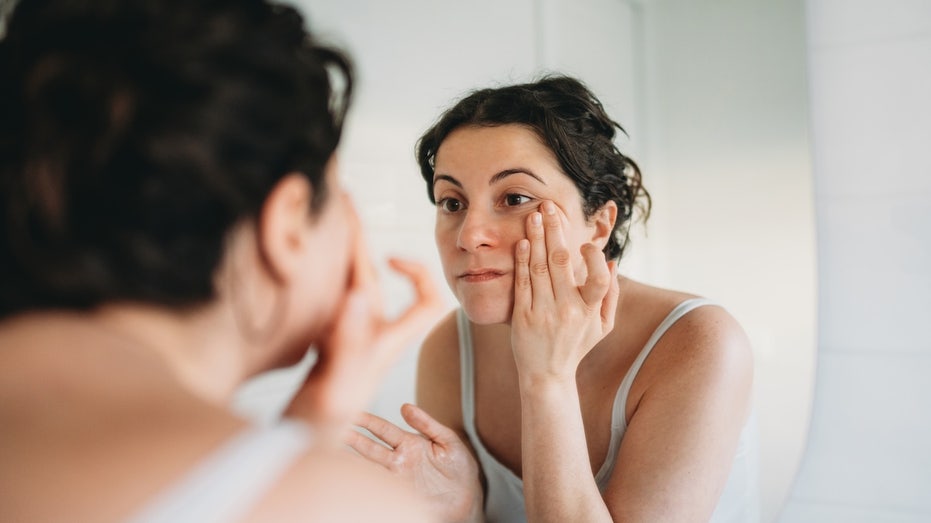
Low iron levels can compromise skin elasticity, making the tissue appear thinner and less resilient. This can cause the skin to lose its healthy color and appear pale, making dark under-eye circles more noticeable. Besides dark under-eye circles, other symptoms of low iron levels include low energy, dizziness, lightheadedness, headaches, and brittle or thin nails.
What are the Causes of Low Iron Levels?
According to hematological experts, low iron levels can be caused by underlying medical conditions such as chronic bleeding, gastrointestinal disorders, and cancers. Certain medications, such as proton pump inhibitors (PPIs) and H2-receptor blockers, can also contribute to low iron levels. Additionally, a diet that is low in iron-rich foods can increase the risk of iron deficiency.
With the rise in bariatric surgery, more patients are developing iron deficiency due to impaired iron absorption. Heavy menstrual bleeding and frequent blood donation can also contribute to lower iron levels. Vegetarians, vegans, and those who follow diets that do not include iron-rich foods may also be at risk.
Diagnosis and Treatment
If a person thinks they may have low ferritin, it is essential to see a physician. A simple blood test by a healthcare professional can determine iron levels. Further evaluation may include stool and urine tests to look for blood, along with endoscopy to examine the esophagus, stomach, and colon.
Treatment for iron deficiency may include oral supplementation and, in cases of severe anemia, intravenous (IV) iron or blood transfusions. Following a diet that includes iron-rich foods such as beef, pork, lamb, and leafy greens can also help.
Why This Matters
The condition known as 'ferritin face' is reversible, and once iron stores are safely restored and hemoglobin levels rebound, the skin recovers its healthy capillary flush, and dark under-eye circles tend to fade over several months. It is essential to identify and address the underlying cause of low iron levels to prevent recurrence and ensure overall health and well-being.