At 63, Niniola Phillips-Adeleye has endured what many would consider a lifetime of battles. Yet, standing among hundreds of advocates in Lagos, she spoke not of defeat, but of resilience.
Living with sickle cell disorder for more than six decades, Phillips-Adeleye has weathered countless pain crises, hospital admissions and health complications. Through it all, she has refused to let the condition define her life.
“I live with sickle cell disease and I will be 63 in August. The journey has not been smooth. There have been endless pains, crises and hospital visits, but I have learned to remain positive and find ways to enjoy life despite the challenges,” she said.
Her testimony became one of the defining moments of the Red Umbrella Walk, held under the theme, “From Awareness to Action: Building a Nation of Care.” The event was organised by the Coalition of Sickle Cell NGOs to mark the 2026 World Sickle Cell Day.
The gathering drew patients, caregivers, healthcare professionals, government representatives and advocacy groups, all united in demanding greater healthcare funding, improved access to treatment, stronger support systems and increased investment in research for people living with sickle cell disorder.
Red Umbrella Walk amplifies voices of sickle cell warriors
As participants marched through the streets, they carried placards bearing messages such as: “Stop the Stigmatisation Today!”, “Join the Fight Against Sickle Cell Disorder,” and “Care and Support People with Sickle Cell Disorder.”
Other placards declared: “Sickle Cell is Not a Death Sentence,” “There is Danger in Not Knowing Your Genotype,” and “Nigeria Needs a Newborn Screening Policy.”
Across the board, stakeholders agreed that raising awareness alone is not enough. They stressed that improved healthcare access, increased research funding and stronger partnerships remain critical to improving outcomes for people living with sickle cell disorder in Nigeria.
Chairperson of the Coalition, Ms. Timi Edwin, said the annual walk serves as a platform to strengthen advocacy efforts and push for better care.
“We need a nation of care, we need all of us to come together, we need patient voices. We need the government, private individuals and corporate bodies to come together to ensure that people living with sickle cells are no longer stigmatised,” she said.
We are no longer dying young — Survivors challenge old narratives
Edwin, who has lived with sickle cell anaemia for nearly four decades, said advances in disease management and growing awareness have helped extend the lives of many patients.
“We are no longer dying young. We now have warriors in their 40s, 50s, 60s, 70s and beyond. Our bodies are slower to heal and we need to know why. That is why research is very important,” she said.
Southwest Regional Director of the Coalition of Sickle Cell NGOs of Nigeria, Mudupe Sijuade, shared a similar view, noting that advocacy and proper medical care have transformed survival rates.
“Gone are the days when sickle cell warriors die at the age of 10 or 20. Many of us are growing old because of better management and increased awareness,” she said.
Living with Sickle Cell Disorder at 63: Niniola’s story of resilience
For Phillips-Adeleye, reaching her sixties is more than a personal milestone. It is proof that people living with sickle cell disorder can enjoy long, productive and fulfilling lives. She credits her survival to faith, determination and disciplined health management. Still, she acknowledged the enormous financial burden that comes with living with the condition.
“It is financially burdensome. Some of us can cope, but many warriors cannot. I belong to a group with over 1,000 warriors, and every day people are crying out for help to buy medications, dress wounds and even feed themselves,” she said.
She also pointed to complications such as avascular necrosis and leg ulcers, describing them as painful conditions that require ongoing and costly treatment.
Research, not just management: stakeholders seek funding for a cure
Advocates used the occasion to call on government to go beyond managing the disease and invest more heavily in scientific research aimed at finding a cure.
Commending President Bola Tinubu for increased healthcare funding, Edwin argued that part of the health budget should be specifically earmarked for research, including the study of herbal medicine.
“Where there is a challenge, the solution is within us. We need research into our herbs so that we can get a cure, not management,” she said.
She added that the burden of sickle cell disease extends far beyond physical pain, affecting patients emotionally, psychologically and financially. For that reason, she said, a more holistic approach to care is needed.
Cost of survival: Patients struggle with expensive treatment
Participants at the walk highlighted the growing cost of medications, hospital visits and specialised care, warning that many patients are being pushed to the brink financially. Phillips-Adeleye argued that poverty and discrimination continue to prevent many warriors, particularly students and unemployed people, from accessing the treatment they need.
“When they seek help, people often label them as beggars, but they are simply trying to survive the challenges imposed by the condition,” she said.
Newborn screening and genotype testing take centrestage
Executive Director of Genotype Foundation, Mrs. Doris Gbemiloye, urged Nigerians to know their genotype before marriage and encouraged prenatal diagnosis for carrier couples.
The coalition’s Public Relations Officer, Mr Peter Osikoya, also called for compulsory newborn genotype testing and wider adoption of High-Performance Liquid Chromatography (HPLC) to reduce cases of genotype misdiagnosis.
“The problem of misdiagnosis is what I want to emphasise. People believe they know their genotype and later discover otherwise. This creates serious social and emotional consequences,” he said.
Osikoya further advocated stricter regulation of laboratories and continuous training for laboratory personnel.
Representing the Lagos State Ministry of Health, Mrs. Khadijat Abdulkareem announced that free newborn screening services are now available in more than 70 public health facilities across Lagos State.
“We are advising parents to take advantage of the free newborn screening programme. It is available in many facilities across Lagos State,” she said.
She also encouraged residents to use only accredited laboratories, noting that government efforts to tackle quackery and unregistered testing centres are ongoing.
Fighting stigma through awareness,advocacy
Vice-Chairperson of the coalition and Founder of Noan’s Ark Foundation for Sickle Cell Nigeria, Ms. Osasele Esangbodo, said the awareness walk was designed not only to educate the public but also to give hope to people living with the condition.
“This walk is to tell people that if you are living with this condition, it is manageable. Most parents think it is a death sentence. It is not,” she said.
Despite notable progress in public awareness, advocates maintained that stigma and discrimination remain among the biggest challenges confronting people living with sickle cell disorder.
Tribute to a fallen advocate
Esangbodo revealed that this year’s walk was dedicated to the memory of Ms. Toyin Adesola, the coalition’s immediate past chairperson, who recently died at the age of 60. She described Adesola as a committed advocate whose work significantly advanced awareness and support for sickle cell warriors across Nigeria.
Sijuade disclosed that similar advocacy walks were held simultaneously in Abuja, Warri, Abeokuta, Ilorin and Lagos as part of efforts to deepen awareness and expand support services nationwide.
“We are spreading the message across the country. Various NGOs from different parts of Nigeria are involved, and we are all doing our bit to ensure that people living with sickle cell receive the support they need,” she said.
The Coalition comprises 40 active NGOs across Nigeria, including Sickle Cell Advocacy & Management Initiative (SAMI), Gail Sickle Initiative, Soulage A Biyi Odegbaike Foundation for Sickle Cell, Haima Health, Modupeire Sickle Cell Advocacy Initiative,
For advocates, the message remains clear: with early diagnosis, quality medical care, greater public awareness and stronger government support, people living with sickle cell disorder can lead healthy, productive lives and continue to make meaningful contributions to society.
Sickle Cell Disorder: Nigeria’s unique challenge
When conversations turn to sickle cell disorder, Nigeria occupies a unique and sobering position. The country bears the highest burden of the disease globally and accounts for a substantial share of sickle cell births worldwide each year. Prevention is not merely a healthcare issue; it is a national development priority.
Unlike infectious diseases, sickle cell disorder cannot be prevented through vaccination or lifestyle modification because it is inherited. Prevention depends largely on awareness, genetic counselling and informed reproductive decisions. For this reason, health experts continue to emphasise the importance of knowing one’s genotype before marriage or starting a family.
An individual with genotype AA cannot pass on sickle cell disease. However, when two carriers of the sickle cell trait (AS and AS) have children, every pregnancy carries a 25 per cent chance of producing a child with sickle cell disorder (SS), a 50 per cent chance of producing another carrier (AS), and a 25 per cent chance of producing a child with normal haemoglobin (AA).
Part of Nigeria’s challenge lies in the high prevalence of the AS genotype. Estimates suggest that between 20 and 30 per cent of Nigerians carry the sickle cell trait. Consequently, many couples unknowingly enter relationships in which both partners are carriers, increasing the likelihood of affected births.
Cultural and social factors also contribute to the problem. In some instances, genotype compatibility is overlooked because of emotional attachment, family expectations, religious beliefs or misconceptions about the disease. Health professionals have repeatedly stressed that genotype testing should take place early in relationships, long before marriage discussions begin.
Over the years, awareness campaigns led by government agencies, faith-based organisations, schools and the Sickle Cell Foundation Nigeria have improved public understanding. Genotype testing is now more accessible, while many churches and mosques encourage or require intending couples to present genotype results before marriage.
Another area attracting growing attention is newborn screening. Early diagnosis allows affected children to receive timely medical care, reducing complications and improving survival rates. Although screening is not yet universal, programmes are gradually expanding across the country.
Recent advances in bone marrow transplantation and gene therapy offer genuine hope for a cure. However, these treatments remain costly and inaccessible to many patients. As a result, prevention through education, counselling and genotype awareness remains Nigeria’s most practical and cost-effective weapon against sickle cell disorder.
For a country with the world’s largest sickle cell population, the message remains straightforward: know your genotype, seek counselling when necessary and make informed decisions. Prevention remains the most powerful tool for reducing the burden of sickle cell disorder for future generations.
Notable Nigerians living with, advocating for Sickle Cell Disorder
Several Nigerians have publicly shared their experiences with sickle cell disorder and turned their personal journeys into platforms for advocacy, support and inspiration.
One of Nigeria’s most prominent sickle cell advocates, Samira Sanusi lived with the condition for many years before undergoing a successful bone marrow transplant. She went on to establish the Samira Sanusi Sickle Cell Foundation and has dedicated much of her life to supporting patients, raising awareness and promoting better care for people living with the disorder.
Like her sister, Habiba Sanusi also lived with sickle cell disorder and later underwent a bone marrow transplant. Since then, she has remained actively involved in advocacy and public education efforts aimed at improving awareness of the condition.
Dr. Oluwatosin Adesoye
Born with sickle cell disorder, Dr Oluwatosin Adesoye transformed her personal experience into a mission of service. Through initiatives she founded, she has provided education, support and encouragement to people living with the condition.
The late television producer became a powerful symbol of resilience after surpassing the life expectancy often associated with sickle cell disorder. Throughout his life, he spoke openly about his experiences and inspired many others facing similar challenges.
Ade Adebisi gained international recognition as a professional athlete living with sickle cell disorder, helping to challenge long-held stereotypes about what people with the condition can achieve.
Perhaps the most visible sickle cell advocate in Nigeria today, musician Adekunle Gold has consistently used his platform, music and foundation to spotlight the realities faced by sickle cell warriors while supporting efforts to improve access to healthcare.
Together, these individuals have helped reshape public conversations around sickle cell disorder. Rather than focusing solely on pain and suffering, their stories highlight resilience, achievement and hope. Their experiences continue to inspire millions of Nigerians living with the condition and reinforce the importance of genotype testing, early intervention and public awareness.
Major medical breakthroughs in SCD
The past few decades brought remarkable progress in the fight against sickle cell disorder. What was once regarded largely as a childhood disease with limited treatment options is now benefiting from medical innovations that are helping patients live longer, healthier and more productive lives.
Newborn screening programmes
Among the most significant advances has been the introduction of newborn screening programmes. Early diagnosis enables healthcare providers to begin preventive care, vaccinations and treatment before serious complications develop. In many countries, this has dramatically reduced childhood mortality linked to the disorder.
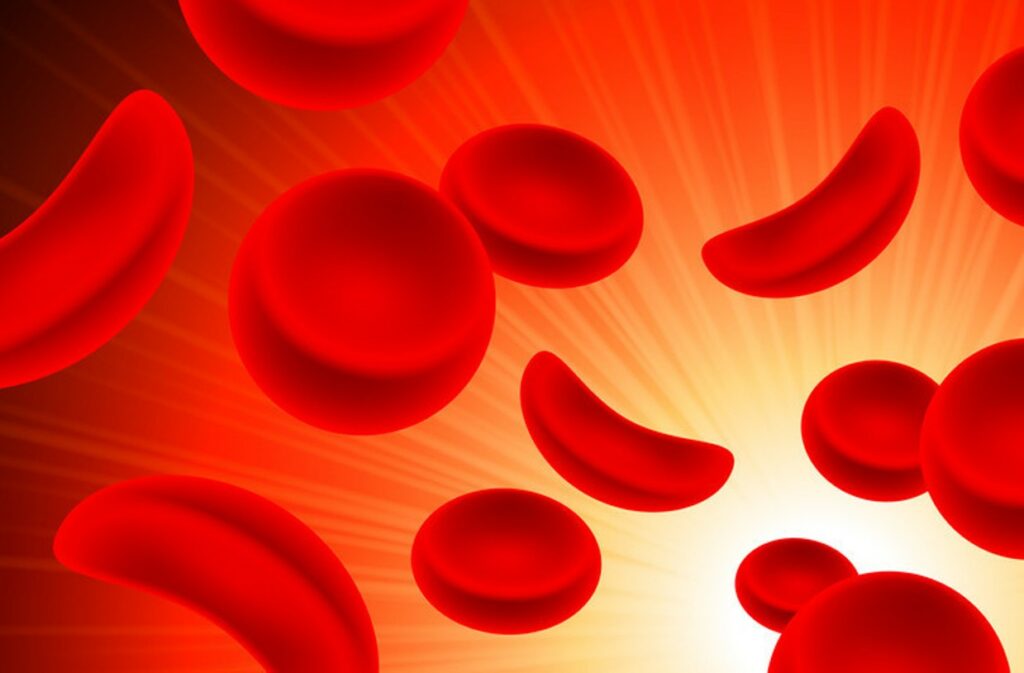
The introduction and widespread adoption of hydroxyurea transformed sickle cell care. The medication stimulates the production of fetal haemoglobin, helping to prevent red blood cells from assuming the characteristic sickle shape. Research has shown that it reduces pain crises, hospital admissions and the need for blood transfusions.
Improved blood transfusion therapy
Advances in blood transfusion techniques have significantly improved outcomes for high-risk patients. Regular transfusion programmes now play a critical role in preventing strokes and other severe complications, serving as a life-saving intervention for many children and adults.
Bone marrow & stem cell transplantation
For many years, bone marrow transplantation represented the closest thing to a cure. The procedure works by replacing diseased blood-forming stem cells with healthy cells from a compatible donor. Thousands of patients around the world have been successfully cured through this treatment.
Gene therapy revolution
Perhaps the most exciting development in recent years has been gene therapy. Scientists can now modify a patient’s own stem cells either to correct the faulty gene responsible for the disorder or to reactivate fetal haemoglobin production. Because the approach uses the patient’s own cells, it removes the need for a donor and offers the prospect of a long-term cure.
A historic milestone was reached with the approval of CRISPR-based gene-editing technology for the treatment of sickle cell disease in several countries. By altering specific sections of a patient’s DNA, doctors can help the body produce healthier red blood cells and significantly reduce painful crises. Many experts regard this as one of the most important breakthroughs in the history of genetic medicine.
New targeted medicines
Recent years have also seen the emergence of newer therapies and medications that help improve haemoglobin levels, reduce pain episodes and prevent blood vessel blockages associated with the disease.
Researchers are increasingly optimistic that sickle cell disorder will become not only manageable but, in some cases, curable. Significant challenges remain, particularly in low- and middle-income countries such as Nigeria. Even so, advances in genetics, stem cell science and targeted therapies are providing unprecedented hope for millions of patients worldwide.
What Nigeria is doing to fight Sickle Cell Disorder
Nigeria bears the world’s largest burden of sickle cell disorder, with an estimated 150,000 babies born with the condition each year. Faced with that reality, government agencies, teaching hospitals, non-governmental organisations and international partners have stepped up efforts to improve prevention, diagnosis and treatment, while also expanding access to therapies that offer the possibility of a cure.
At the centre of many of these efforts is the Sickle Cell Foundation Nigeria (SCFN), which operates the National Sickle Cell Centre in Lagos. The facility provides a wide range of services, including genotype testing, genetic counselling, specialised clinics, laboratory support, stroke prevention screening for children, exchange blood transfusion services and public awareness programmes. Beyond Lagos, the foundation has helped establish dedicated sickle cell clinics in several states and has played a key role in training healthcare workers in the management of the disorder.
Awareness around genotype testing has also grown significantly. Across the country, campaigns have been intensified to encourage young people to know their genotype before marriage. Public health experts continue to regard genotype awareness as one of the most effective ways of reducing the number of children born with sickle cell disorder. In response, many tertiary hospitals now provide premarital genotype screening and counselling services.
LUTH bone marrow transplant breakthrough
Among the most significant developments in recent years is the bone marrow transplant programme established through a partnership between the Sickle Cell Foundation Nigeria and Lagos University Teaching Hospital (LUTH). Bone marrow transplantation, also known as stem cell transplantation, remains the most established cure for sickle cell disorder.
The SCFN-LUTH Bone Marrow Transplant Centre was officially inaugurated in 2022 with the goal of providing safe, high-quality and more affordable transplant services within Nigeria. By making treatment available locally, the programme seeks to reduce the need for expensive medical trips abroad. Developed with the support of international collaborators, the initiative grew out of earlier programmes that enabled dozens of Nigerian children to undergo transplants overseas.
A major milestone followed in 2024 when LUTH and the Sickle Cell Foundation announced that access to bone marrow transplantation had become a reality within Nigeria through a programme built to international standards. Today, the centre provides comprehensive transplant services, from donor evaluation and transplantation procedures to post-transplant monitoring and follow-up care.
The progress continued in 2026, when reports described the facility as West Africa’s first dedicated comprehensive sickle cell cure centre. For eligible patients, that represents an opportunity to access curative treatment much closer to home. The centre is also expected to become a training hub for bone marrow transplant specialists from across Africa.
Beyond transplantation, advances are being made on several other fronts. Hospitals across Nigeria are expanding the use of hydroxyurea therapy, strengthening newborn screening programmes, improving stroke prevention services and establishing more specialised sickle cell clinics.
Taken together, these interventions are helping people with sickle cell disorder live longer and healthier lives. More importantly, they are reinforcing a growing sense of optimism that treatments once considered out of reach, including a cure, are becoming increasingly accessible within Nigeria.