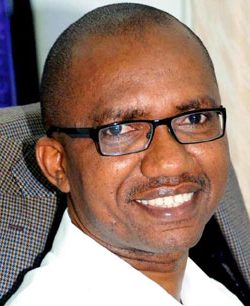
- Uncertainty looms over Vice President Kashim Shettima's renomination.
- Historical changes in Tinubu's deputy leadership raise concerns.
- Opposition pressures and religious tensions complicate the political scenario.
The future of Vice President Kashim Shettima hangs in the balance as speculation mounts regarding whether President Bola Ahmed Tinubu will renominate him for a second term. Historically, Tinubu’s record of changing deputies during his tenure as governor of Lagos State raises questions. Over eight years, he cycled through three different deputies, a pattern matched only by Akwa Ibom’s Senate President Godswill Akpabio in recent decades. This trend suggests that Shettima cannot take his position for granted.
From the outset, several prominent figures appeared eager to assume Shettima's role, including former Governor Nasir El-Rufai, who garnered attention for his early involvement with Tinubu during a pivotal leadership transition. National Security Adviser Nuhu Ribadu intervened effectively, curbing El-Rufai’s ambitions while Shettima mounted an independent defense of his vice presidency.
The anti-Shettima sentiment has deepened, particularly from opposition factions and Christian communities, particularly ahead of the 2023 election. Despite lacking constitutional grounds, the Tinubu-Shettima alliance has frequently faced backlash framed as a Muslim-Muslim ticket, instigating fears about the potential Islamization of Nigeria. This concern compelled Tinubu's team to publicly showcase his wife Oluremi’s religious background to underscore his commitment to inclusivity.
Shettima believed the most challenging phase was behind him after the presidential elections. However, scrutiny intensified on his administration’s policies, often examined through ethnic and religious lenses. Strikingly, undercurrents link the long-standing farmer-herder conflicts to deeper ethnic and religious divisions, which have resulted in countless tragedies in the northern regions.
These clashes have plagued Nigeria for decades, claiming approximately 35,000 lives and displacing millions. Some critics have fabricated narratives tying Shettima to Boko Haram's rise during his governorship of Borno State, questioning his commitment to curtailing extremist violence.
A notable influence has been the U.S. discourse surrounding Nigerian politics. It was reported that a U.S. lobbying group, aligned with former President Donald Trump, pressed for Tinubu to consider alternative candidates for the vice presidency. They argued that even the perception of a Muslim-Muslim administration might exacerbate the violence against Christians in Nigeria.
The transition narrative regarding Shettima remains convoluted, with debates surrounding his potential replacements, including names like former Speaker Yakubu Dogara and former Plateau State Governor Simon Lalong. Despite these pressures, Shettima has demonstrated considerable political acumen and cultivated connections with influential allies in both political and business domains.
Ironically, President Muhammadu Buhari previously faced backlash for suggesting that another Muslim on the presidential ticket could jeopardize party unity. Fast forward a decade, and Tinubu has opted for the same strategy, signaling a shift in the political landscape of Nigeria. The eventual nomination of Shettima may indicate a nuanced evolution of religious dynamics within the country’s political narrative.
As the 2027 presidential election approaches, Shettima's political resilience will undoubtedly be tested. Should new challenges emerge, lessons from past vice presidential experiences, such as that of Atiku Abubakar under Olusegun Obasanjo, could provide essential insights and resources for navigating future storms.
Why This Matters
The future of Nigeria's political landscape hangs in the balance as Vice President Shettima's nomination may signify broader shifts regarding religious representation and political strategy.