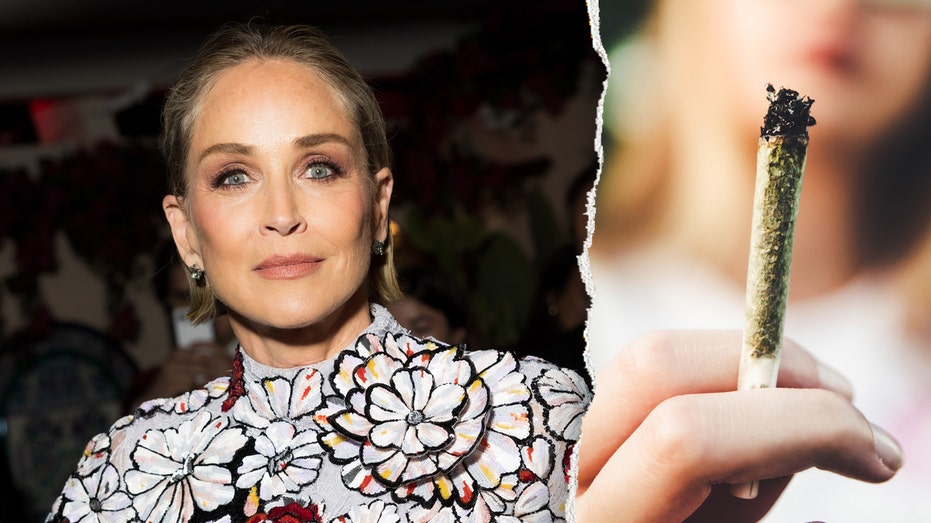
- Sharon Stone experienced severe health issues attributed to modern marijuana use.
- The actress emphasizes her desire for a drug-free lifestyle.
- Experts warn that current cannabis products have significantly higher THC levels than in the past.
- Withdrawal symptoms can be intense and may require medical supervision for heavy users.
Hollywood superstar Sharon Stone has recently shared troubling details regarding a health scare that prompted her to consult a neurologist. The actress revealed her intense symptoms and how they were critical in her journey towards abandoning marijuana, aiming for a drug-free existence.
In a candid interview with Variety, Stone explained her decision was rooted in concerns over the potency of contemporary cannabis products. She expressed, "And because I think they put so much stuff in it now — they really do — when I stopped smoking pot, I also got sick." Stone recounted enduring significant health challenges, including a month-long period of feeling unwell, leading her neurologist to caution her about the severity of the situation, mentioning cases of individuals succumbing to cannabis-related complications in emergency rooms.
Stone specifically cited the strength of current marijuana strains, noting, "It’s not like you’re pulling it out of the ground anymore ... It’s not like when we were kids." This brings to light a growing concern among addiction specialists regarding the increasing concentration of THC in modern cannabis. Dr. Chris Tuell, the clinical director of addiction services at the Lindner Center in Cincinnati, confirmed that marijuana today has undergone significant transformations — THC levels have escalated dramatically from the 3% to 5% commonly found in the 1980s to levels soaring up to 30% in some products, while concentrates can exceed an astonishing 90% THC.
According to the National Institute on Drug Abuse, these heightened concentrations are associated with increased risks of dependence and cannabis use disorder (CUD), as well as potential for psychosis and harsher withdrawal symptoms. With the popularity of increasingly potent cannabis, experts are urging users to be aware of the risks before deciding to continue or cease use.
Experts indicate that CUD occurs when marijuana dominates the brain's reward pathways, promoting compulsive behaviors. This concern is echoed by Tuell, who commented on the implications of high THC levels on addiction potential. The American Psychiatric Association's DSM-5 outlines symptoms that suggest casual use may escalate into dependency.
Notably, quitting heavy and long-term cannabis usage can trigger withdrawal symptoms within 24 to 48 hours, symptoms that include irritability, anxiety, loss of appetite, headaches, and various physical complaints. Although physical symptoms typically fade within weeks, mood changes and sleep disturbances may persist.
While cannabis withdrawal generally does not necessitate hospitalization, those with pre-existing medical conditions or who are also withdrawing from substances like alcohol or opioids might require medical oversight. Mental health issues often correlate with problematic marijuana use, emphasizing the importance of addressing those underlying concerns.
Tuell strongly believes that cannabis use disorder and mental health challenges frequently co-occur, and that therapeutic counseling can provide meaningful solutions to the issues driving addictive behaviors. Fox News Digital has reached out to Stone’s team for further comment on her experiences.
Why This Matters
As cannabis use becomes more widespread, understanding the implications of heightened potency and associated withdrawal symptoms is crucial for users. With mental health and addiction risks intertwined, awareness and appropriate support are now more important than ever.