Key Takeaways
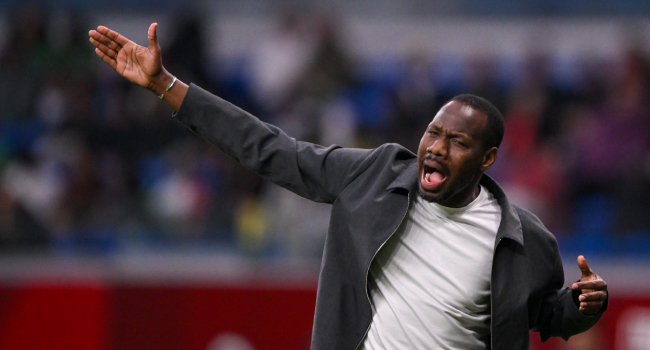
- Pape Thiaw and his entire coaching staff have been relieved of their duties by the Senegalese Football Federation (FSF).
- The dismissal comes in the wake of Senegal's early elimination in the last-32 round of the recent World Cup.
- Thiaw's tenure was also marked by the team winning and subsequently being stripped of the Africa Cup of Nations title earlier this year.
- FSF President Abdoulaye Fall is scheduled to provide further details and outline the federation's future plans in an upcoming press conference.
Dakar, Senegal – The Senegalese Football Federation (FSF) has announced a significant change at the helm of its national football team, confirming the dismissal of head coach Pape Thiaw and his entire technical staff. This decisive action, made public on Sunday, follows a period of mixed results and considerable controversy, culminating in the team's disappointing performance at the recent World Cup.
The FSF's executive committee convened to deliberate on the national team's trajectory, ultimately deciding to “initiate proceedings to relieve national team coach Pape Thiaw, as well as the entire coaching staff, of their duties,” as stated in their official announcement. FSF President Abdoulaye Fall is expected to address the media on Monday, where he will elaborate on the specific “reasons behind this decision” and outline the federation's strategic vision for the future of Senegalese football.
A Brief and Tumultuous Tenure
Pape Thiaw, a 45-year-old former Senegal international, took over the reins of the national team in 2024 with high hopes and expectations. His appointment was seen as a move to inject fresh energy and tactical prowess into the squad. However, his tenure proved to be a challenging one, characterized by both moments of triumph and significant setbacks that ultimately led to his premature departure.
World Cup Disappointment
The immediate catalyst for Thiaw's sacking appears to be Senegal's performance at the World Cup. Despite securing a spot in the knockout rounds, the journey was far from smooth. The Lions of Teranga struggled in the group stage, suffering defeats against formidable opponents France and Norway. A crucial 5-0 victory over Iraq, however, was enough to see them through to the last-32.
Their World Cup campaign came to a dramatic and heartbreaking end in the round of 32 against Belgium. Senegal initially held a commanding 2-0 lead, only to see it evaporate in the closing minutes, with Belgium staging a remarkable comeback to level the score by the 86th minute. The match ultimately went into extra time, where Belgium secured a 3-2 victory, sending Senegal home prematurely and leaving fans with a bitter taste of what could have been.
AFCON Controversy Looms Large
Adding to the pressure on Thiaw was a highly publicized controversy surrounding the Africa Cup of Nations (AFCON) earlier in the year. Under his leadership, Senegal had initially triumphed, winning the AFCON final in January. However, this victory was short-lived and marred by an unprecedented turn of events. The team was subsequently stripped of its title as a punishment for walking off the pitch during a chaotic final match against Morocco. This incident cast a long shadow over Thiaw's achievements and undoubtedly contributed to the FSF's decision to seek a new direction.
The search for a new national team coach will now commence, with the FSF tasked with finding a leader capable of uniting the squad, restoring confidence, and guiding Senegal to consistent international success. The football-loving nation will be eagerly awaiting President Fall's press conference for clarity and a roadmap for the future.
Why This Matters
This leadership change underscores the immense pressure and high expectations placed on national football coaches, particularly in nations where football holds significant cultural importance. It highlights that even a brief period of underperformance or controversial incidents can lead to swift and decisive action from governing bodies, impacting the team's morale and future trajectory.