Key Takeaways
- The National Assembly is committed to collaborating with President Bola Tinubu to advance Nigeria’s national interest, rejecting unnecessary confrontation with the executive.
- Senate President Godswill Akpabio stressed that parliament belongs to Nigerians, advocating for openness, transparency, and active citizen engagement in governance.
- The 10th National Assembly has reportedly passed over 100 bills within its first three years, addressing critical areas such as national security, education, tax reform, and a new minimum wage.
- Akpabio clarified that a constructive partnership with the executive should not be mistaken for a compromise of legislative independence, emphasizing the parliament’s role in scrutiny and improvement.
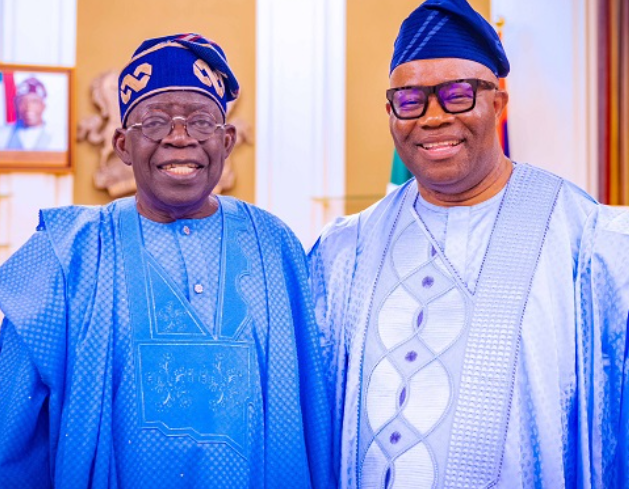
Abuja, Nigeria – Senate President Godswill Akpabio recently inaugurated the 2026 National Assembly Open Week in Abuja, reaffirming the legislature's dedication to serving the Nigerian populace and fostering a robust democratic environment. During his address, Akpabio underscored the National Assembly's commitment to collaborating with President Bola Tinubu's administration in advancing the nation's core interests, while firmly stating that the legislature has no constitutional obligation to engage in unproductive confrontation with the executive.
Embracing Transparency and Citizen Participation
Akpabio passionately articulated that the parliament exists solely to serve Nigerians, stressing the imperative for it to remain open, transparent, and readily accessible to the citizens it represents. He emphasized that the legislative chambers are not exclusive domains for elected officials but rather belong to the entire Nigerian citizenry, asserting that democracy truly flourishes when citizens actively participate in the governance process. “These walls were never meant to keep Nigerians out. They were built to welcome them in—not merely as spectators of democracy, but as its rightful owners,” Akpabio declared, highlighting a vision of inclusive governance.
The Senate President further noted that public trust in democratic institutions can only be sustained through unwavering openness, accountability, and meaningful engagement with citizens. He encouraged Nigerians to actively participate in public hearings, meticulously scrutinize legislative activities, and hold their lawmakers accountable. Akpabio posited that informed criticism serves to strengthen democracy, rather than weaken it, inviting citizens to challenge the parliament constructively. “A parliament that listens becomes wiser. A democracy that listens becomes stronger,” he added, reinforcing the value of public feedback.
Unprecedented Legislative Achievements
Highlighting the significant accomplishments of the 10th National Assembly, Akpabio proudly announced that lawmakers have successfully passed more than 100 bills within their initial three years in office. He described this milestone as unprecedented in Nigeria’s democratic history at this stage of development. Key legislative achievements include the enactment of laws designed to bolster national security, facilitate the return of out-of-school children to classrooms, reform the nation's tax system, approve a new national minimum wage, promote foreign and local investment, and establish vital regional development commissions. Additionally, the National Assembly has diligently carried out its constitutional responsibilities of screening and confirming public office holders. Akpabio also noted Nigeria's recent achievement of regaining a seat on the Executive Committee of the Inter-Parliamentary Union after an absence of nearly 60 years, a testament to its renewed international engagement.
Balancing Collaboration with Independence
Addressing concerns regarding the relationship between the legislature and the executive, the Senate President robustly defended the close working relationship with President Tinubu, clarifying that it should never be misconstrued as a compromise of the National Assembly’s independence. “Constructive partnership should never be mistaken for constitutional surrender,” Akpabio asserted. He maintained that parliament does not demonstrate its independence by manufacturing conflict or proving its relevance through opposition for opposition’s sake. Instead, he articulated that the legislature’s constitutional duty is to support initiatives that advance the national interest, meticulously question areas requiring scrutiny, and diligently correct what demands improvement. This, he explained, is the delicate balance the 10th National Assembly strives to maintain.
A Unified Legislature for National Progress
Akpabio also commended the harmonious relationship between the Senate and the House of Representatives, describing their collaboration over the past three years as one characterized by mutual respect and unity of purpose. He reiterated his call for Nigerians to take ownership of the parliament by actively engaging with its activities, emphasizing that a vibrant democracy is significantly strengthened when citizens participate in the legislative process. The Senate President expressed profound optimism that the National Assembly Open Week would effectively promote transparency, deepen public confidence, and ultimately strengthen the crucial relationship between the parliament and the Nigerian people, paving the way for more responsive and accountable governance.
Why This Matters
The Senate President's emphasis on parliamentary openness, citizen engagement, and a balanced approach to executive collaboration is crucial for strengthening Nigeria's democratic institutions and fostering public trust. These initiatives are vital for ensuring that legislative actions truly reflect the needs and aspirations of the Nigerian people, driving national development and accountability.