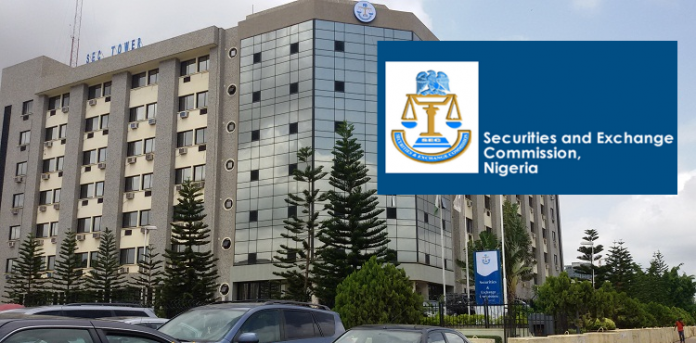
Key Takeaways
- The Securities and Exchange Commission (SEC) has directed capital market operators to freeze funds and assets of six individuals and three entities designated as terrorist financiers.
- The individuals and entities were designated by the Nigeria Sanctions Committee (NSC) under the Terrorism Prevention and Prohibition Act (TPPA) 2022.
- The directive aims to prevent the financing of terrorism and money laundering activities in Nigeria.
The SEC said the directive was made in line with the TPPA 2022, which requires the freezing of assets and economic resources of individuals and entities involved in terrorism financing. The six individuals listed are Babangida Muhammed Adamu Hammajam, Abdullahi Umar Usman, Ibrahim Abubakar, Adamu Chiroma, Muktar Muhammad Adamu, and Yakubu Ogirima Ibrahim.
The three designated entities are Nine to Nine Bureau De Change (BDC) Ltd, Generation Currency BDC Ltd, and Abbal Bako & Sons Bureau De Change. According to the SEC, these individuals and entities were involved in various activities, including terrorism financing and providing material support to designated terrorist organizations.
Background and Implications
The directive is part of the Nigerian government's efforts to combat terrorism and money laundering in the country. The SEC has instructed all capital market regulated entities to immediately identify and freeze all funds, assets, and other economic resources in their possession belonging to the designated persons and entities.
The commission has also directed regulated entities to report frozen assets and other compliance actions to the secretariat of the Nigeria Sanctions Committee. Additionally, operators are required to file suspicious transaction reports with the Nigerian Financial Intelligence Unit (NFIU) for further analysis of financial activities.
Why This Matters
The SEC's directive is a significant step in preventing the financing of terrorism in Nigeria, and its implementation is crucial in ensuring the country's financial system is not used to facilitate terrorist activities. Failure to comply with the directive could attract regulatory sanctions, including fines, suspension of operations, or revocation of registration, highlighting the importance of adherence to the SEC's regulations.