Key Takeaways
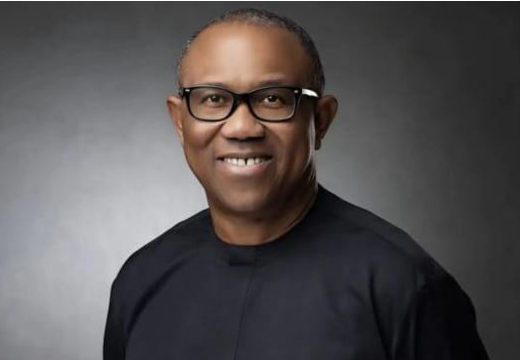
- Peter Obi, the Nigeria Democratic Congress (NDC) presidential candidate, has openly challenged citizens to investigate his past and that of his running mate, Rabiu Kwankwaso.
- The challenge was issued during a town hall meeting in Port Harcourt, Rivers State, amidst growing calls for transparency from political aspirants.
- Obi explicitly stated that he and Kwankwaso have made their personal and educational backgrounds available for public verification globally.
- He referenced an ongoing legal dispute with his former spokesperson, Kenneth Okonkwo, who allegedly claimed to possess damaging information about Obi's past.
- Obi stressed that individuals aspiring to high office must undergo a credible and transparent vetting process.
In a bold move signaling a new era of political accountability, Peter Obi, the presidential candidate for the Nigeria Democratic Congress (NDC), has issued an unprecedented challenge to the Nigerian populace. Speaking at a town hall meeting dubbed 'Obi Talks Nigeria' in Port Harcourt, Rivers State, Obi dared citizens to meticulously scrutinize his personal and professional background, as well as that of his running mate, Rabiu Kwankwaso, and publicly reveal any instances of wrongdoing they might uncover.
The former Anambra State governor underscored his commitment to transparency, stating, 'I want to give every Nigerian the opportunity to know who I am.' He elaborated that both he and Kwankwaso have proactively made their detailed personal and educational histories, including dates of birth and academic institutions, accessible for global verification. This proactive stance comes at a critical juncture, as Nigeria gears up for the 2027 general election, with public demand for integrity and accountability from political leaders reaching an all-time high.
Obi's challenge is particularly resonant given the historical context of Nigerian politics, where the backgrounds and qualifications of aspirants often face intense, sometimes unsubstantiated, scrutiny. By inviting public examination, Obi appears to be setting a new standard for openness, aiming to preempt potential controversies and build trust with the electorate. His remarks also reflect a broader sentiment among Nigerians who are increasingly weary of leaders whose pasts are shrouded in secrecy or marred by unaddressed allegations.
During the town hall, Obi made a pointed reference to a legal dispute involving Kenneth Okonkwo, his former spokesperson from the 2023 presidential campaign. Okonkwo had reportedly claimed to possess information about Obi's past that could 'shock Nigerians.' Obi confirmed that he initiated legal action to compel Okonkwo to disclose this alleged information publicly. 'We have sued somebody in court. He said he knows something he can say and the people will be shocked. I said I want you to say what people will be shocked about,' Obi recounted, reiterating his unwavering call for full disclosure.
He extended this challenge universally: 'And I'm challenging every Nigerian. If there is anything that you know I have done that is wrong, say it out now. I'm challenging the world over: if you know anything that Rabiu Musa Kwankwaso has done that is wrong, say it out now.' This direct appeal to the public and the global community underscores his confidence in his record and his belief in the power of public oversight.
The NDC candidate concluded his address by emphasizing that anyone aspiring to the nation's highest office must emerge through a process that is unimpeachably credible and transparent. 'You cannot continue to answer His Excellency when the process that got you there is not excellent,' he asserted, drawing a clear link between the legitimacy of leadership and the integrity of the electoral and vetting processes. This statement resonates deeply with a populace yearning for genuine leadership and a political landscape free from deceit and manipulation.
Why This Matters
Peter Obi's public dare to scrutinize his past marks a significant moment in Nigerian political discourse, potentially setting a precedent for transparency and accountability among future presidential aspirants. This challenge not only empowers citizens to actively participate in vetting their leaders but also pressures other political figures to open their records to similar public examination, fostering a more credible and trustworthy democratic process.
}