Key Takeaways
- The House of Representatives is actively reviewing 13 commerce-related bills to modernize Nigeria's trade landscape.
- A primary focus is the swift domestication of the African Continental Free Trade Area (AfCFTA) agreement to unlock continental market access.
- The legislative initiative seeks to improve the ease of doing business, attract foreign investment, and foster sustainable economic growth.
- Stakeholder engagement through public hearings is crucial to ensure the bills are robust, responsive, and globally competitive.
Abuja – The Nigerian House of Representatives has commenced a significant legislative push to fortify the nation's commercial and trade infrastructure, holding a comprehensive public hearing on 13 pivotal commerce-related bills. Central to this legislative agenda is the African Continental Free Trade Area (AfCFTA) Domestication Bill, a critical piece of legislation designed to enable Nigeria to fully harness the immense opportunities presented by Africa's burgeoning single market.
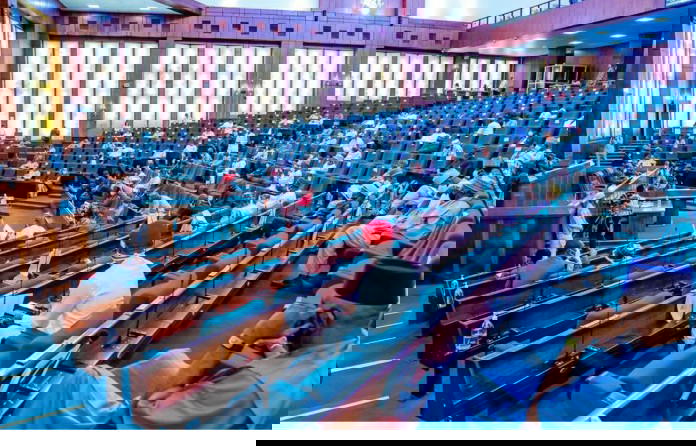
Organized by the House Committee on Commerce at the National Assembly, the public hearing convened a diverse array of stakeholders. Attendees included representatives from federal government ministries, regulatory bodies, the organized private sector, professional associations, development partners, and civil society groups, all contributing to a robust discourse on the proposed laws.
Driving Economic Reform and Investment
Speaker of the House, Rep. Abbas Tajudeen, underscored that these proposed legislations are integral to the 10th House's broader economic reform agenda. The overarching goal is to significantly improve the ease of doing business across Nigeria, dismantle existing regulatory bottlenecks, attract crucial investment, and ultimately promote sustainable economic growth for the benefit of all citizens.
Represented at the event, Speaker Abbas emphasized that commerce stands as one of the strongest pillars of the Nigerian economy. He stressed the imperative for these bills to undergo rigorous public scrutiny, ensuring they are not only responsive to emerging global realities but also align with international best practices. This meticulous process aims to refine the legislation, ensuring it effectively promotes enterprise, safeguards legitimate business interests, encourages fair competition, and advances long-term economic prosperity.
The Speaker further highlighted that this legislative exercise aligns perfectly with the 10th House of Representatives' Legislative Agenda, which prioritizes economic growth, institutional reforms, good governance, and private sector development. He reiterated the House's commitment to enacting laws that support entrepreneurship, remove unnecessary regulatory barriers, and create abundant opportunities for Nigerians, thereby supporting President Bola Tinubu’s Renewed Hope Agenda.
Unlocking AfCFTA's Potential
Speaking passionately on the AfCFTA Domestication Bill, Dr. Jumoke Oduwole, the Minister of Industry, Trade and Investment, urged lawmakers to expedite its passage. She described the bill as absolutely crucial for Nigeria's competitiveness within the continental trade landscape. The African Continental Free Trade Area, encompassing over 1.4 billion people and a combined Gross Domestic Product exceeding $3 trillion, offers unparalleled opportunities for Nigerian businesses to expand into new markets, attract investment, create jobs, and strengthen regional value chains.
Minister Oduwole detailed Nigeria's substantial progress since ratifying the AfCFTA agreement in 2020. This includes establishing robust implementation structures, submitting tariff concessions, launching innovative digital trade initiatives, and actively supporting local enterprises. Notably, Nigeria became the first State Party to ratify the AfCFTA Digital Trade Protocol and has successfully launched air cargo corridors connecting Nigerian businesses to East and Southern African markets. She also proudly mentioned Nigeria's recent hosting of AfCFTA Week and its assumption of the Chairmanship of the Bureau of the Council of Ministers, solidifying its leadership role.
However, the Minister stressed that the effective implementation of the agreement hinges on a robust domestic legal framework. She clarified, “The Bill is not merely about implementing an international treaty. It is about positioning Nigeria to fully harness the opportunities of continental trade while safeguarding our national interests.” Its timely passage will provide legal certainty for businesses and investors, strengthening coordination among government institutions and consolidating Nigeria’s leadership in continental trade.
Modernizing Commerce and Professional Standards
Earlier in the proceedings, Hon. Ahmed Munir, Chairman of the House Committee on Commerce, revealed that the committee is deliberating on 13 strategic bills designed to modernize Nigeria’s commercial laws, bolster professional standards, and reposition the economy for global competitiveness. These bills are broadly categorized into three areas: expanding global trade and protecting local assets; modernizing commerce and the digital economy; and strengthening professional regulation and institutional capacity.
Munir explained that key proposals include the AfCFTA Implementation Bill, amendments to the Nigerian Export Promotion Council Act concerning Geographical Indications and NIMASA updates, revisions to the Sale of Goods Act and the Price Control Act, alongside bills establishing and strengthening several professional institutes. He urged participants from government, industry, and civil society to provide practical, data-driven recommendations, emphasizing that the success of this legislative exercise depends heavily on their candid, expert feedback. The ultimate goal is to ensure these proposed laws actively foster economic expansion rather than impede it, driving investment, innovation, job creation, and Nigeria’s competitiveness in both regional and global markets.
Why This Matters
The comprehensive legislative effort by the House of Representatives is crucial for Nigeria's economic future, as it seeks to create a predictable and supportive legal environment essential for attracting investment, fostering entrepreneurship, and enabling Nigerian businesses to thrive within the vast African single market and beyond. This proactive approach is vital for diversifying the economy, creating sustainable jobs, and improving the overall living standards for millions of Nigerians.