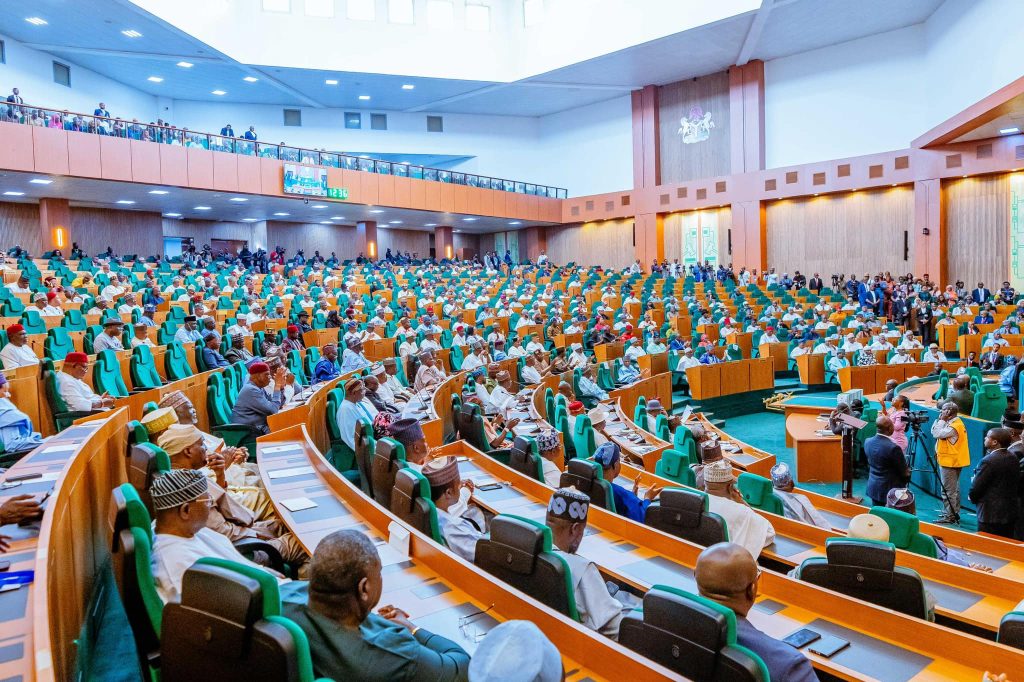
- The House of Representatives Public Accounts Committee (PAC) has initiated inquiries into the financial operations of several government agencies.
- The Committee is particularly focused on outstanding revenues owed to the Federal Government.
- Concerns arose regarding automatic deductions and the financial status of agencies like the Central Bank of Nigeria.
The House of Representatives Public Accounts Committee (PAC) has embarked on a significant investigation into the financial practices of the Accountant-General of the Federation (OAGF). During a recent session, the PAC directed the OAGF to provide a detailed account of outstanding operating surpluses and additional revenues that are reportedly owed by major government entities, such as the Central Bank of Nigeria (CBN) and the Nigerian National Petroleum Company Limited (NNPCL).
This directive comes in light of allegations that the OAGF had withdrawn substantial sums of money from the accounts of various Ministries, Departments, and Agencies (MDAs). Among these entities is the Universal Basic Education Commission (UBEC), which claims it has not received timely refunds after funds were withdrawn.
During the hearing led by Accountant-General Shamseldeen Babatunde Ogunjimi, committee member Hon. Gboyega Nasir Isiaka raised alarms about ongoing revenue leakages and insufficient remittances from state-owned corporations. He emphasized the critical need for these entities to adhere to mandated financial remittance practices in order to support Nigeria’s economic stability.
In his remarks, Isiaka requested that the OAGF provide specifics regarding unpaid remittances, proposing that the performance of key revenue-generating agencies—including the CBN and others—be thoroughly evaluated for compliance.
OAGF’s Director of Revenue and Investment, Makinde Mogaji, highlighted that the CBN alone owed an astonishing N5.3 trillion in operating surplus. Despite ongoing efforts to foster compliance within the framework set by the Public Accounts Committee, the CBN has thus far failed to meet remittance obligations.
Furthermore, while agencies like the Federal Airports Authority of Nigeria (FAAN) have successfully remitted significant payments—N473 billion, to be exact—many other organizations continue to lag behind.
In an explanation of the OAGF’s policy involving automatic deductions from agency accounts, Ogunjimi noted that this strategy was implemented to recuperate operating surplus in advance. Although it yielded positive results last year in terms of government revenue, it has met with resistance from some departments, prompting a need for presidential intervention in certain cases.
Amidst this scenario, the committee faced queries regarding the legitimacy of these deductions as various agencies, including UBEC and the National Agency for Science and Engineering Infrastructure (NASENI), voiced their grievances over unapproved withdrawals from their accounts.
According to Committee Chairman Hon. Bamidele Salam, UBEC has reported deficiencies totaling N31 billion due to unreturned funds. He contended that these constraints jeopardize key governmental initiatives—particularly those aimed at addressing the pressing out-of-school children crisis in Nigeria.
In conclusion, the committee has mandated the OAGF to furnish complete documentation related to all deductions, including any unreturned funds and outstanding operating surpluses. This ongoing investigation underscores the urgency of ensuring transparency and accountability in Nigeria's financial governance.
Why This Matters
This investigation sheds light on a critical issue affecting the financial health of Nigeria, emphasizing the need for stringent oversight of government financial practices to uphold fiscal discipline and support essential public services.