Kremlin Pushes for Diplomatic End to Middle East Conflict
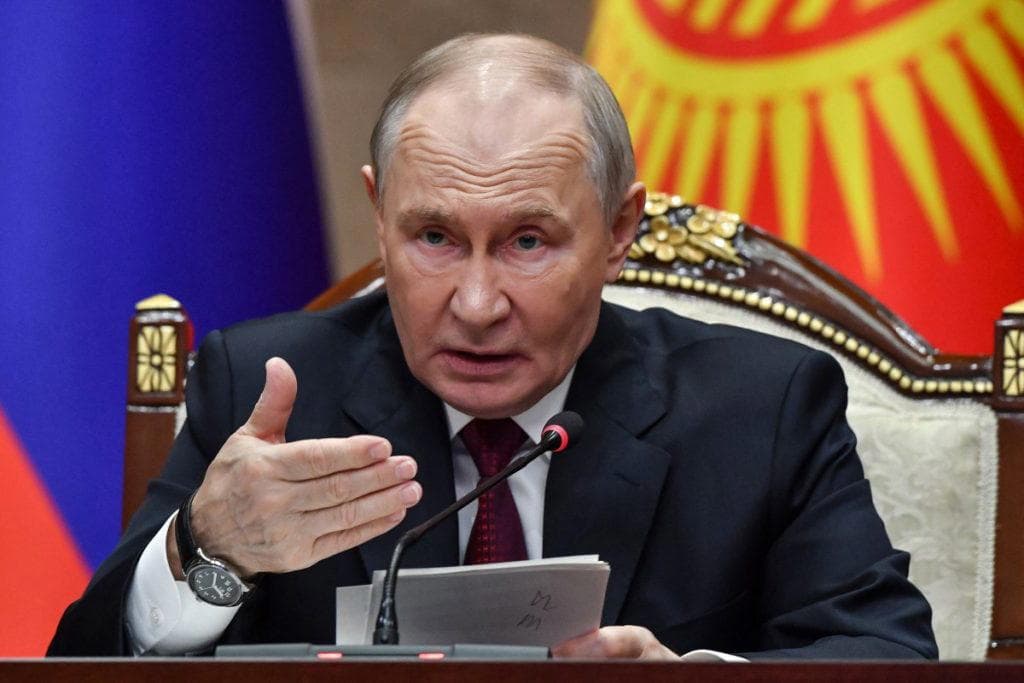
In a significant diplomatic exchange, Russian President Vladimir Putin engaged in a phone call with Saudi Crown Prince Mohammed bin Salman on Thursday, emphasizing the critical need to intensify political and diplomatic efforts to de-escalate and ultimately resolve the ongoing Middle East conflict.
Facing continued isolation from Western nations following its military actions in Ukraine, Moscow has been strategically bolstering its alliances across the Middle East. This includes maintaining robust relationships with both Iran and the powerful Gulf monarchies, a clear demonstration of Russia's evolving geopolitical priorities.
Urgent Call for Ceasefire and Lasting Resolution
According to a Kremlin readout of the conversation, both leaders underscored the imperative for an immediate cessation of hostilities. They called for a concerted push towards political and diplomatic pathways designed to achieve a long-term, stable settlement in the conflict-ridden region.
Ukraine's Strategic Pivot to Gulf Air Defense
This high-level discussion unfolds against a backdrop of increasing collaboration between Ukraine and Saudi Arabia. Ukraine, which has been actively fending off a full-scale Russian invasion since 2022, recently inked an air defense agreement with the Gulf nation. This partnership is particularly timely as Saudi Arabia contends with persistent drone attacks, many reportedly utilizing Iranian-designed technology – the very same Shahed drones Russia employs against Ukraine.
Kyiv is actively leveraging its hard-won expertise in neutralizing Russian drones to assist Gulf nations. Ukraine has proposed an innovative exchange: its relatively inexpensive drone interceptors for the high-cost air-defense missiles currently deployed by Gulf states to counter Iranian drone threats.
Stabilizing Global Energy Markets: The OPEC+ Factor
Beyond regional security, President Putin and Saudi Arabia's de facto ruler also delved into pressing global economic concerns. They specifically addressed:
- The negative impact on global energy security stemming from challenges in energy production and transportation linked to ongoing crises.
- The paramount importance of continued joint efforts within the "OPEC+" framework to ensure the stability of the global oil market.
OPEC+, a powerful alliance comprising the 12 core OPEC members alongside 10 other leading crude oil producers, plays a crucial role in regulating global oil production and pricing strategies.
The discussion around energy security comes as oil prices witnessed extended gains on Thursday. This upward trend was partly fueled by US President Donald Trump's recent threats of further severe strikes against Iran, a development that dampened hopes for regional de-escalation and added to market volatility.