Key Takeaways
- Nigeria lost an estimated 3,100 gigawatt-hours (GWh) of electricity generation potential in May 2026 due to persistent gas flaring.
- Official figures on flared gas volumes for May 2026 show significant discrepancies between the Nigerian Upstream Petroleum Regulatory Commission (NUPRC) and the National Oil Spill Detection and Response Agency (NOSDRA).
- The monetary value of gas flared in May 2026, according to NOSDRA, was $107.5 million, with companies liable for $61.4 million in penalties.
- Gas flaring contributes to an estimated 1.6 million tonnes of carbon dioxide emissions, undermining Nigeria's environmental commitments.
- Despite the Federal Government's "Decade of Gas" initiative aimed at transforming Nigeria into a gas-driven economy by 2030, flaring persists, hindering power supply and industrial growth.
- The Renevlyn Development Initiative (RDI) advocates for an outright ban on gas flaring, noting that oil companies often prefer paying penalties over investing in gas utilization infrastructure.
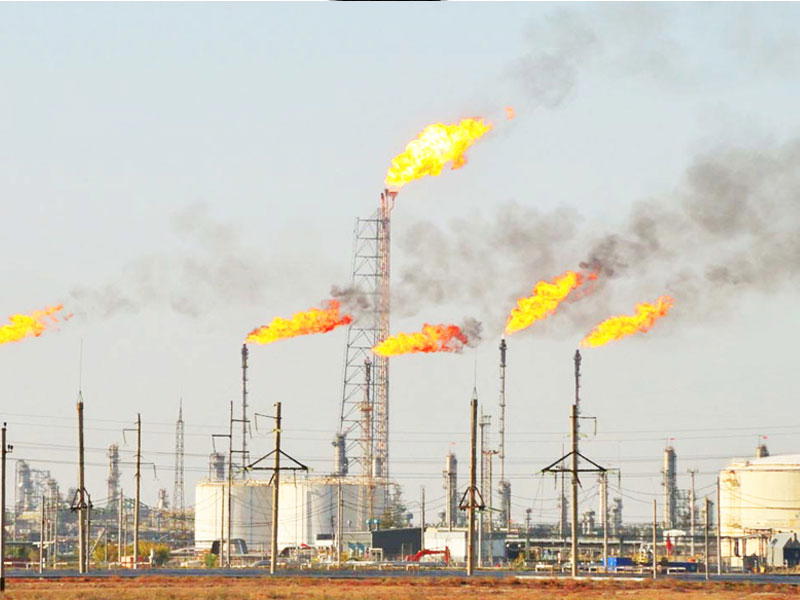
Nigeria's ambitious vision to transition into a gas-driven economy by 2030 is currently facing formidable obstacles, primarily due to the persistent and widespread practice of gas flaring by oil companies. This detrimental activity led to an estimated loss of 3,100 gigawatt-hours (GWh) of electricity generation potential in May 2026 alone, a significant setback for a nation grappling with chronic power shortages.
Conflicting Official Data Raises Concerns
Adding to the complexity, a notable discrepancy has emerged between key regulatory bodies regarding the volume of gas flared. The Nigerian Upstream Petroleum Regulatory Commission (NUPRC) reported 17.6 million standard cubic feet (MMSCF) of gas flared in May 2026. In stark contrast, the National Oil Spill Detection and Response Agency (NOSDRA) cited a much higher figure of 30.7 million standard cubic feet (MSCF) for the same period. Such divergent data points not only create confusion but also complicate effective policy formulation and enforcement aimed at curbing this environmental and economic blight.
Economic and Environmental Toll
The financial implications of this unchecked practice are staggering. NOSDRA's latest report indicates that the monetary value of the gas flared in May 2026 amounted to a colossal $107.5 million. Furthermore, defaulting companies, including major International Oil Companies (IOCs), are liable for penalties totaling $61.4 million. Beyond the economic drain, the environmental impact is equally severe, with the flared gas translating into an estimated 1.6 million tonnes of carbon dioxide emissions, alongside other harmful gases, exacerbating climate change and local air pollution.
A breakdown of flaring across oilfields reveals a concerning trend: gas flaring by companies operating onshore surged by 62.3 percent to 22.3 MSCF, significantly outpacing the 8.4 MSCF flared offshore. This highlights specific areas requiring more stringent oversight and intervention.
The "Decade of Gas" Initiative Under Pressure
The Federal Government has repeatedly underscored its commitment to the "Decade of Gas" initiative, launched in 2021, which aims to transform Nigeria into a gas-powered economy by 2030. This initiative prioritizes improved power supply, enhanced industrial utilization of gas, and increased gas exports. However, the continued high levels of gas flaring, despite increased investments in the gas sector, suggest a disconnect. Inflows into the industry have not translated into proportional improvements in gas production and utilization, thereby undermining the core objectives of the government's strategy.
Impact on National Power Supply
Nigeria's persistent inability to consistently generate more than 4,000 megawatts (MW) of electricity for its households and businesses is directly linked to inadequate gas supply to Electricity Generation Companies (GenCos). The gas that could power homes and industries is instead wastefully burned, creating a critical bottleneck in the nation's energy infrastructure and hindering economic growth.
Calls for an Outright Ban
In response to the escalating crisis, the Renevlyn Development Initiative (RDI) has urged the Federal Government to impose an outright ban on gas flaring. The RDI argues that oil companies operating in the Niger Delta often find it more economically convenient to pay penalties than to invest in the necessary infrastructure to capture and utilize the gas. This assertion is supported by data from the Nigerian Oil Spill Monitor, which showed that oil companies paid an estimated $646 million in gas flaring penalties in 2025, marking the highest amount in the last five years.
The ongoing struggle with gas flaring represents a critical juncture for Nigeria. Balancing economic development with environmental sustainability and energy security demands decisive action, unified data, and a renewed commitment to the "Decade of Gas" initiative to truly harness the nation's vast gas resources for the benefit of its people and the planet.
Why This Matters
The persistence of gas flaring directly impacts Nigeria's economic stability, environmental health, and the daily lives of its citizens through unreliable power supply. Addressing this issue is crucial for achieving sustainable development goals, attracting further investment, and mitigating climate change.