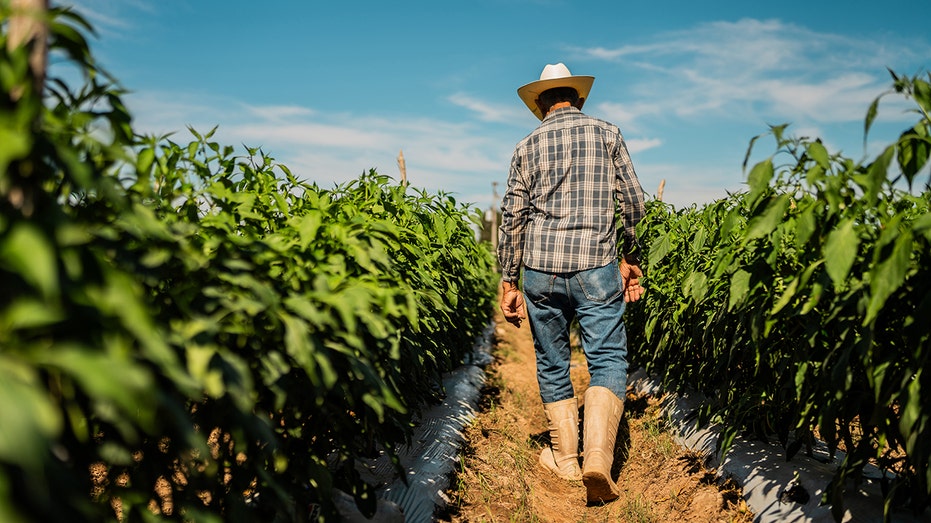
A widely used pesticide found across the American food supply has been linked to a significantly higher risk of Parkinson’s disease, according to new research from UCLA. The study, published in the journal Springer Nature Link, suggests that exposure to the chemical chlorpyrifos may trigger the onset of the debilitating neurological disorder.
The Scope of the Study
Researchers conducted an extensive 45-year investigation comparing 829 individuals diagnosed with Parkinson’s disease against a control group of 824 healthy individuals. The team focused specifically on the participants' geographic proximity to areas where chlorpyrifos is commonly applied. This chemical is frequently used on high-yield crops, including:
- Soybeans and row crops
- Fruit and nut trees
- Broccoli and cauliflower
The findings were stark: long-term exposure to chlorpyrifos was associated with more than a 2.5 times higher risk of developing Parkinson’s disease in humans.
Cross-Species Findings
To understand the biological mechanisms at play, the UCLA team utilized animal models, including mice and zebrafish. The results showed a rare level of consistency across different species:
- Mice: After 11 weeks of inhaling the pesticide, mice exhibited movement issues characteristic of Parkinson’s, a significant loss of dopamine-producing neurons, increased brain inflammation, and a buildup of toxic proteins.
- Zebrafish: The fish suffered cellular damage linked to the failure of the cell’s internal "cleanup system," a known factor in neurodegenerative decline.
Dr. Jeff Bronstein, director of the Movement Disorders Program at UCLA and professor of neurology, expressed surprise at the findings. "We rarely find such consistent results in different animal models," Bronstein noted, emphasizing that the association between the pesticide and the disease is "very strong."
How to Minimize Risk
While the study was observational—meaning it shows a correlation rather than proving direct causation—the researchers urge the public to take precautionary measures. Dr. Bronstein recommends the following steps to reduce exposure to chlorpyrifos and similar organophosphate pesticides:
- Eliminate home use: Avoid using products containing these chemicals in residential gardens or for indoor pest control.
- Choose organic: Opt for organic produce whenever possible to avoid pesticide residues.
- Wash thoroughly: Always wash fruits and vegetables rigorously before consumption.
Regulatory and Corporate Landscape
The legal status of chlorpyrifos has been a subject of intense debate. While the U.S. Environmental Protection Agency (EPA) initially banned its use on food crops in 2021, a federal appeals court overturned that decision in 2023. However, the EPA issued an update in early 2026 outlining a new plan to move forward with a rule that would ban most agricultural uses of the chemical.
The industry has already seen a shift away from the pesticide. Corteva, a major agrichemical firm, ended production of chlorpyrifos in 2020, and the German company BASF requested the cancellation of its registrations for products containing the chemical in 2022. The EPA is currently developing a revised human health risk assessment to determine if even stricter protections are required.