Key Takeaways
- People with Disabilities (PWDs) demand improved accessibility at polling units
- INEC urged to make electoral process more inclusive for PWDs
- PWDs seek greater recognition and opportunities in employment, education, and governance
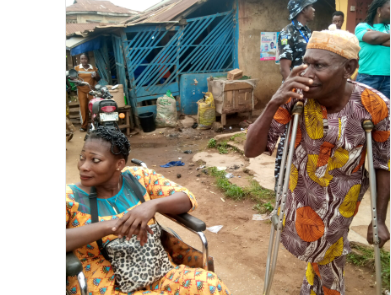
People with Disabilities (PWDs) have called on the Independent National Electoral Commission (INEC) to improve accessibility at polling units and make the electoral process more convenient and inclusive for persons with disabilities across the country. This appeal comes after a wheelchair user, Mrs Justina Obozokhai, exercised her franchise at Ilare III, Ward III, Unit 011, in Ife Central Local Government Area of Osun State during a recent governorship election.
Mrs Obozokhai emphasized the importance of civic participation and the role of elections in choosing leaders in a democratic society, highlighting that she came out to vote despite her condition. She urged relevant authorities and stakeholders to create more opportunities for persons with disabilities, particularly in employment and education, as they possess valuable skills, abilities, and willingness to contribute meaningfully to the development of their communities when given the necessary opportunities and support.
Barriers to Inclusion
Despite their potential, persons with disabilities often face significant barriers to inclusion in governance and other aspects of society. These barriers can include lack of accessibility in public spaces, insufficient education and employment opportunities, and social stigma. To address these challenges, it is essential to promote a culture of inclusion and provide the necessary support and resources to enable PWDs to participate fully in society.
Promoting Inclusive Governance
Promoting inclusive governance and recognizing the value of diversity are crucial for creating a more equitable society. By providing opportunities for persons with disabilities to participate in the electoral process and engage in governance, Nigeria can tap into the talents and skills of all its citizens, regardless of their abilities. This, in turn, can lead to more representative and responsive governance, as well as more effective and sustainable development.
Why This Matters
The call for improved accessibility and inclusion by PWDs is a reminder of the need for Nigeria to prioritize the rights and participation of all its citizens, regardless of their abilities. By addressing the barriers to inclusion and promoting a culture of diversity and inclusivity, Nigeria can create a more just and equitable society, where everyone has the opportunity to contribute and thrive.