Key Takeaways
- Nigeria and Brazil have agreed to collaborate on the scientific validation of African traditional medicine.
- A comprehensive implementation roadmap has been adopted to deepen cooperation in research, technology transfer, academic exchange, and public health innovation.
- The partnership aims to integrate evidence-based indigenous healthcare into formal health systems and support the establishment of a Human Milk Bank in Nigeria.
The Nigeria-Brazil collaboration on traditional medicine is a significant step towards recognizing the value of indigenous healthcare systems globally. The agreement was reached during the Brazil–Nigeria High-Level Bilateral Meeting on Traditional Medicine and Scientific Cooperation, which brought together representatives from both countries, researchers, and academic institutions.
The Nigerian delegation emphasized that African traditional medicine extends beyond the use of herbs and medicinal plants, embodying generations of ancestral wisdom, oral traditions, spirituality, and sacred knowledge. They stressed the importance of recognizing intangible cultural practices, such as prayers and incantations, as integral to healing.
Implementation Framework
The meeting adopted an implementation framework that provides for the formalization of agreements, the establishment of a joint working group, and the development of a Memorandum of Understanding covering traditional medicine research, medicinal plant development, technology transfer, postgraduate training, joint scientific publications, and institutional cooperation.
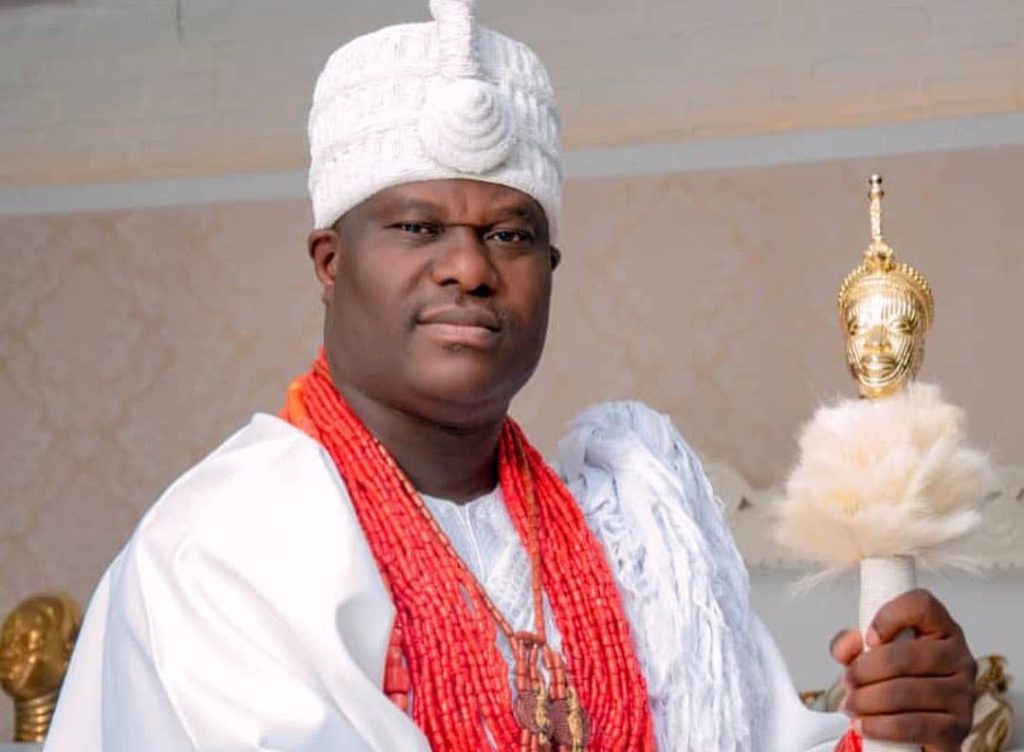
According to the Director of Media and Public Affairs at the Ooni’s Palace, Otunba Moses Olafare, the partnership should be anchored on indigenous wisdom, medicinal plants, and scientific research. The goal is to combine traditional knowledge with rigorous scientific research to validate, improve, and responsibly apply that knowledge for the benefit of humanity.
Why This Matters
This partnership is expected to strengthen Nigeria-Brazil relations and position African traditional medicine as a globally recognized contributor to modern healthcare through scientific collaboration. If fully implemented, the resolutions will support the preservation of indigenous knowledge systems and promote sustainable development.