Key Takeaways
- Kolade Victor Akinjo critiques Governor Lucky Aiyedatiwa's leadership within the APC.
- Concerns about party inclusiveness and decision-making processes have emerged among members.
- Reconciliation and unity within the party are deemed crucial for electoral success.
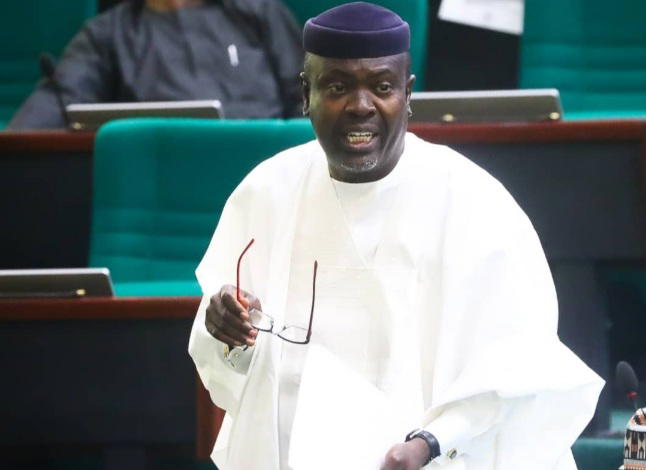
In a recent interview, Kolade Victor Akinjo, a prominent figure in the All Progressives Congress (APC) and former member of the House of Representatives, shed light on the ongoing crisis plaguing the APC in Ondo State. Representing Ilaje/Ese-Odo Constituency from 2015 to 2023, Akinjo expressed concerns regarding party unity under the leadership of Governor Lucky Aiyedatiwa.
Akinjo, who previously held significant roles under former President Olusegun Obasanjo, assessed the current political landscape, characterizing the national body of the APC as cohesive. Under the leadership of President Bola Tinubu, he praised the party's inclusiveness and organizational strength across Nigeria. However, he lamented that this positive dynamic is not reflected at the state level.
'Do we have that manifesting in the state under the governor? Absolutely no,' he stated emphatically. Akinjo criticized the governor's inability to represent various interests, blaming the current discontent on a lack of inclusivity and consultation with party members. He noted that many individuals feel sidelined, leading to widespread frustration within the ranks.
Akinjo emphasized the need for a reconciliatory approach, suggesting that the political situation could best be described as one of 'political entropy' fueled by the governor's ineffective leadership. 'What happened during the primaries is evident that not everyone is happy,' he added, pushing for urgent and genuine reconciliation efforts to address grievances and reinstate party morale.
He acknowledged that the party is charged with energy to support President Tinubu's agenda, yet warned that internal strife could hinder their collective goal of re-electing the president. The absence of a solid opposition allows for the potential of the APC’s internal conflicts to fester uncontested.
Akinjo's comments highlighted the importance of reinvigorating relationships among party members, particularly between the governor and Minister of Interior Olubunmi Tunji-Ojo. He urged leaders to revisit the cohesive strategies of the past that enabled their political success and reignite a spirit of collaboration.
He further expressed that the political system requires participation and involvement from all stakeholders, emphasizing that unilateral decision-making is detrimental. Issues such as patronage, respect within the party, and effective governance must be tackled to enhance member satisfaction.
Reconciliation is a critical process that, according to Akinjo, should extend beyond superficial gestures and address the fundamental reasons for discontent. He reflected on the broader implications of political loyalty and grassroots support, urging a focus on community welfare rather than prolonged internal disputes that drain resources.
Amidst economic hardships, there is hope for a more stable economy, thanks to President Tinubu's progressive reforms. Akinjo called for a concerted effort to translate federal allocations into substantial development projects in Ondo State, underscoring the critical need for improved infrastructural investment.
Why This Matters
The internal struggles within the APC in Ondo State have significant implications not only for the local party dynamics but also for the broader political landscape in Nigeria. A united and effective political party is essential for favorable electoral outcomes, particularly as the nation heads towards future elections.