Key Takeaways
- President Trump extended the US-Iran ceasefire indefinitely, keeping the blockade of the Strait of Hormuz in place.
- The decision came after a request from mediator Pakistan, allowing time for Iran's leadership to propose a plan.
- Oil prices dropped, and stock markets were mixed, with traders awaiting clearer developments on the peace talks.
- The fate of peace negotiations in Islamabad remains uncertain, with Iran citing unreasonable US demands.
- Analysts suggest the interim suspense may curb risk appetite, but a deal could rally markets.
A Delicate Balance
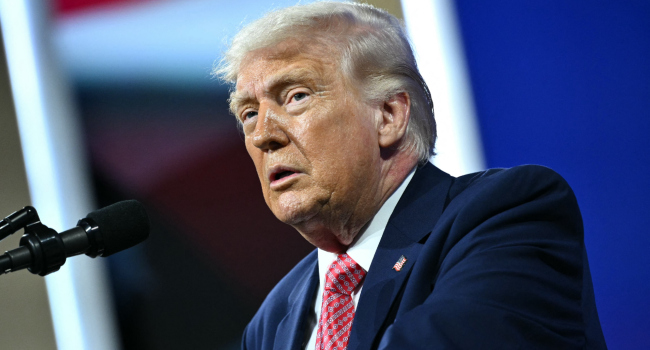
In a surprising move, President Trump announced an indefinite extension of the ceasefire with Iran, pushing back the deadline that was set to expire. This decision comes as a response to a request from Pakistan, which has been mediating between the two nations. Trump emphasized the need to give Iran's leadership time to formulate a proposal, a move that has left traders and investors in a state of anticipation.
The extension of the ceasefire, however, does not mean a complete easing of tensions. Trump has maintained the blockade of the Strait of Hormuz, a critical chokepoint for global oil transit. This major sticking point has left traders uncertain about the future of the peace talks, which were scheduled to take place in Islamabad.
A White House official confirmed that Vice President JD Vance's travel plans to Islamabad have been put on hold, pending the submission of an Iranian proposal. Tehran, on the other hand, has stated its unwillingness to attend the talks, citing unreasonable demands from the US. The semi-official Tasnim news agency further emphasized that there was no immediate prospect of Iranian officials traveling to Islamabad.
Christopher Wong, a strategist at Oversea-Chinese Banking Corp, suggested that both the US and Iran are engaged in a delicate game of leverage. He added, "Whatever the outcome, the suspense in the interim may see risk appetite being curtailed, but when either side blinks, risk proxies could rally."
Market Reactions
The markets reflected the uncertainty surrounding the peace talks. Both main oil contracts dropped, reversing some of the gains made the previous day. Equities were mixed, with some markets recovering from the previous day's losses, while others continued to decline.
Hong Kong, Sydney, Singapore, Manila, Mumbai, and Jakarta all saw declines, while Tokyo, Shanghai, Seoul, Taipei, and Wellington posted gains. London opened higher, despite data showing that UK inflation had jumped to 3.3% last month due to the surge in oil and gas prices caused by the Middle East conflict.
Paris and Frankfurt also advanced, indicating a cautious optimism among European markets. Traders have been struggling to find a clear direction this week, as the situation in the Strait of Hormuz remains fluid.
Fawad Razaqzada, an analyst at FOREX.com, wrote, "With markets surging amid optimism that the war is soon going to end and the Hormuz Strait to open, markets are now more cautious. If there's no deal, I would imagine that oil prices could climb back above $100, which would likely invite pressure on equities."
The Fed's Role
Amidst the geopolitical tensions, investors are also keeping a close eye on the confirmation hearing for Kevin Warsh, President Trump's pick to replace Federal Reserve boss Jerome Powell. Warsh has assured senators that he will maintain the independence of the central bank and will not be controlled by the president.
Trump, who has been critical of Powell's monetary policy, has made it clear that he expects the new Fed chair to lower borrowing costs aggressively. Warsh's commitment to independence has been a key focus of his confirmation hearing.
Why This Matters
The extension of the US-Iran ceasefire provides a temporary respite, but the continued blockade of the Strait of Hormuz highlights the fragility of the situation. The fate of the peace talks and the eventual resolution of the conflict will have significant implications for global oil prices and the world economy.