Key Takeaways
- The 'office air' trend highlights how dry, recycled environments and fluorescent lighting can negatively impact skin and hair.
- Dermatologists confirm that low humidity in offices leads to transepidermal water loss, causing dryness, fine lines, and compensatory oiliness.
- Career experts suggest that these physical stressors can diminish employee confidence, morale, and overall productivity.
- Simple adjustments, such as better ventilation and regular breaks, may help mitigate these environmental effects.
The Hidden Toll of the Modern Office Environment
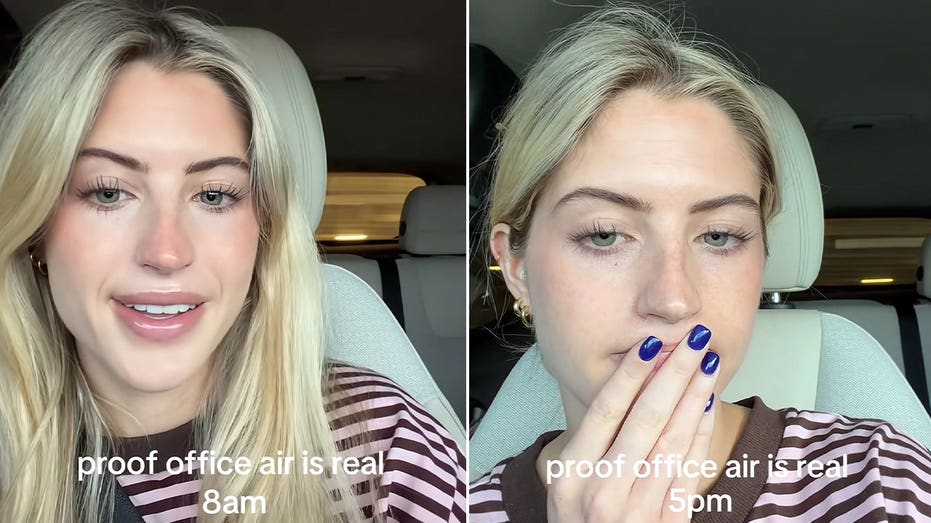
A new social media phenomenon known as 'office air' has taken TikTok by storm, with thousands of users sharing their 'before-and-after' transformations from the start to the end of their workday. Creators, such as Zoe Keels, have documented the visible decline in their skin and hair quality after spending eight hours in a corporate setting. The consensus among these users is clear: the combination of artificial lighting, climate-controlled air, and prolonged screen time is physically draining.
What Science Says About Your Workspace
While 'office air' is a social media term rather than a formal medical diagnosis, dermatologists confirm that the environmental factors present in many office buildings are indeed detrimental to skin health. Dr. Sandra Oska, a Los Angeles-based dermatologist, explains that HVAC systems are designed to lower ambient humidity, which triggers transepidermal water loss. When the skin loses its moisture barrier, fine lines become more pronounced, and makeup often settles into dry patches. Furthermore, the skin may attempt to compensate for this dehydration by overproducing sebum, leading to an unwanted oily T-zone by the late afternoon.
The impact is not limited to the skin. Hair also suffers in low-humidity environments, often becoming frizzy or losing volume as the scalp works overtime to produce oils. Additionally, poor air quality—including dust particles and irritants—can lead to eye rubbing, which contributes to puffiness and dark circles that make employees look and feel exhausted by the time they clock out.
Beyond Aesthetics: The Impact on Productivity
Career experts are now looking at the 'office air' trend through the lens of workplace wellness. Amanda Augustine, a career expert at resume.io, notes that feeling 'less fresh' can significantly impact an employee's confidence and engagement. When workers feel physically uncomfortable, their morale and productivity often suffer. Augustine emphasizes that while the trend may appear lighthearted, it serves as a wake-up call for employers to prioritize better ventilation, natural lighting, and more comfortable office conditions to foster a healthier workforce.
Mitigating the Effects of Office Air
To combat these effects, experts recommend maintaining a consistent skincare routine that focuses on deep hydration and using products that protect the skin barrier. Taking frequent breaks to step outside for fresh air or simply moving away from the screen can also help reset the body. While the office environment is often beyond an individual's control, awareness of these factors is the first step toward maintaining a professional appearance and personal well-being throughout the work week.
Why This Matters
The 'office air' trend underscores the critical link between physical workspace conditions and employee well-being, suggesting that environmental comfort is a key component of a productive and sustainable work culture.